
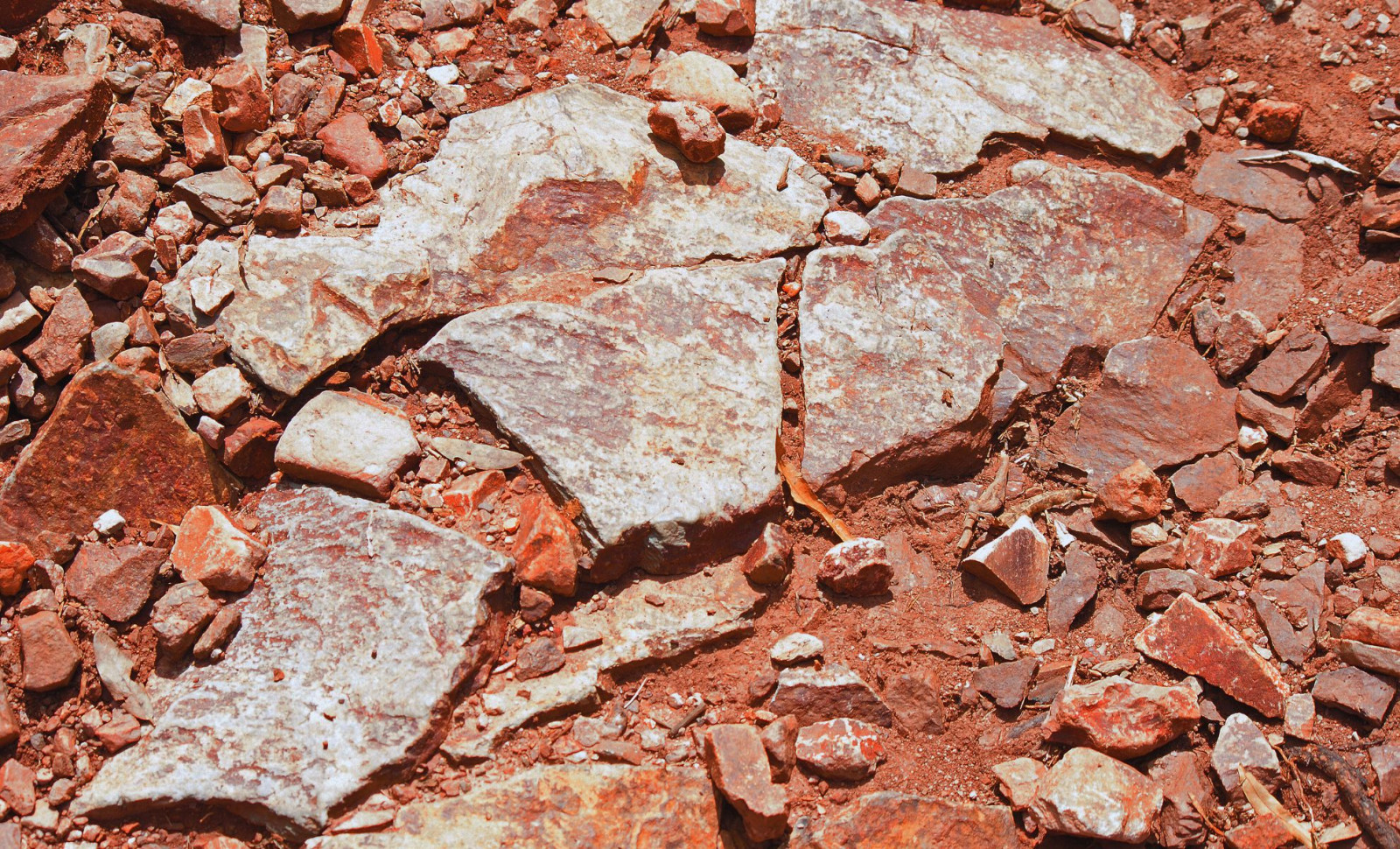
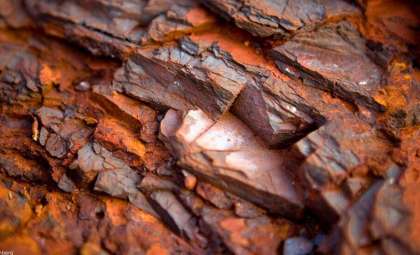
In rural New South Wales, a surprising fossil site has come to light beneath seemingly unremarkable farmland. Hidden inside dense layers of iron-enriched red rock that had long escaped attention, scientists made a discovery that challenges existing assumptions.
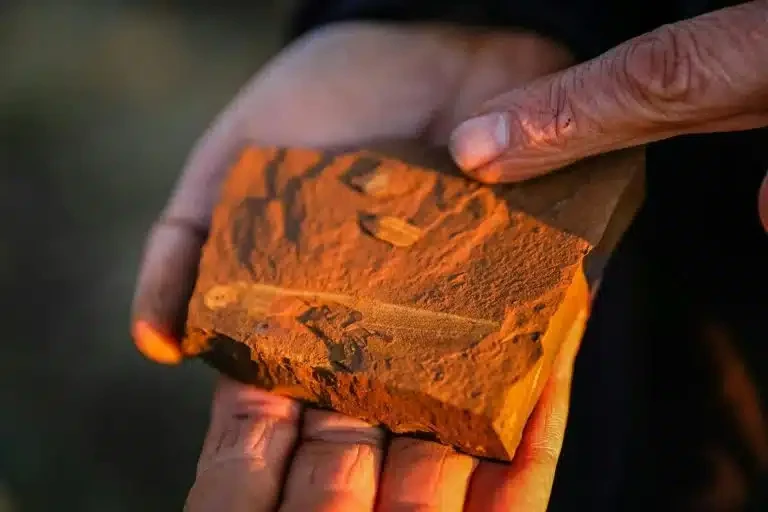
When these unassuming rocks were split open, they revealed fossils with extraordinary preservation: soft tissue structures, internal organs, and even cellular formations. These fossils were found in a rock type previously believed incapable of such delicate conservation.
An Ancient Rainforest Encased in Iron
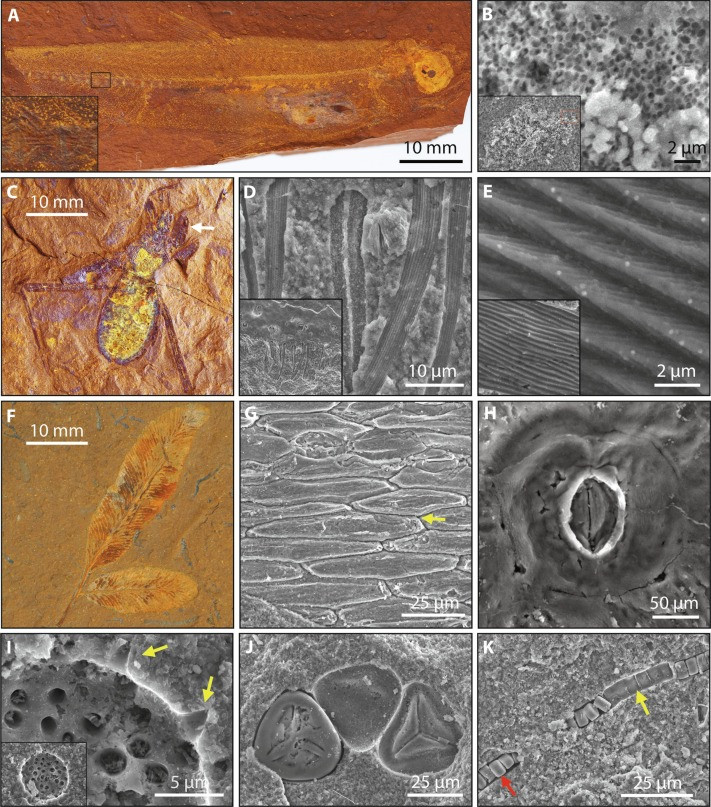
The fossils at McGraths Flat display remarkable detail. Rather than just skeletons or shells, researchers observed spider hairs, insect eyes, internal organs, and pigment cells. A recent paper in Gondwana Research explains that this preservation owes much to ultrafine ferricrete particles, measuring only 0.005 millimeters in size. These particles infiltrated the tissues, allowing even nerve cells to remain visible in stunning detail, as noted in earlier research.

Matthew McCurry, Tara Djokic, and Patrick Smith from the Australian Museum Research Institute spearheaded the investigation, highlighting that this level of terrestrial fossil preservation is uncommon compared to marine fossils.
Rethinking Fossilization in Iron-Rich Settings
Historically, iron-rich environments were deemed unsuitable for fossil preservation. These settings, often tied to ancient banded iron formations that originated in Earth's low-oxygen oceans over 2.5 billion years ago, were thought to break down organic material due to iron’s oxidative effects over more recent periods.
The findings at McGraths Flat reveal a contrasting narrative. According to the Australian Museum team, this site was formed within a warm, humid rainforest ecosystem. Their report noted:
“Acidic groundwater carried the dissolved iron underground until it reached a river system with an oxbow lake. There, the iron precipitated in the water column as ultra fine iron-oxyhydroxide sediment, rapidly coating dead organisms on the lake floor and replicating their soft tissue down to the cellular level, all in iron,” explained the statement.
This evidence suggests that iron can act as an exceptional fossilizing agent under specific environmental conditions, an insight that broadens the scope of where such fossils might be found.
Uncovering Future Fossil Locations
The study’s authors propose that understanding the formation of this site could guide paleontologists to other promising fossil-rich areas worldwide. Searching for basalt-dominated soils, ancient riverbeds, and regions with low sulfur content might reveal more fossils preserved in ferricrete.
Indicators such as thin ferricrete layers in former volcanic and moisture-rich landscapes may transform future fossil exploration strategies, especially in zones with a history of iron-rich red rock deposits often disregarded by scientists.
- Categories:
- Science





0 comments
Sign in to Comment