
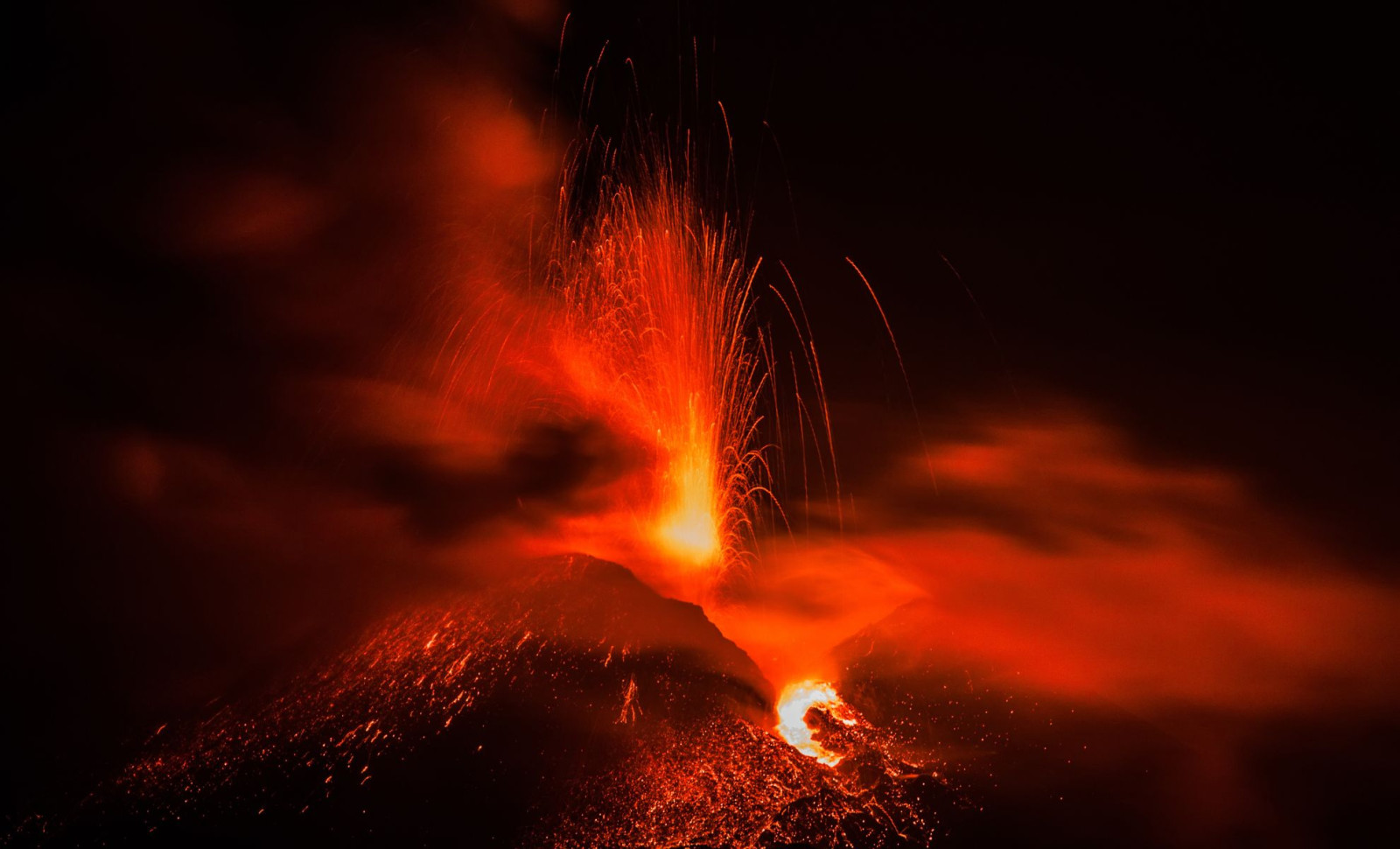
A recent investigation into two of Mount Etna's most intense eruptions has revealed that the volcano's internal pathways can alter substantially over time, indicating that one volcano can produce eruptions through completely different processes.
While volcanoes might seem consistent externally, the subterranean flow of magma is far more intricate. Molten rock journeys through a shifting network of chambers and channels beneath the surface, which can vary between eruptions, complicating predictions of volcanic activity.
To explore changes within these hidden structures, scientists analyzed two significant eruptions from Mount Etna, Italy, separated by almost 4,000 years. Their study, featured in Geochemistry, Geophysics, Geosystems, found notable variations in how magma ascended during each eruption.

Microscopic Gas Bubbles Uncover Underground Activity
The vigor of a volcanic eruption is influenced by multiple factors, such as the quantity of gas captured inside the rising magma. As magma ascends and pressure decreases, these gases expand, sometimes triggering explosive activity. Traditionally, water vapor was viewed as the key gas, but recent work has highlighted the significant role of carbon dioxide.
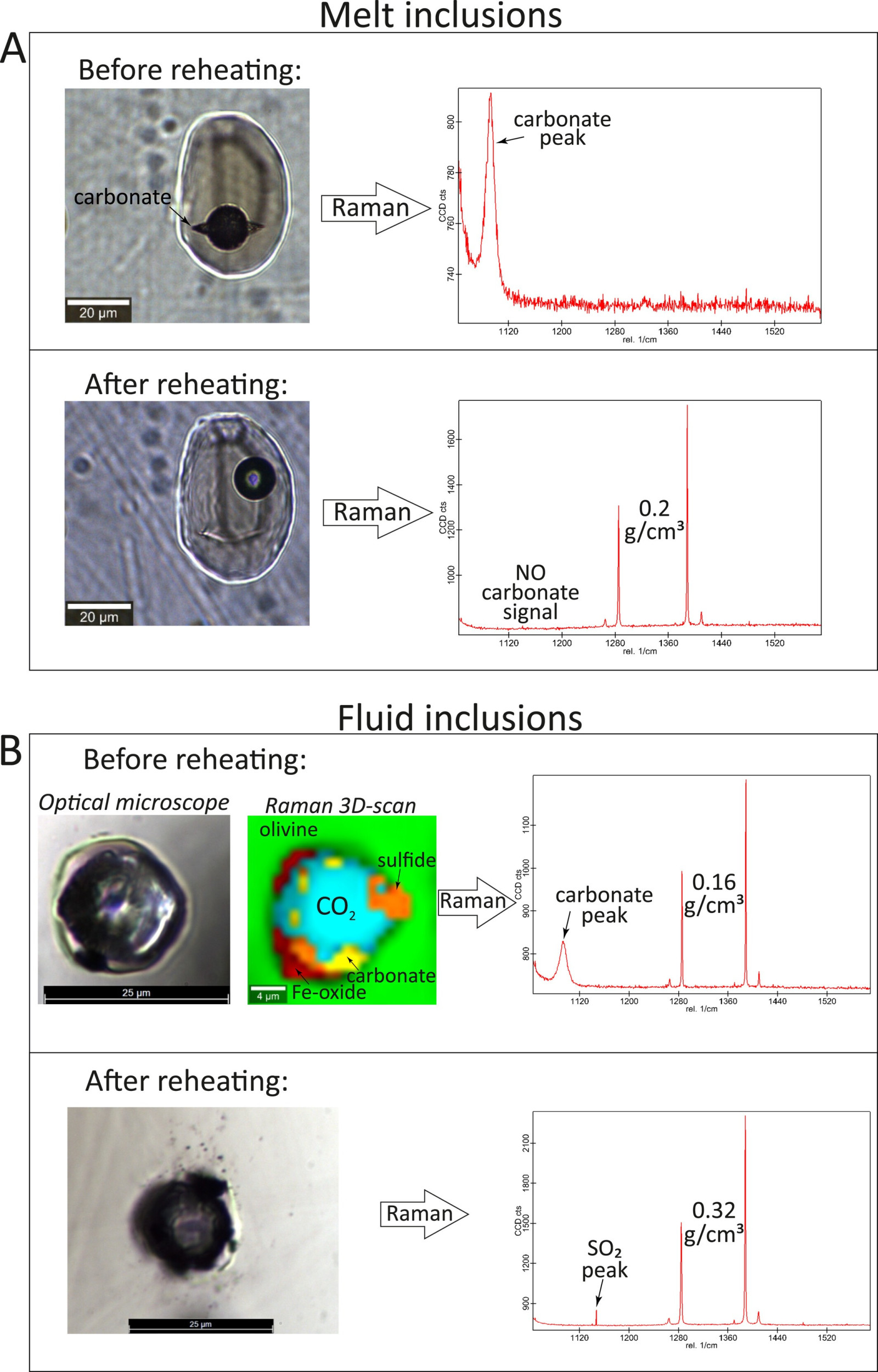
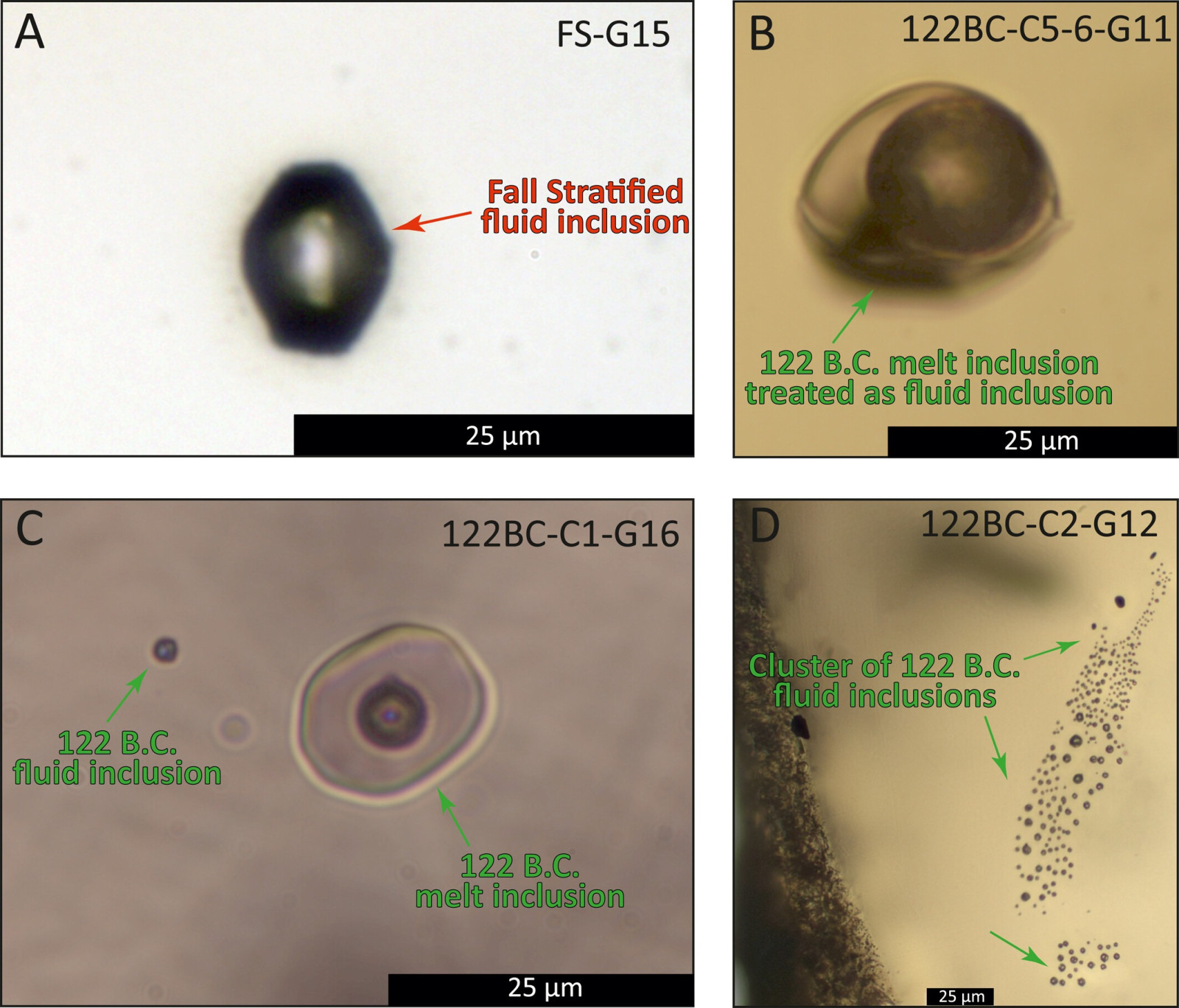
Using Raman spectroscopy, researchers examined tiny gas bubbles enclosed within crystals formed from the magma. As noted by Cornell University, these bubbles are extremely small, roughly 1 to 10% the width of a human hair, but contain vital clues about the pressure and depth at which they originated.
“The technique gives us the density of CO₂, and using a state equation we can transform that density into pressure, and pressure can be transformed into depth,” said first author Maxim Gavrilenko. “Then we apply those techniques to these explosive eruptions, and we are able to reconstruct the plumbing system with an unprecedented precision.”
Distinct Magma Paths Yield Different Eruption Styles
One of the eruptions analyzed occurred in 122 B.C., marking one of Mount Etna's most powerful historical events. Classified as a mafic Plinian eruption, it involved magnesium- and iron-rich magma resulting in a highly explosive blast.
Findings indicated that magma ascended from approximately 22 kilometers underground and then stalled between 2 and 5 kilometers depth. It lingered for several weeks, releasing gases gradually prior to eruption. In contrast, the Fall Stratified eruption, dated close to 4,000 years ago, followed a different pattern.
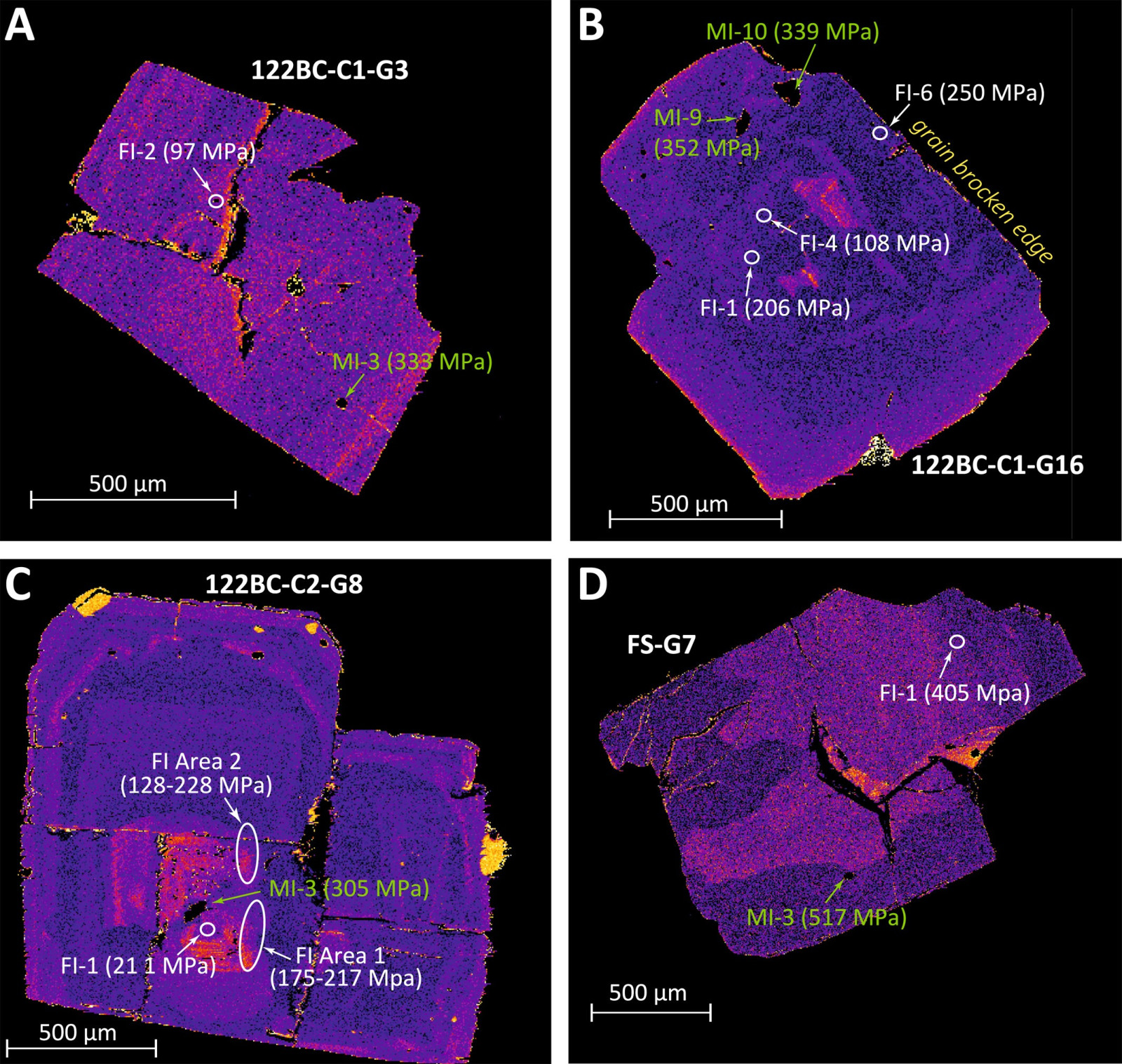
Rather than slowing near the surface, magma from the older event surged rapidly from depths of 24 to 30 kilometers, erupting within hours. That eruption was characterized by considerably more abundant carbon dioxide compared to the 122 B.C. event.
Competing Gases Shape Mount Etna's Unique Behavior
The study uncovered an uncommon aspect of Mount Etna. Unlike many volcanoes dominated by one primary gas, Etna's activity is influenced by both water and carbon dioxide. As noted in the recent publication, lead researcher Esteban Gazel observed that oceanic island volcanoes typically experience carbon dioxide-driven eruptions, whereas subduction zone volcanoes tend to be governed by water-rich magma. Mount Etna uniquely experiences competition between both gases.
“This shows that at a certain threshold of CO₂, the eruption will come from very deep and really fast, but when you have a higher threshold of water, then the process is controlled at shallow levels,” Gazel said.
The research team is now extending this approach to study volcanoes in Chile, Hawaii, and various other locations globally. According to Gazel, these insights aim to refine models that enhance volcanic hazard evaluations.
- Categories:
- Science








0 comments
Sign in to Comment