

Recent findings indicate that Neanderthals inhabiting northern Israel displayed unique food preparation practices despite occupying nearby locations. Although they utilized comparable tools and hunted similar game, populations at the Amud and Kebara caves exhibited notable differences in their meat processing techniques.
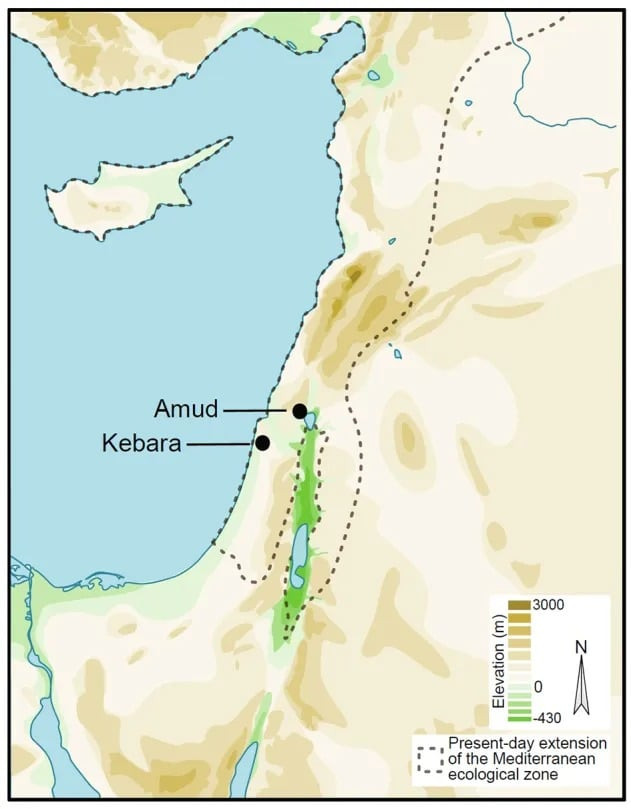
Situated merely 70 kilometers apart, the Amud and Kebara caves were home to Neanderthals between 70,000 and 50,000 years ago. A groundbreaking investigation from Hebrew University of Jerusalem reveals that these communities processed their hunted animals differently, reflecting distinct culinary customs.
Distinctive Meat Processing Approaches
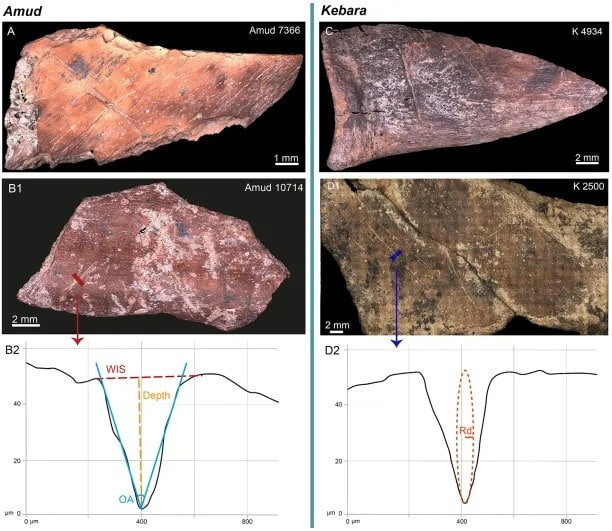
Both groups targeted similar prey, primarily gazelles and fallow deer, and wielded analogous tools. However, analysis of the remains showed significant differences: around 40% of the bones found at Amud were burned and shattered, likely due to cooking or post-cooking breakage. In stark contrast, only 9% of the bones from Kebara showed signs of burning and were less fragmented overall.

These contrasts in bone treatment unequivocally suggest that despite geographical proximity, these Neanderthal groups retained distinct butchery customs, possibly inherited across generations through social learning.
“Even though Neanderthals at these two sites shared similar living conditions and faced comparable challenges, they seem to have developed distinct butchery strategies, possibly passed down through social learning and cultural traditions,” said Anaëlle Jallon, a PhD candidate at the Hebrew University of Jerusalem.
Cultural Roots Behind Culinary Choices
The research, published in Frontiers in Environmental Archaeology, highlights how differing butchery marks indicate that each group followed its own culturally influenced methods for meat preparation. These traditions likely endured across generations within these communities.
“Future studies, including more experimental work and comparative analyses, will be crucial for addressing these uncertainties — and maybe one day reconstructing Neanderthals’ recipes.”
The observed variation in processing methods points to the conclusion that Neanderthals had not only practical approaches to sustenance but complex cultural preferences that shaped their culinary behaviors.
“If butchery techniques varied between sites or time periods, this would imply that factors such as cultural traditions, cooking preferences, or social organization influenced even subsistence-related activities such as butchering,” Jallon explained.
Insights Into Neanderthal Social Life from Their Food Habits
Findings suggest that Kebara Neanderthals transported larger game back to their cave for processing, indicating a more systematic approach to food preparation. Conversely, Amud Neanderthals likely butchered animals at the kill sites. The differences in bone condition imply varying social structures and cooperative behaviors between groups.
While further investigations are necessary to unravel these social layers fully, the research proposes a connection between food processing methods and the organization of Neanderthal societies.

- Categories:
- Science








0 comments
Sign in to Comment