
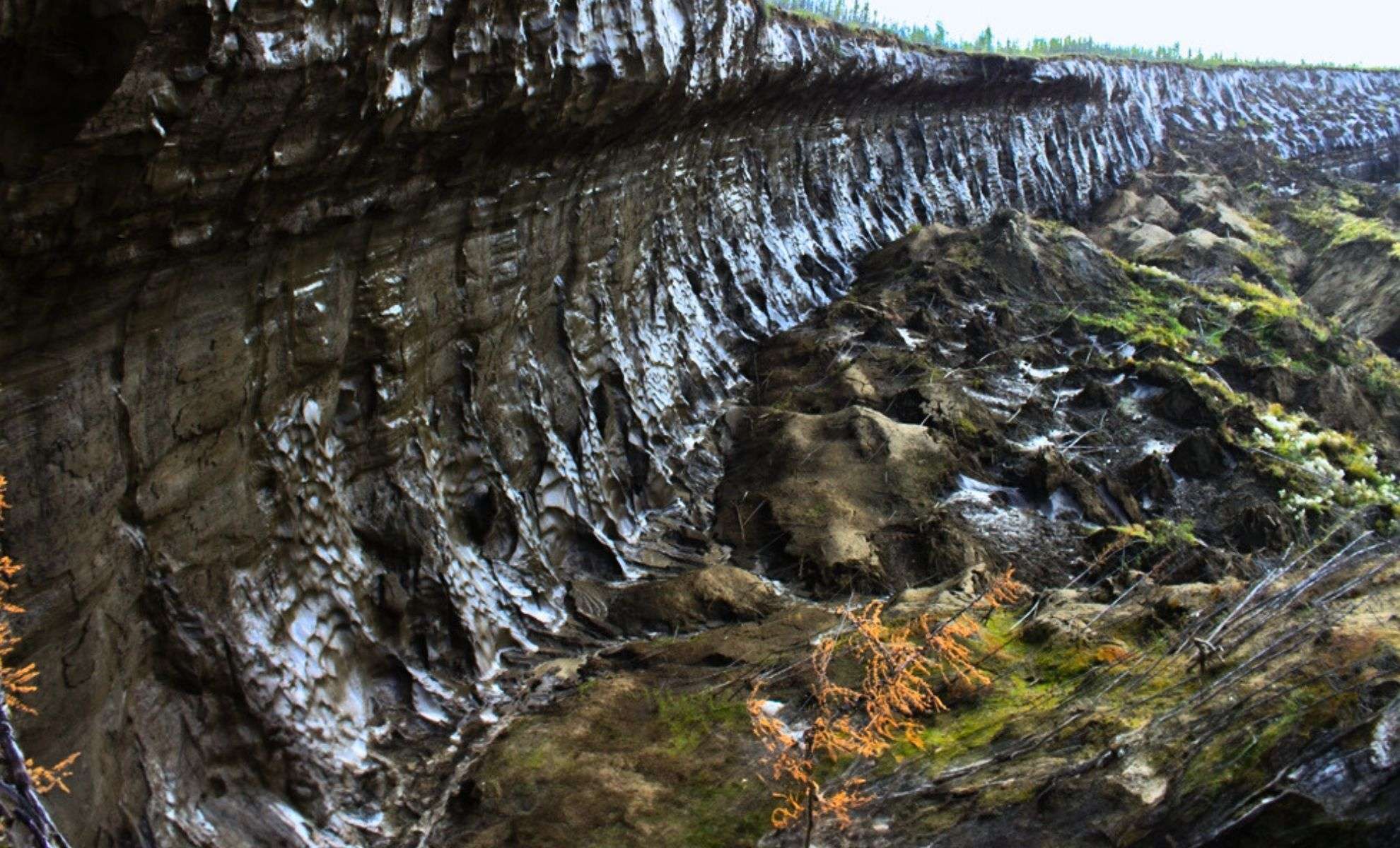
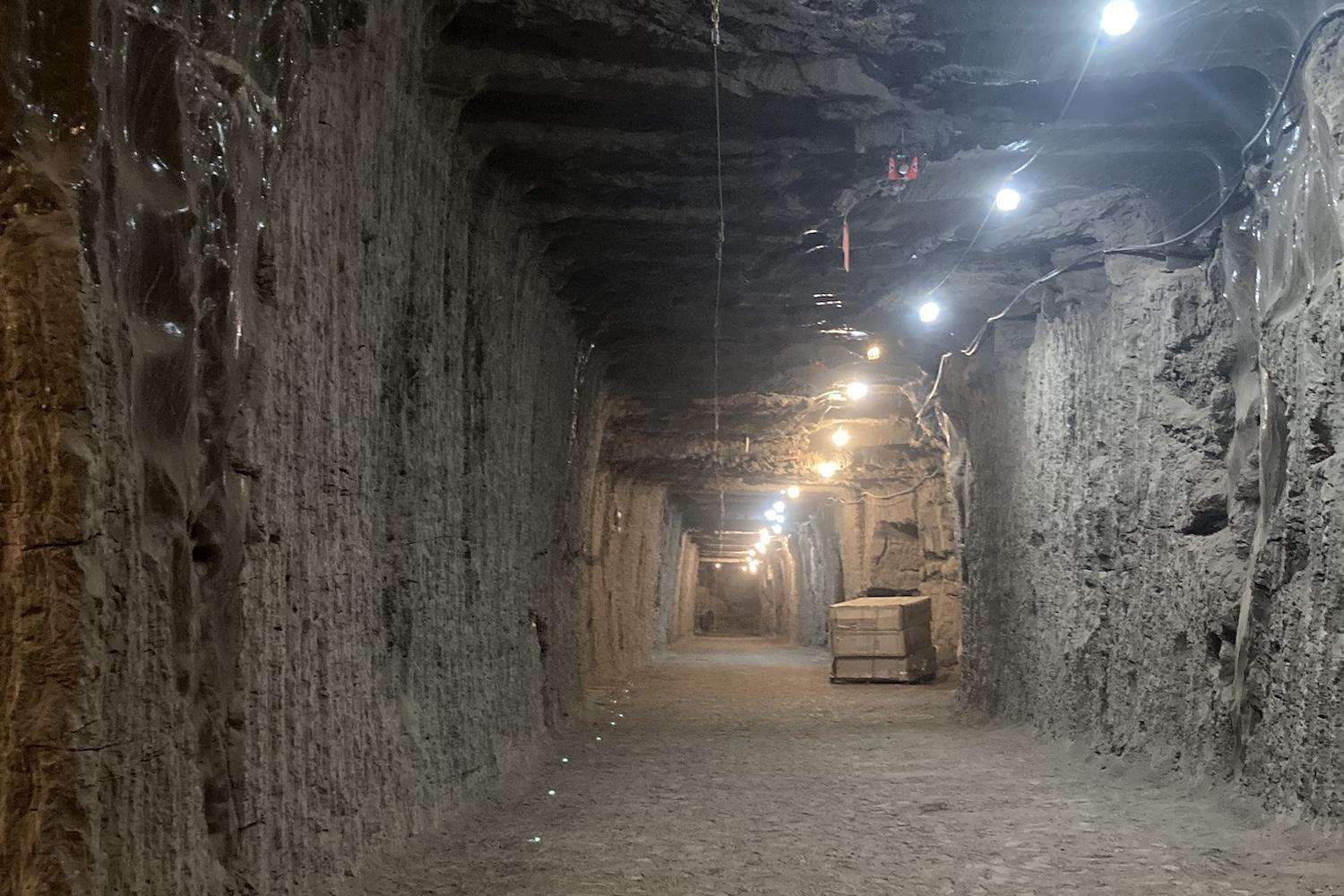
Beneath Alaska’s icy terrain, scientists recently revived microorganisms trapped for up to 40,000 years in a 350-foot tunnel burrowed through permafrost near Fairbanks. After nurturing these samples under laboratory conditions, they observed the ancient microbes reactivating and releasing significant amounts of greenhouse gases.
Though the experiment, led by researchers at the University of Colorado Boulder, was not intended to alarm, six months of data highlight urgent questions about the future of Arctic ecosystems amid climate change. These microbes are not harmful pathogens but play a critical role by breaking down carbon-rich organic material and emitting carbon dioxide (CO₂) and methane (CH₄), which could intensify global warming that initially thawed their frozen habitat.
“While there’s no immediate risk to human health,” explained Tristan Caro, lead author and postdoctoral scientist at Caltech, “this could represent a significant shift in how permafrost influences climate feedback loops.”

Frozen Grounds and a Heating World
Permafrost is ground that stays frozen continuously for at least two years. In Arctic regions, it extends hundreds of meters deep and has existed for thousands of years. It locks away a large store of organic carbon. The National Oceanic and Atmospheric Administration estimates around 1,500 billion tons of carbon are sequestered in Arctic permafrost—almost double the carbon present in today’s atmosphere.
This carbon is trapped in ancient biological debris—leaves, roots, and bones—that microbial decomposition never fully processed due to cold, oxygen-poor soils. But increasing Arctic temperatures allow summer warmth to penetrate deeper, prolonging thaw periods and disrupting decades-old freeze-thaw cycles.
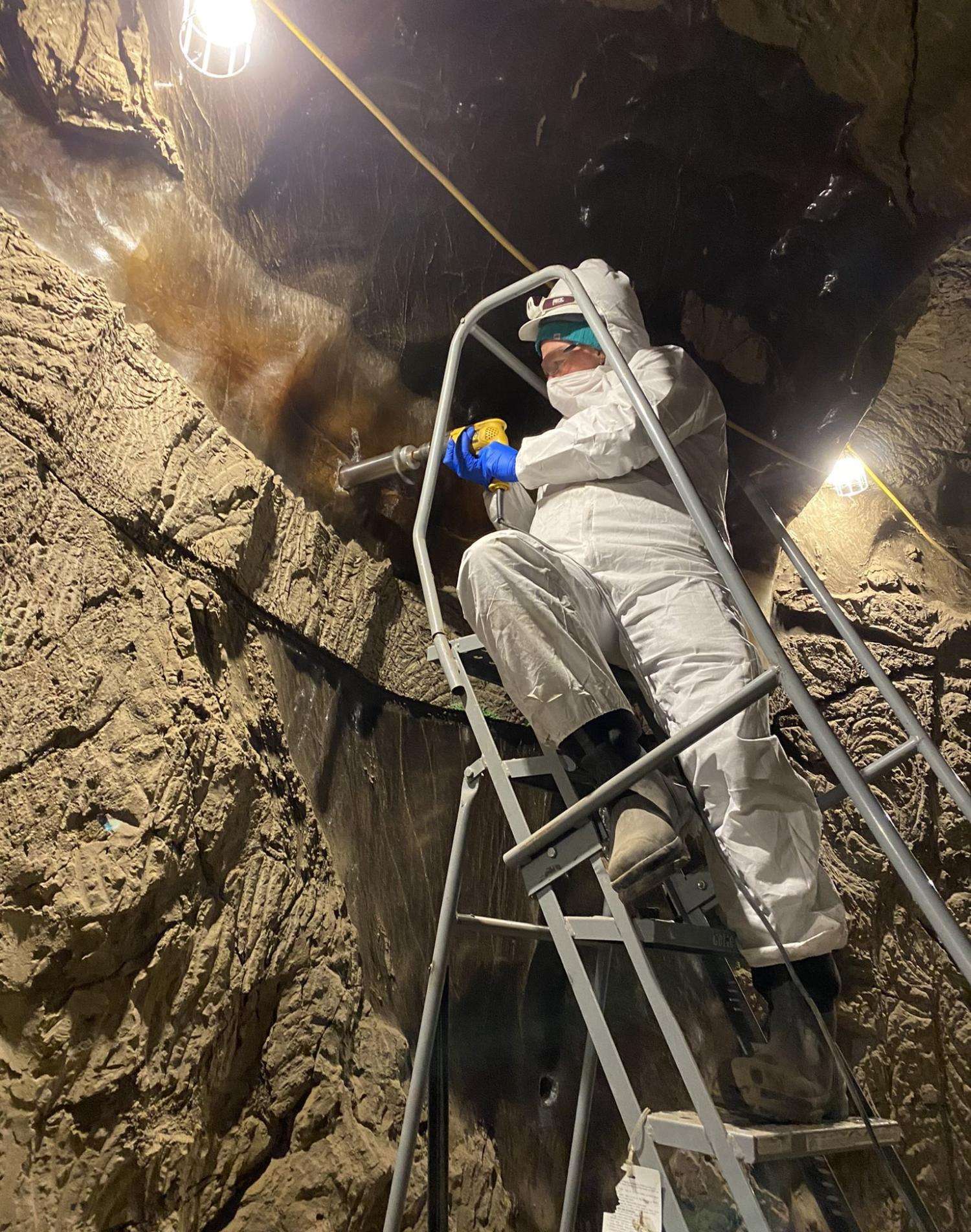
In their research published in the Journal of Geophysical Research: Biogeosciences, the team replicated thaw conditions in controlled settings. They extracted cores from the Permafrost Tunnel Research Facility, a site excavated in the 1960s by the U.S. Army Corps of Engineers, containing samples up to 40,000 years old.
After re-wetting and warming the samples to simulate expected future summer temperatures (3°C to 12°C), results showed little microbial activity within the first month, with less than 0.01% of cells dividing daily. However, after six months, the microbes’ behavior changed dramatically.
Ancient Life Reborn, Climate Risks Amplified
At six months, the microbial communities had increased metabolic activity and restructured themselves significantly. Researchers noted the formation of biofilms, signaling healthy bacterial colonies, accompanied by a rise in gas emissions. These microbes were uniquely adapted to survive long-term in darkness and oxygen-starved, extreme environments.
“These microbial populations differ fundamentally from those living on the surface,” said Sebastian Kopf, co-author and geology professor at CU Boulder. “They create distinctive glycolipids and have low genetic variability, shaped by millennia of isolation.”
Scientists worry because these microbes emit carbon gases that contribute to atmospheric warming. Methane, especially, is a powerful greenhouse gas, trapping over 80 times more heat than carbon dioxide within 20 years, according to the U.S. Environmental Protection Agency.
Escalating Climate Feedbacks and Thresholds
This situation exemplifies a positive feedback mechanism—warming thaws permafrost, microbial activity increases, releasing greenhouse gases, which then drive further warming and more melting. Such cycles can become difficult to halt once underway.
Findings indicate that prolonged warm summer seasons, rather than brief heat spikes, are crucial for awakening these microbes. Consistently elevated temperatures could enable full microbial revival, accelerating carbon cycling at unprecedented levels.
These results resonate with wider scientific observations: NASA’s Arctic Boreal Vulnerability Experiment reports that permafrost degradation is advancing faster than early-model forecasts suggested. Satellite monitoring and field studies reveal rapid expansion of thermokarst landscapes, where ice-rich soils collapse, releasing additional stored carbon.
A Single Location, Worldwide Implications
It’s important to recognize that this research centered on samples from Alaskan permafrost. This represents a fraction of the vast permafrost that spans parts of Siberia, Canada, Greenland, and the Arctic seabed. Ongoing work plans to examine other regions to determine if similar microbial revival occurs broadly.
Nevertheless, these discoveries reveal a permafrost system once thought inert is biologically active and dynamically influenced by global warming.
“We’re just beginning to understand these ancient ecosystems and their responses to ongoing Arctic thaw,” Caro added.
- Categories:
- Science






0 comments
Sign in to Comment