
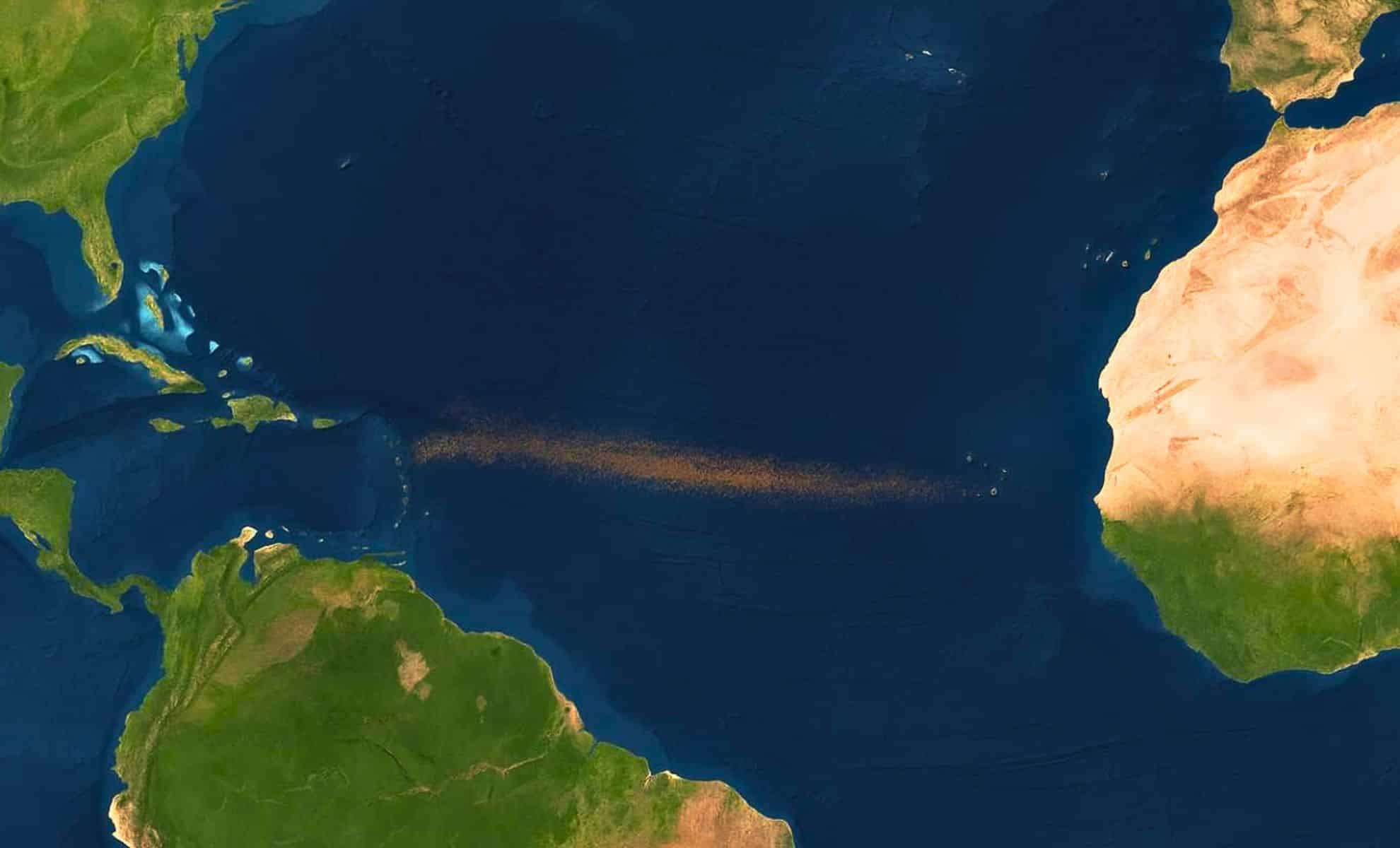
An immense expanse of brown floating seaweed extending over 8,800 kilometers across the Atlantic Ocean is raising concerns among researchers and coastal residents alike. Recent studies indicate this phenomenon is far from coincidental.
Known as the Great Atlantic Sargassum Belt, this belt has expanded significantly in the last ten years, blanketing shorelines from West Africa all the way to the Caribbean and Gulf of Mexico. Previously restricted to the nutrient-scarce Sargasso Sea, the brown seaweed species (Sargassum fluitans and S. natans) now flourish over a much wider tropical area. Satellite observations reported in Harmful Algae reveal this extensive growth peaked at an unprecedented 37.5 million tonnes in May 2025.
In a study published earlier this year in Communications Earth & Environment, researchers link this rapid expansion partly to a powerful climatic event that occurred in 2010. Led by oceanographer Julien Jouanno from the French institute IRD, the team found that an intense North Atlantic Oscillation (NAO) caused shifts in ocean currents, pushing the algae out of their usual habitat and exposing them to warmer, nutrient-rich waters where they have thrived ever since.

Beneficial Ecosystem to Environmental Challenge
Sargassum plays a vital role in ocean habitats. It creates floating environments that host more than 100 marine species, including young turtles, fish, and crabs. The National Oceanic and Atmospheric Administration (NOAA) even designates sargassum as essential habitat.
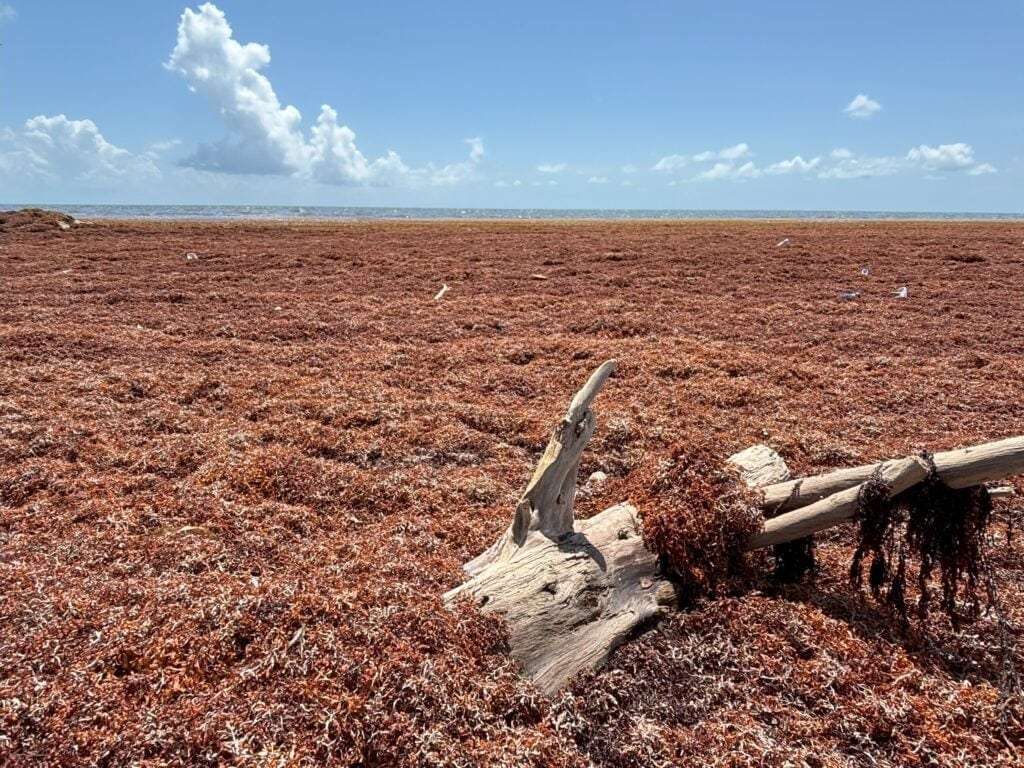
However, when this seaweed reaches land, its effects can be detrimental. Upon washing ashore, the decaying algae emit hydrogen sulfide gas, a hazardous substance known to cause respiratory issues. It also damages coral reefs, harms fisheries, and incurs costly cleanup efforts. Notably, in 1991, a surging sargassum bloom forced the shutdown of a nuclear power plant’s cooling system in Florida.
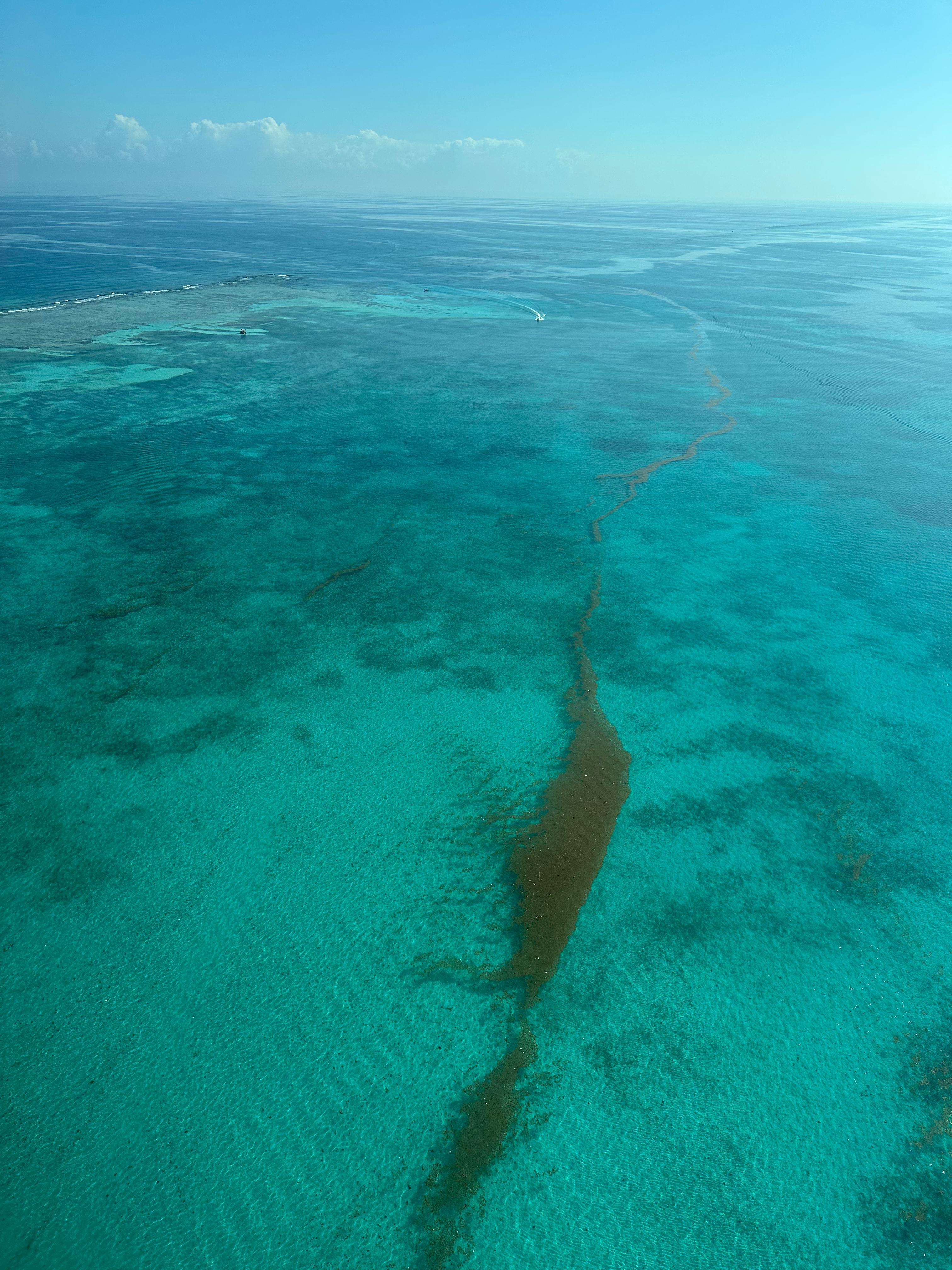
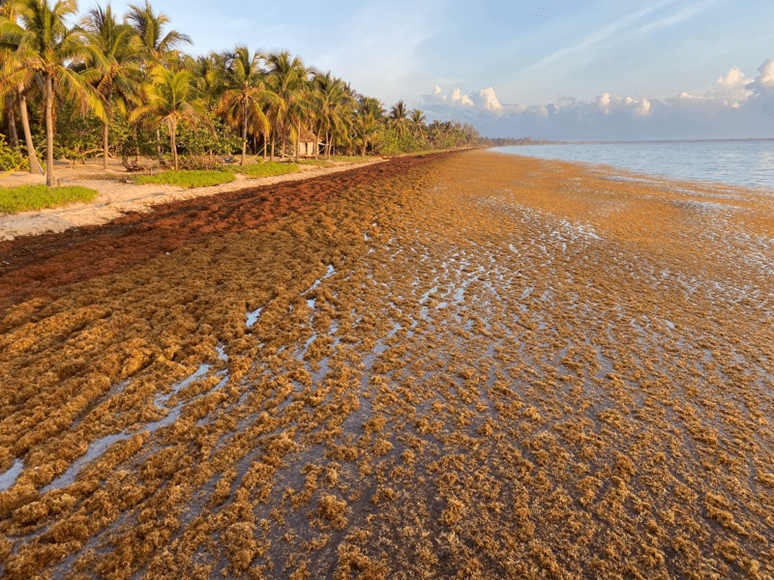
In 2025, the unprecedented scale of the belt caused major disturbances along the Gulf of Mexico, Barbados, Guadeloupe, and West African coasts. Beaches disappeared under thick layers of decomposing algae, deterring visitors and sparking health concerns. Additionally, methane emissions from the rotting seaweed have raised urgent questions about its impact on greenhouse gases, an area under close scientific watch.
Excess Nutrients Drive the Explosion
The surge in sargassum isn’t only the result of altered currents. Decades of increased nutrient pollution — especially nitrogen and phosphorus from farming runoff, wastewater, and airborne particles — have nourished parts of the Atlantic, creating perfect conditions for algal blooms.
Research tracking nutrient levels from 1980 to 2020 shows a 55% increase in nitrogen content within sargassum tissues. The Amazon River plays a critical part, with its seasonal floods delivering nutrient-heavy waters to the ocean. Currents like the North Equatorial Current then carry these nutrients westward, fertilizing algae across enormous distances.
A 2025 field study conducted by the Harbor Branch Oceanographic Institute demonstrated that sargassum biomass is capable of doubling in as little as 11 days under these nutrient-rich conditions, highlighting the role of human influence in this rapid growth.
Shifting Ocean Patterns with Worldwide Effects
The 2010 NAO anomaly—a significant atmospheric pressure fluctuation over the North Atlantic—served as a catalyst. Normally, cold temperatures and nutrient-poor environments in the Sargasso Sea restrict sargassum growth. However, the oscillation shifted surface currents southward, relocating the algae to tropical waters where sea temperatures remain between 26°C and 29°C year-round, optimal for their proliferation.
This relocation sparked a self-perpetuating growth cycle. “The tropical environment offers ideal sunlight, warmth, and abundant nutrients. Upon arrival, the algae population exploded,” explained Jouanno in an conversation with IRD.
While definitive links to climate change are still under investigation, many experts hypothesize that such extreme oscillations could increase in frequency as the planet warms, implying the Atlantic’s extensive brown algal outbreaks could represent only the start.
Urgent calls now emphasize the need for global tracking networks, advance warning systems, and stricter policies to control nutrient pollution. Scientists warn that eutrophication, once seen as a localized coastal issue, is progressively influencing oceanic ecosystems on a global scale.
Meanwhile, communities bordering the Atlantic prepare for recurring seasonal algal invasions. What was once a natural ocean phenomenon has transformed into a complex environmental challenge with few straightforward solutions.




0 comments
Sign in to Comment