
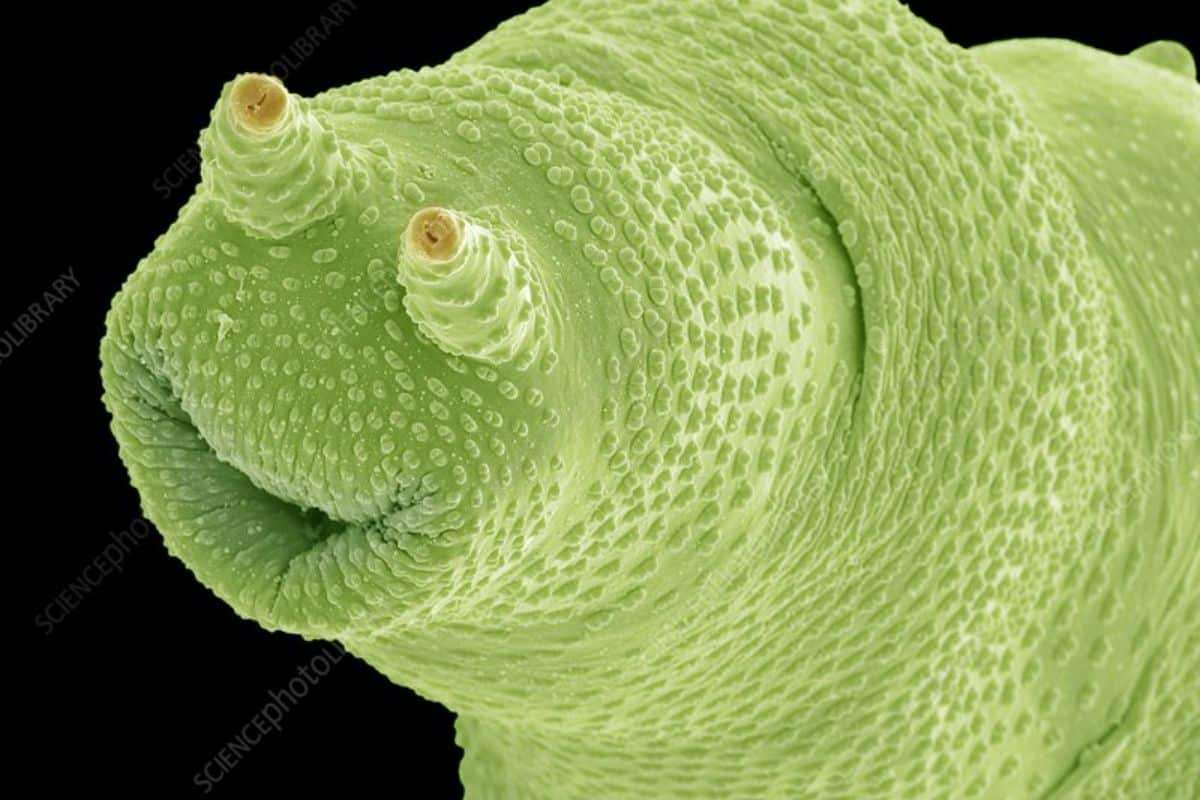
Researchers have achieved an extraordinary feat by bringing back to life microscopic creatures trapped in Siberian permafrost for an astonishing 24,000 years. These ancient bdelloid rotifers endured a suspended state called cryptobiosis, halting all metabolic processes until they encountered favorable conditions once more.
Upon thawing, these tiny animals not only reactivated normal biological functions but also began reproducing asexually, seemingly unaffected by the passage of millennia.
Understanding How Microbes Withstand 24,000 Years of Freezing
Bdelloid rotifers are a unique class of microscopic animals known for their remarkable resistance to harsh environments. They can survive extreme radiation, severe dehydration, and even the vacuum of outer space. Yet, their endurance of prolonged freezing remains especially intriguing.
Scientists attribute this capacity to cryptobiosis, a state in which these creatures suppress their metabolic activities entirely in response to extreme stress.

Unlike most life forms that suffer irreversible harm when frozen, bdelloid rotifers produce specialized chaperone proteins that shield their cellular structures from damage.
The research team collected permafrost samples from approximately 12 feet beneath the Siberian surface. Carbon dating confirmed that both the soil and its microscopic inhabitants had been suspended for 24,000 years, tracing back to the last glacial period.
Careful thawing of the rotifers under laboratory conditions triggered a surprising response: the creatures revived and immediately started reproducing.
Implications for Cryobiology and Space Travel
The remarkable freezing survival of bdelloid rotifers points to promising advances in cryobiology, offering new avenues for long-term preservation of organs intended for transplantation. Additionally, freezing and reanimating biological material could revolutionize future space expeditions by enabling safe transport of food, seeds, and microorganisms.
Beyond practical applications, this finding enriches the broader exploration of ancient life forms' revival, joining examples like moss, seeds, and nematodes preserved for tens of thousands of years.
Hidden Ancient Microbes in Thawing Permafrost: Opportunities and Risks
The success in reviving bdelloid rotifers raises important questions, especially as permafrost melts due to climate change. Scientists are increasingly concerned that unknown ancient pathogens—including bacteria and viruses—could emerge from thawing ice.
In 2016, the thawing of a 90-year-old reindeer carcass revealed dormant anthrax spores, sparking a deadly outbreak in Siberia. This event prompts fears that even older pathogens, potentially tens of thousands of years old, might still possess viability.
Could ancient viruses previously believed extinct also resurface under similar conditions?
Future Directions in Frozen Life Research
While research into cryptobiosis and freezing resilience remains nascent, its potential excites the scientific community. If tiny creatures can survive tens of millennia encased in ice, could humans one day enter safe suspended animation for extended space voyages? Might crops and pharmaceuticals be frozen and revived with ease?
At present, investigators continue to unlock the mysteries of bdelloid rotifers and other extremophiles, seeking insights into life's capacity to endure the harshest environments on Earth and, perhaps, beyond.
- Categories:
- Science










0 comments
Sign in to Comment