
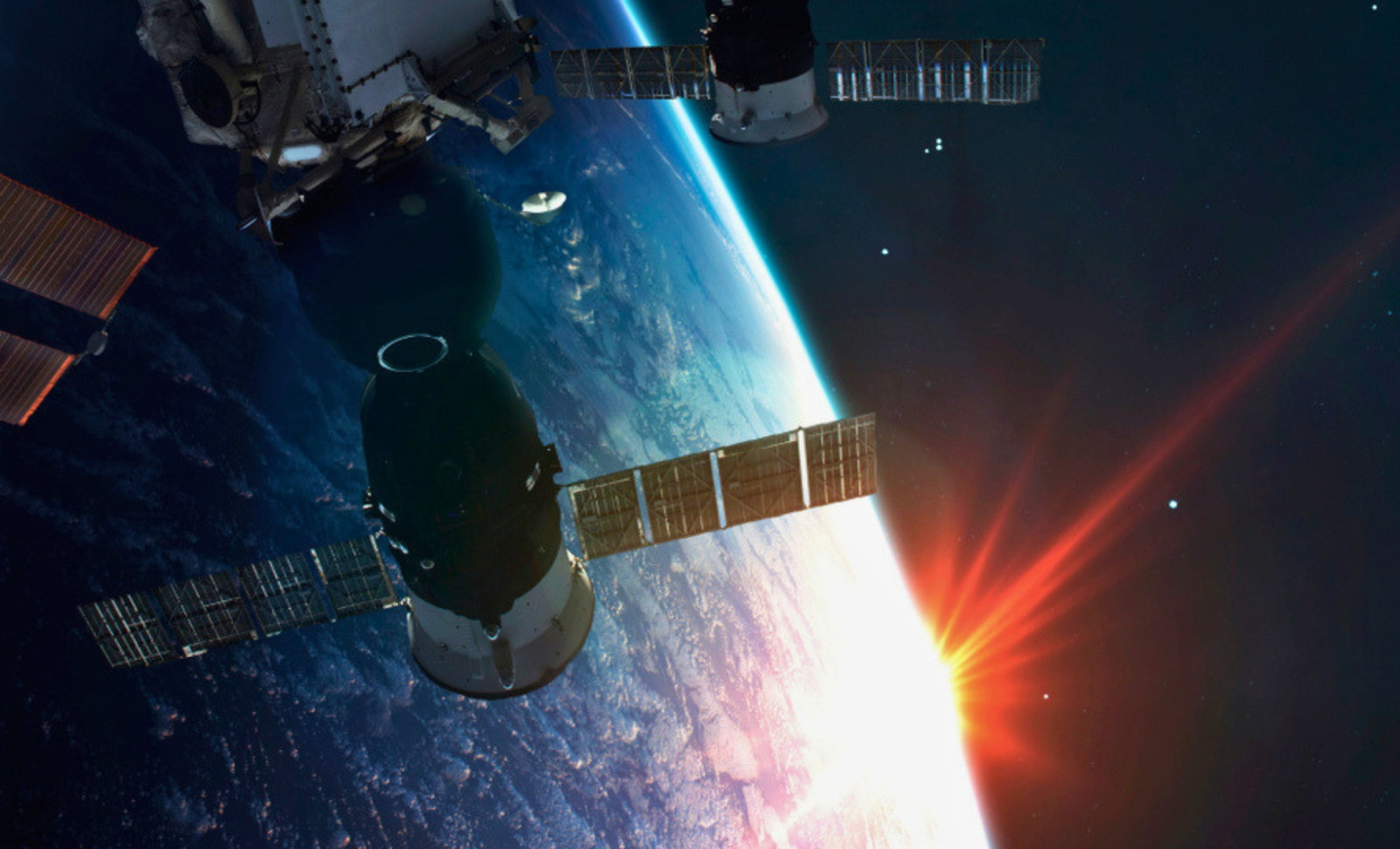
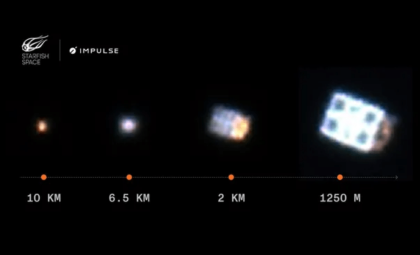
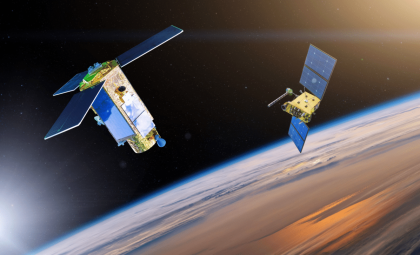
On April 28, two Russian defense satellites conducted an exceptionally close encounter in low Earth orbit, approaching each other within just 10 feet. Space analysts described this delicate ballet as a highly advanced maneuver with significant risks of collision. These satellites, known as COSMOS 2581 and COSMOS 2583, operated at an altitude near 585 kilometers.
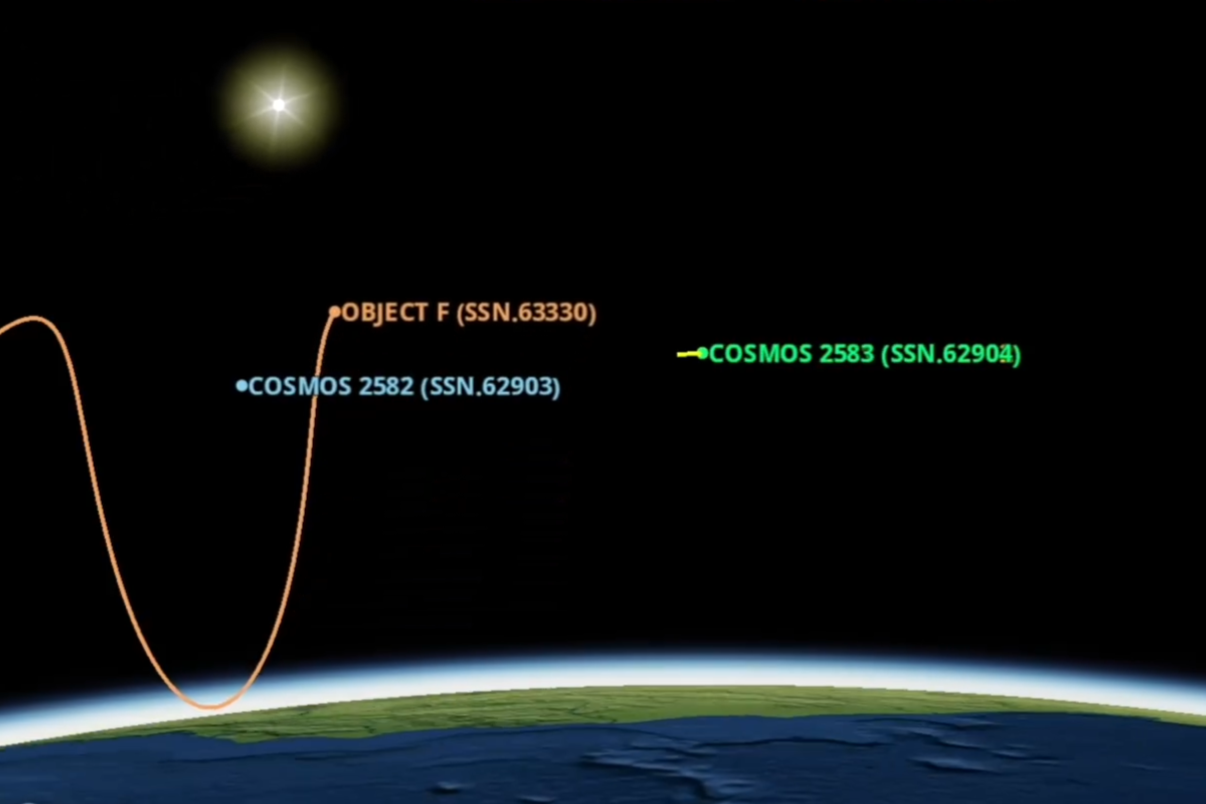
Data from COMSPOC, a space tracking specialist based in Pennsylvania, revealed that COSMOS 2583 fired thrusters multiple times to maintain the extremely tight formation. COMSPOC shared its findings and a radar animation of the event on May 1 via X, commenting, “Whatever Russia is testing, it’s sophisticated.” They noted the satellites achieved a minimum separation of about 3 meters with virtually no relative velocity.
Meanwhile, a third satellite, COSMOS 2582, trailed the pair by less than 100 kilometers, reports Space.com. Additionally, a smaller object dubbed Object F, previously released by COSMOS 2583, drifted by COSMOS 2582 and COSMOS 2581 at distances of 15 and 10 kilometers respectively, without independently adjusting its position. Notably, none of these satellites were equipped with docking mechanisms.

A Demonstrated Series of Inspection Operations
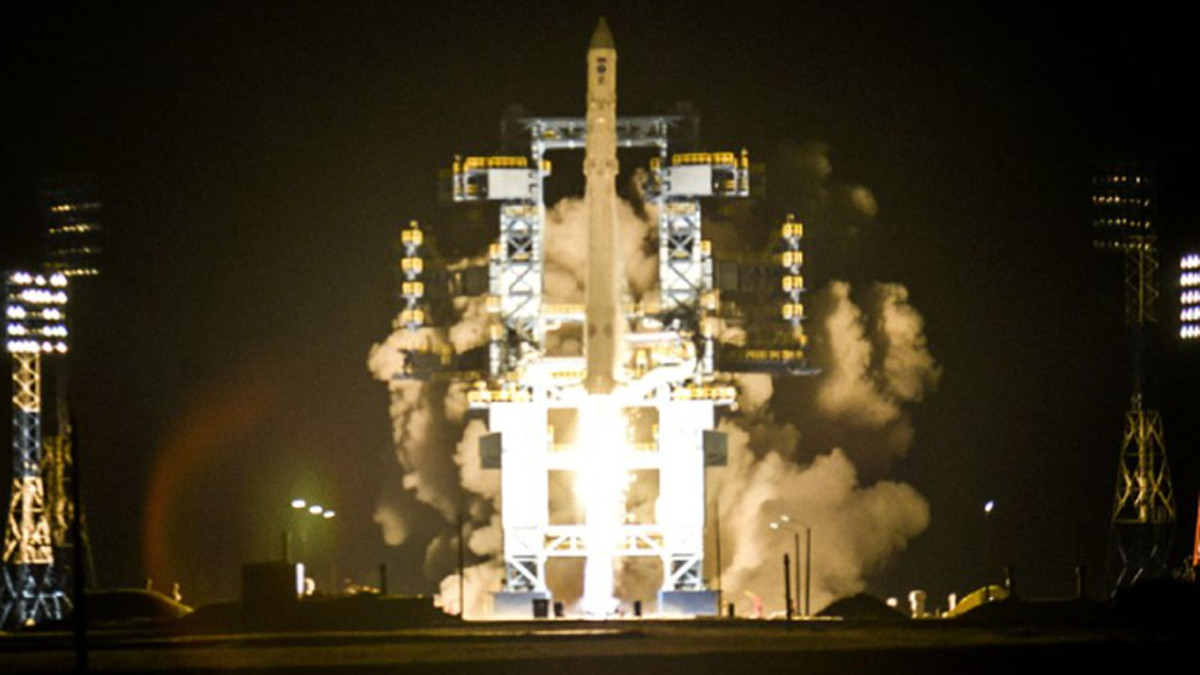
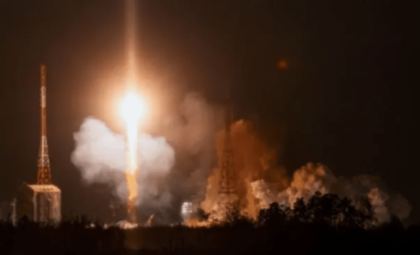
The three COSMOS satellites were launched together on a Soyuz rocket in February 2025. Roscosmos, Russia’s space authority, has remained silent on their mission objectives, but their orbital behavior fits a familiar pattern of inspection satellite activity closely monitored by Western intelligence. COMSPOC’s records show coordinated rendezvous and close approaches by these satellites since late 2025, indicating an ongoing program rather than a single experiment.
Russia isn’t new to unannounced satellite proximity maneuvers. For example, in 2020, COSMOS 2542 closely approached a U.S. reconnaissance satellite, an incident U.S. Space Command judged to be consistent with inspection satellite activities. China and the United States have also shown possession of similar technology capable of performing close monitoring of foreign assets in orbit.
What differentiates the recent April 28 event is the coordination of four objects, where COSMOS 2583 actively controlled its position while the others coasted passively. The configuration hints neither at a docking trial nor simple formation flying. Instead, it appears to test the limits of maintaining precise satellite shadowing without impact.
Precision Maneuvers Pose Serious Risks
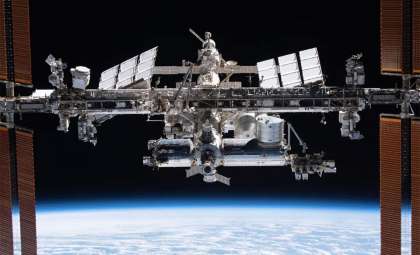
Close-proximity orbital maneuvers are routine around space stations, where vehicles approach cooperatively with transparent guidance and communication. The COSMOS satellites, however, operated independently and silently, with no shared positioning data broadcast. Observers had to rely on radar signals to piece together what transpired.
Dean Sladen, an aeronautics engineer with Accu Components, explained to The Independent that satellites in low Earth orbit travel approximately 28,000 kilometers per hour. Their onboard computers perform thousands of trajectory adjustments each second through autonomous controls within tight timeframes. Sladen lauded the remarkable engineering precision when these systems function flawlessly.
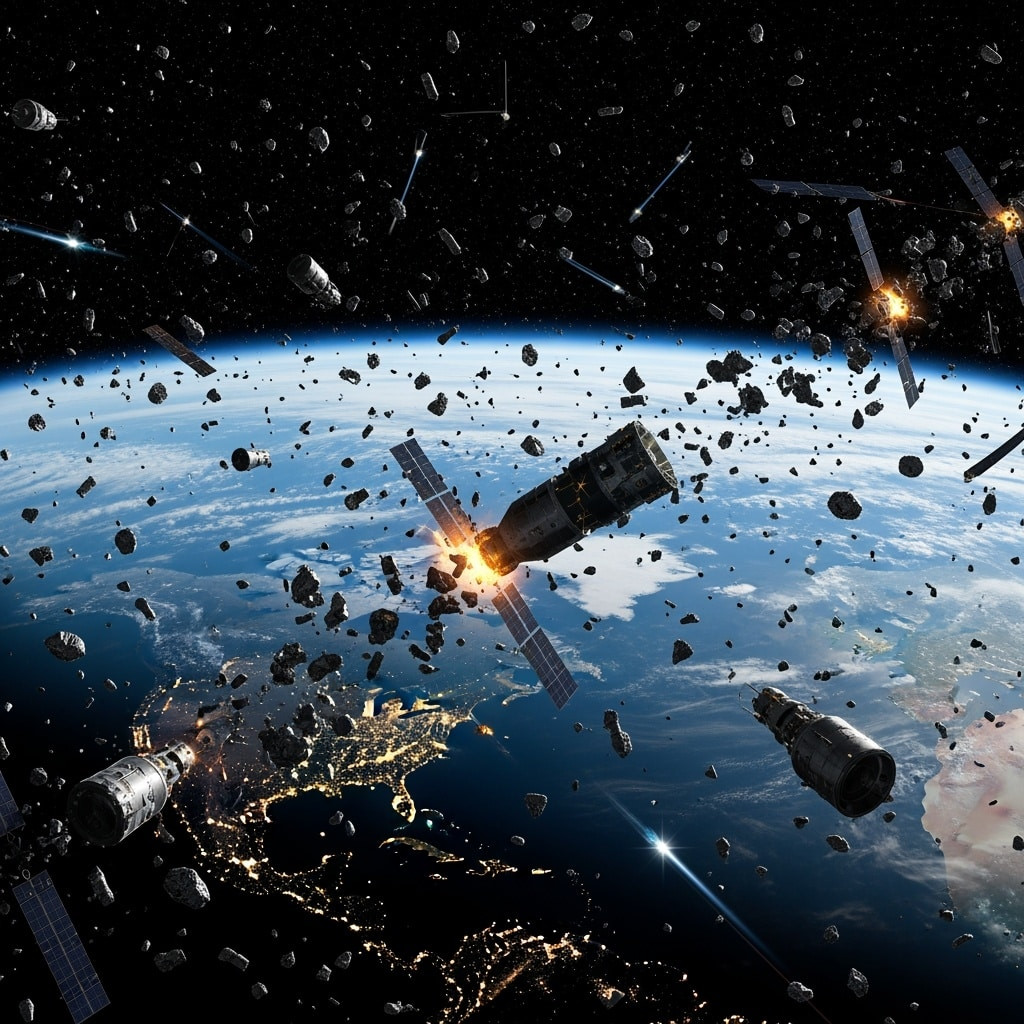
However, Sladen emphasized that even a single computational mistake at these velocities can spell disaster. “If the control loop fails, a minor error can fragment two intact satellites into thousands of high-speed debris pieces capable of destroying other space assets,” he said. What starts as a routine reconnaissance can quickly transform into a hazardous debris cloud threatening satellites, space stations, and crewed missions.
The Lingering Threat of Collision-Generated Debris
The danger presented by orbital debris is very real. A recent review from Cosmo Herald cited research by Accu Components revealing that nearly half of all tracked orbiting objects are space junk. The U.S. Space Surveillance Network lists over 33,000 such objects, with 12,550 of them being uncontrolled fragments drifting without propulsion or purpose. These leftovers can remain aloft for years or even decades, shaped only by gravitational forces and atmospheric resistance.
A catastrophic breakup at an orbit altitude of 585 kilometers would exacerbate congestion in a region densely populated by operational satellites. This threat is known as Kessler Syndrome, named after NASA scientist Donald Kessler who warned in 1978 that debris clouds could cascade into a chain reaction, rendering swaths of orbit unusable. While each close call in orbit represents a success in risk avoidance, a single collision can cripple orbital environments beyond current means of cleanup.
Almost all tracked debris—about 96 percent—originates from three main sources: China, the Commonwealth of Independent States (CIS), and the United States, according to the Accu Components report. China's debris count surged after a 2007 anti-satellite weapons test, while the CIS tally reflects years of launches and retired satellites. The U.S. debris record includes fragments from a 2009 collision between a defunct Russian Kosmos satellite and an active Iridium communications satellite.
Implications for Orbital Safety
COMSPOC continues its surveillance of the COSMOS satellites and associated objects. Although the satellites narrowly avoided collision, no official complaints have surfaced from any government to date. Yet maintaining a mere 3-meter distance while orbiting at nearly 8 kilometers per second is a razor-thin safety margin. This incident highlights the operator’s precision skill and willingness to accept significant risk.
This event occurs amid intensifying calls for international transparency regarding satellite maneuvers close to foreign spacecraft. Currently, no binding agreements require such disclosures, and distinguishing a reconnaissance move from a potential threat based solely on observation remains challenging. Radar technology can measure proximity but cannot determine intent, leaving trust between spacefaring nations tenuous.
- Categories:
- Space


0 comments
Sign in to Comment