
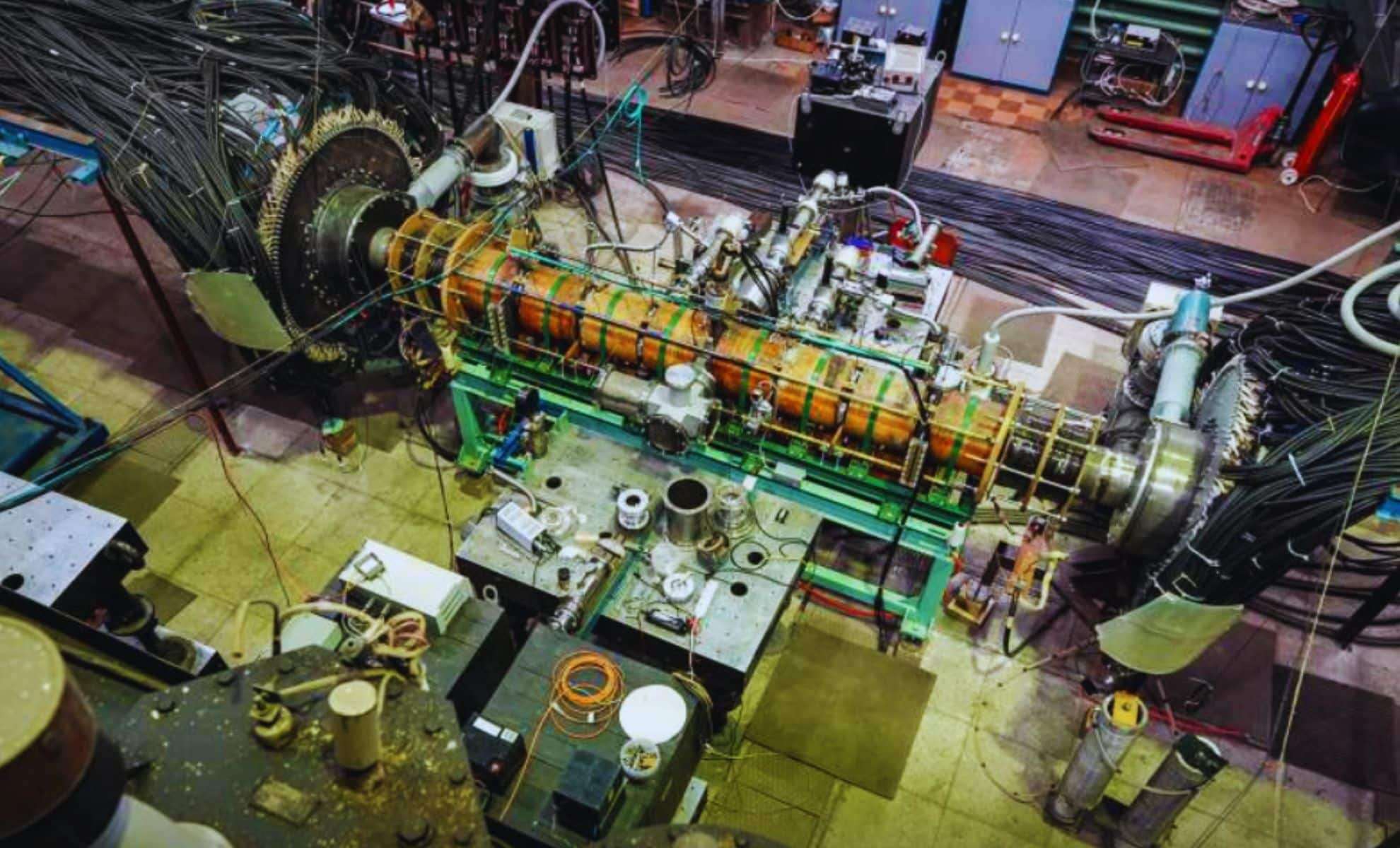
Scientists in Russia have introduced an innovative propulsion technology that's capturing attention across the space exploration field. Researchers at Rosatom’s Troitsk Institute report that their laboratory-proven magnetoplasma thruster could cut down travel time from Earth to Mars to a remarkable one or two months, a major improvement over current missions which typically take between six and nine months.
Steady Propulsion Powered by Plasma, Not Fuel Combustion
This cutting-edge propulsion relies on a plasma-based system that dispenses with traditional combustion methods. By harnessing electromagnetic forces, it accelerates hydrogen ions—charged particles such as protons and electrons—to velocities reaching 100 kilometers per second (around 360,000 km/h). In contrast, chemical rockets are limited to roughly 4.5 km/s due to fuel restrictions.
“Charged particles are the working medium, propelled by electromagnetic fields. This mechanism permits achieving significantly higher velocities,” explained Alexei Voronov, first deputy general director for science at the Troitsk Institute, during an interview with Izvestia.

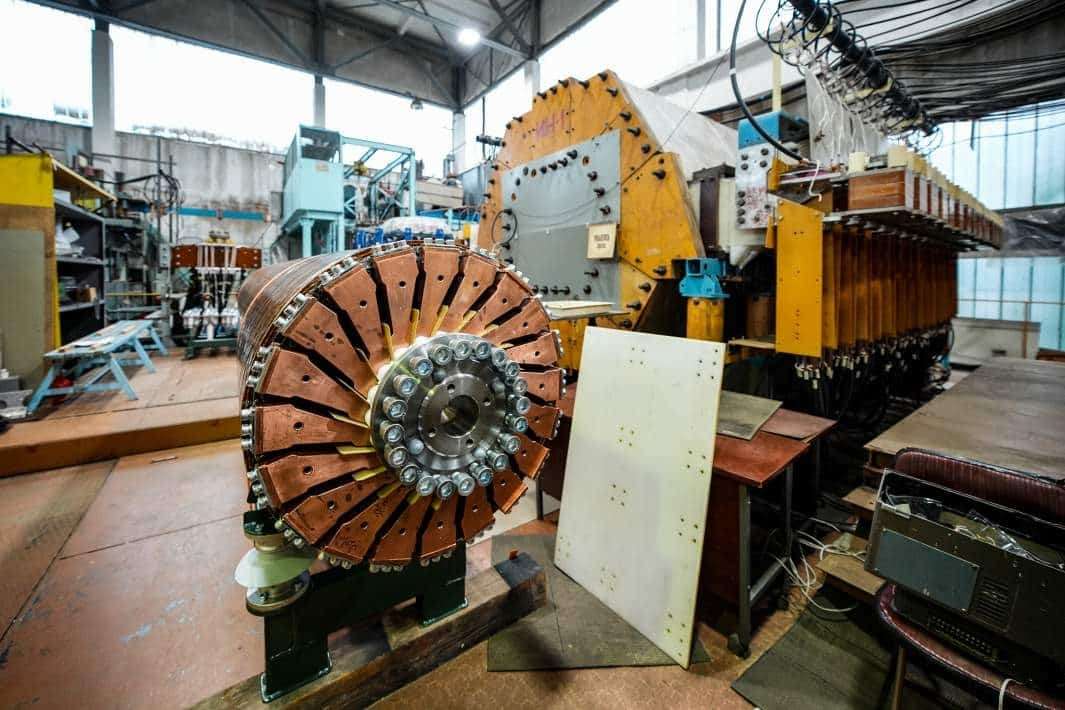
This style of propulsion offers continuous acceleration rather than an initial thrust followed by coasting, enabling progressively faster speed buildup. This reduces the duration of exposure to cosmic radiation—a pressing concern for crewed interplanetary journeys.
A Prototype Already Undergoing Trials
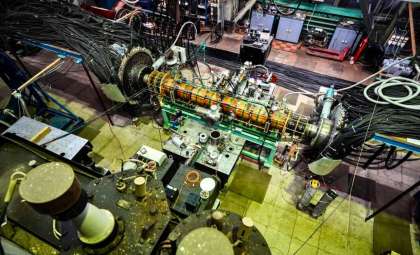
What sets this development apart is the creation of a working prototype. The team has assembled a test engine operating inside a large vacuum chamber—four meters in diameter and fourteen meters long—that simulates the vacuum of space. The engine functions in a pulse-periodic mode, consuming approximately 300 kilowatts of power.
Demonstrating impressive endurance, the prototype has logged an operational runtime of 2,400 hours, sufficient for a round-trip Mars expedition according to design calculations. “Our primary objective is to validate the pulse-periodic functionality of the prototype,” stated Konstantin Gutorov, the project's scientific advisor.
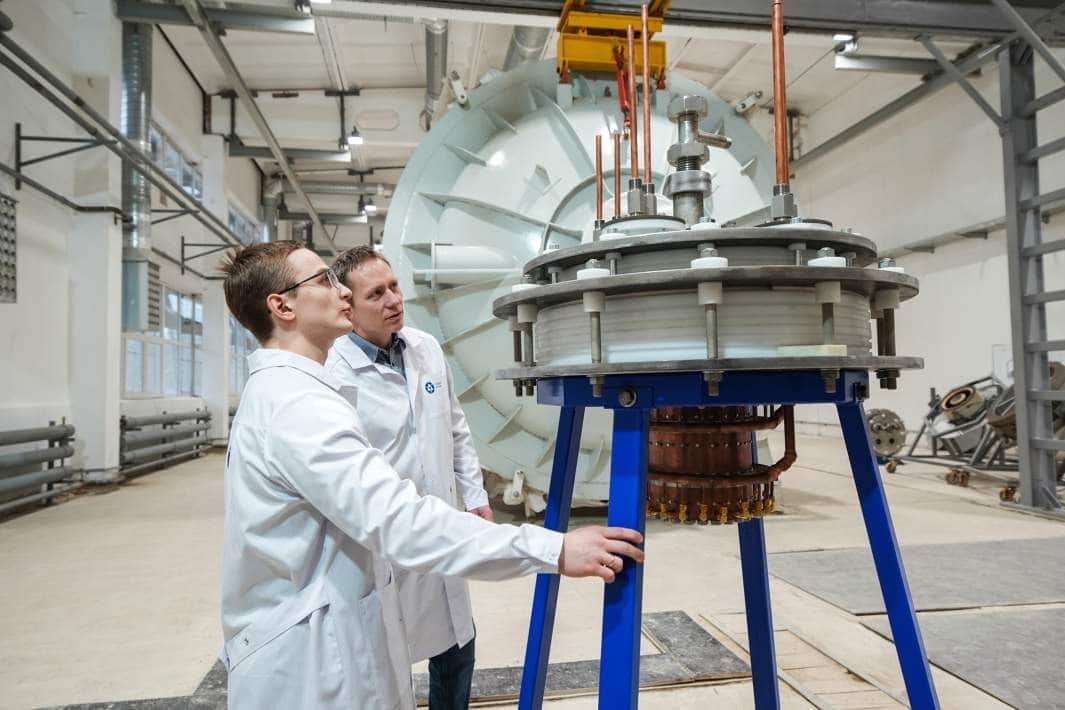
A spaceflight-ready iteration is targeted for release by 2030. This engine is not intended to replace conventional launch rockets but will engage once the spacecraft is in orbit, managing the interplanetary transit.
Optimizing Hydrogen for Efficient Travel
The selection of hydrogen as propellant is strategic. Being the universe’s lightest and most plentiful element enables rapid acceleration while conserving fuel. Additionally, the engine’s operation does not depend on extremely high plasma temperatures, minimizing thermal wear and enhancing component durability.
Although producing only 6 newtons of thrust, this level is actually the strongest so far among plasma propulsion research. Plasma engines favor maximized efficiency over sheer power by providing continuous and controlled acceleration, vital for prolonged spaceflights.
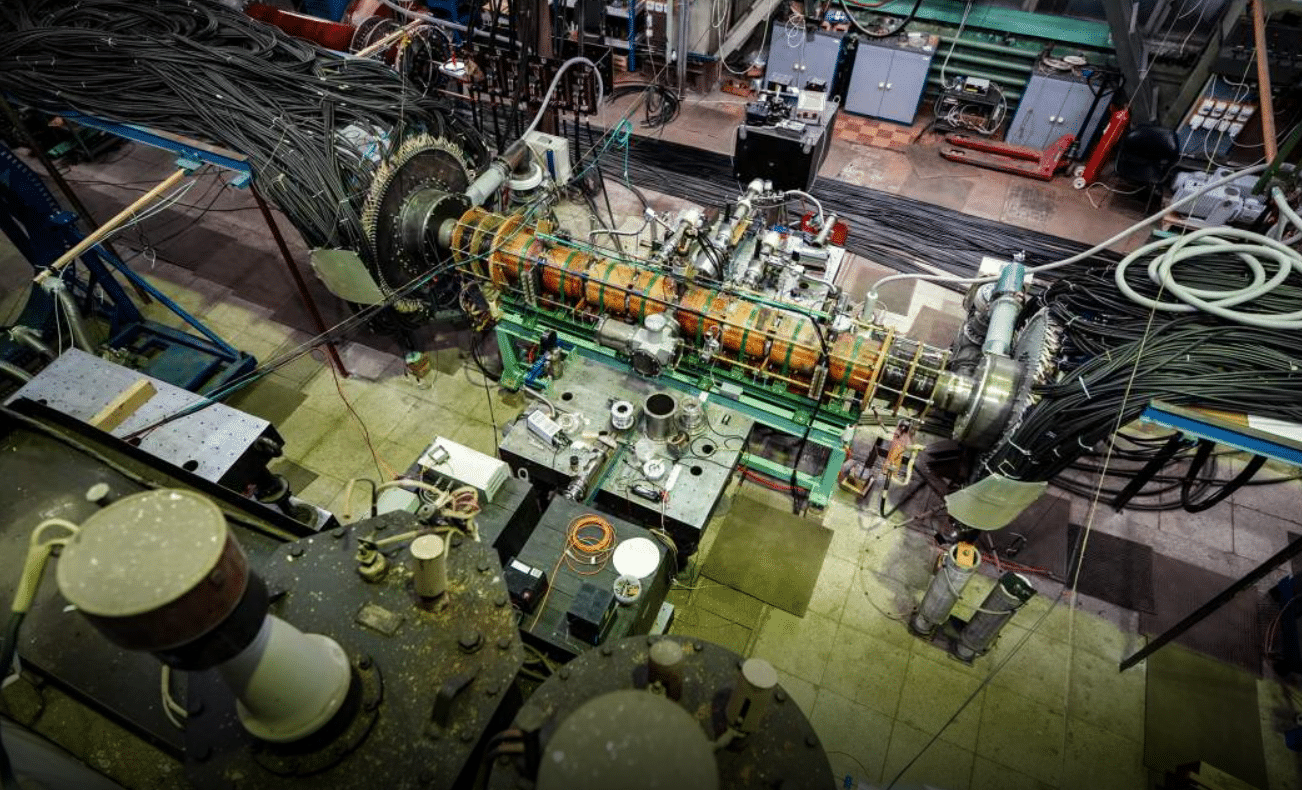
Energy for this propulsion system is expected to come from an onboard nuclear reactor. While this presents engineering and safety obstacles, it also offers the sustained power necessary for uninterrupted engine operation.
Comparing With Existing Technologies
Plasma propulsion itself isn’t a novelty. Russian plasma thrusters are presently deployed in applications such as the OneWeb satellite network and NASA’s Psyche mission. These existing engines typically achieve exhaust speeds between 10 and 50 km/s. The new thruster claims to double this velocity range, potentially marking a huge technological advancement pending external validation.
“This advance leads current plasma propulsion capabilities,” remarked Nathan Eismont from the Russian Academy of Sciences, adding that Russian plasma thrusters are already operational on international endeavors.
Despite this promising progress, the pathway to a Mars mission employing this engine remains uncertain. It’s yet to appear in independent peer-reviewed research, and its integration with a complete spacecraft architecture requires demonstration. Nonetheless, the functional prototype and ongoing testing highlight substantial progress beyond theoretical design.
- Categories:
- News







0 comments
Sign in to Comment