
When it comes to powering sensors placed deep in agricultural fields, traditional options like batteries eventually fail, and solar panels get covered in dirt or stop working at night. Both methods require regular maintenance trips to restore power.
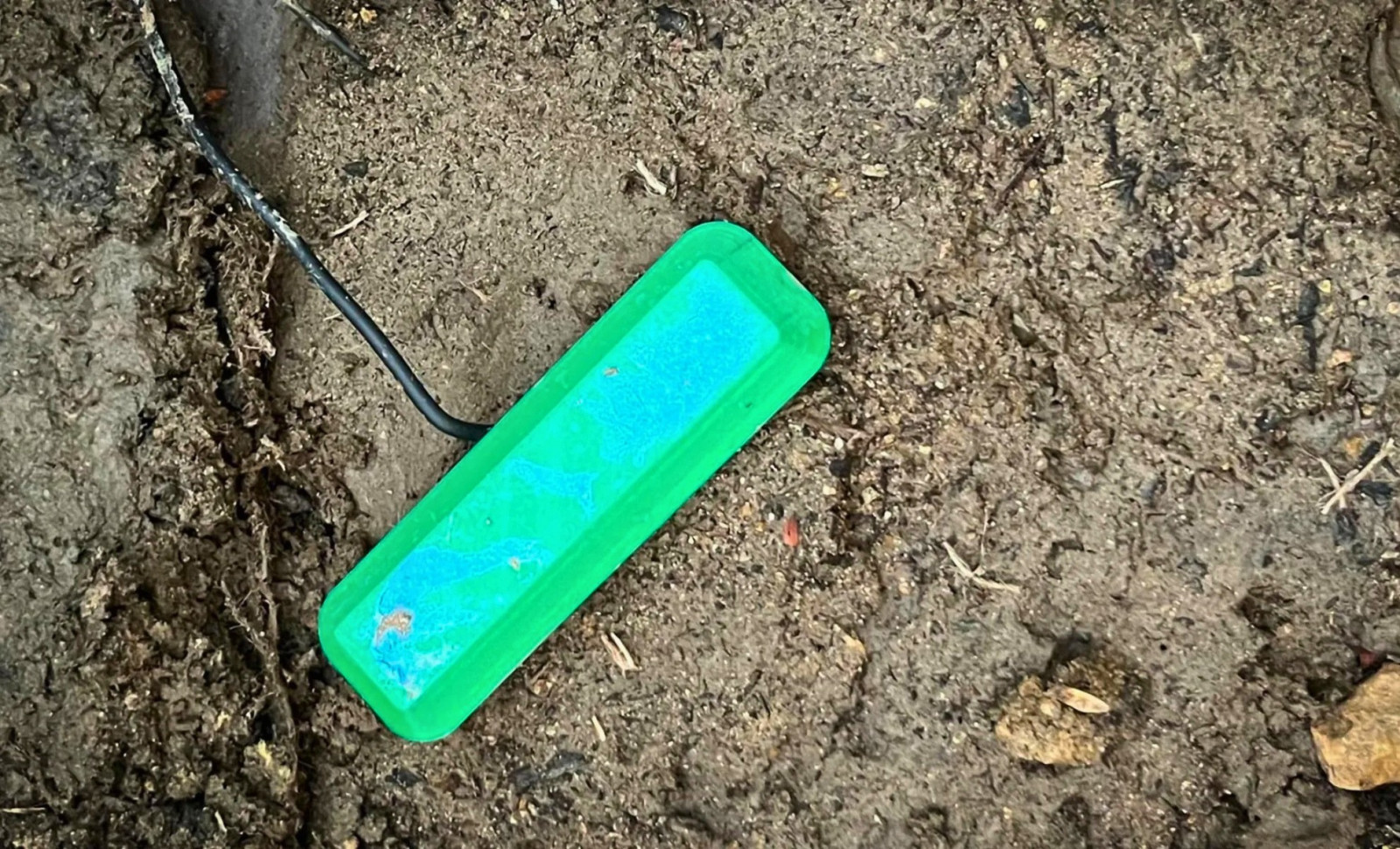
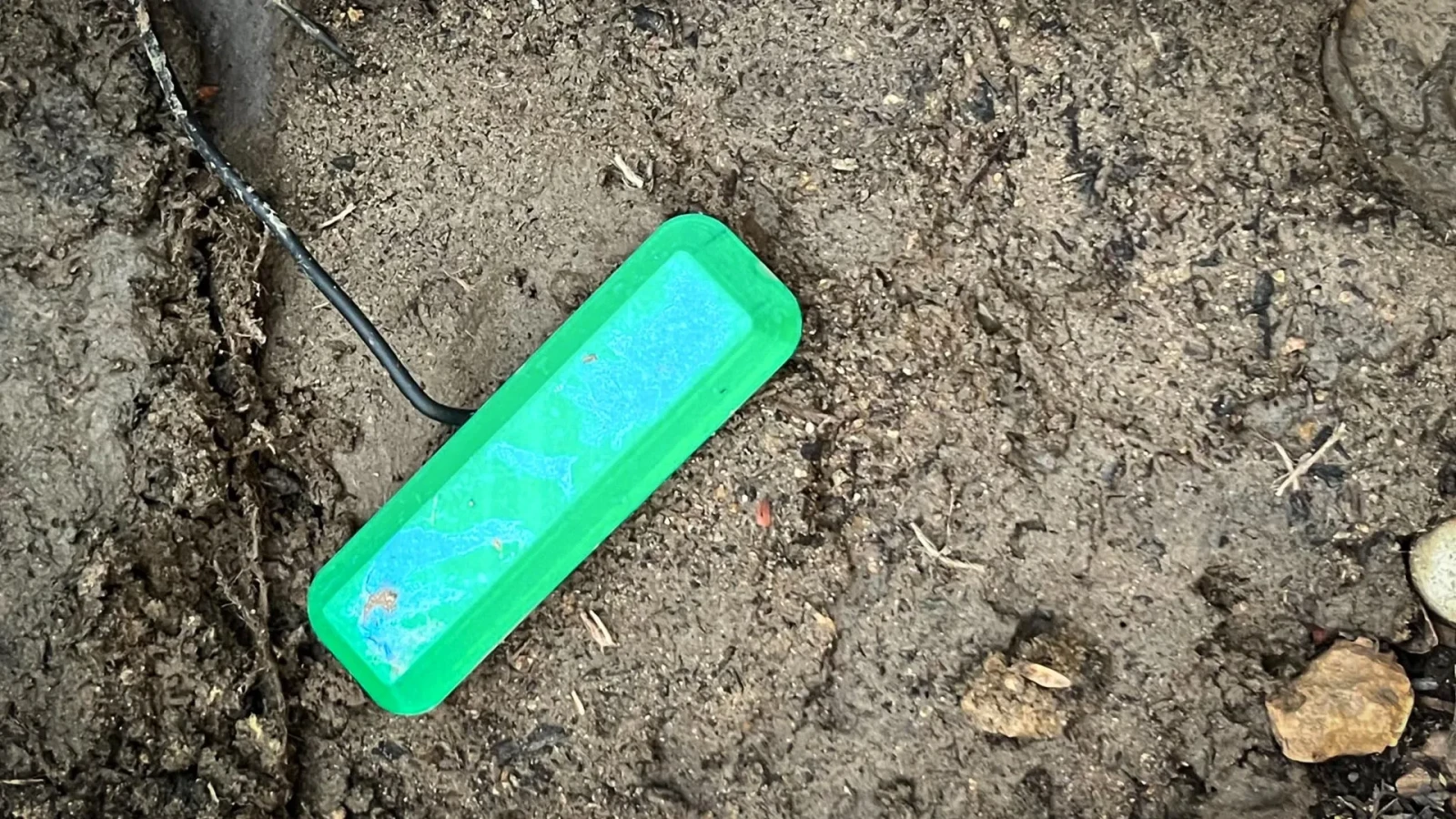
To address this challenge, a team at Northwestern University engineered a novel fuel cell that harvests electricity from bacteria naturally residing in soil. Roughly the size of a paperback book, this device consistently supplies enough energy to operate buried sensors indefinitely without needing battery replacements.
The fuel cell demonstrated resilience under varying conditions, including droughts and floods, by generating 68 times the power required by its sensors. This advancement was detailed recently in the Proceedings of the ACM on Interactive, Mobile, Wearable and Ubiquitous Technologies.

Challenges of Remote Sensor Power in Agriculture
Precision farming relies on distributed sensors that measure soil moisture, nutrient levels, and contaminants, but sustaining their power supply is a significant obstacle. Batteries run out, demanding on-site replacements, while solar panels accumulate dirt or lose power after sunset.
Bill Yen, who conducted this research during his undergraduate studies under Northwestern civil and environmental engineering associate professor George Wells, summarized the issue: “Deploying a sensor outdoors, whether in farms or wetlands, has always meant relying on batteries or solar-powered energy.” Yen is currently pursuing his PhD at Stanford University.
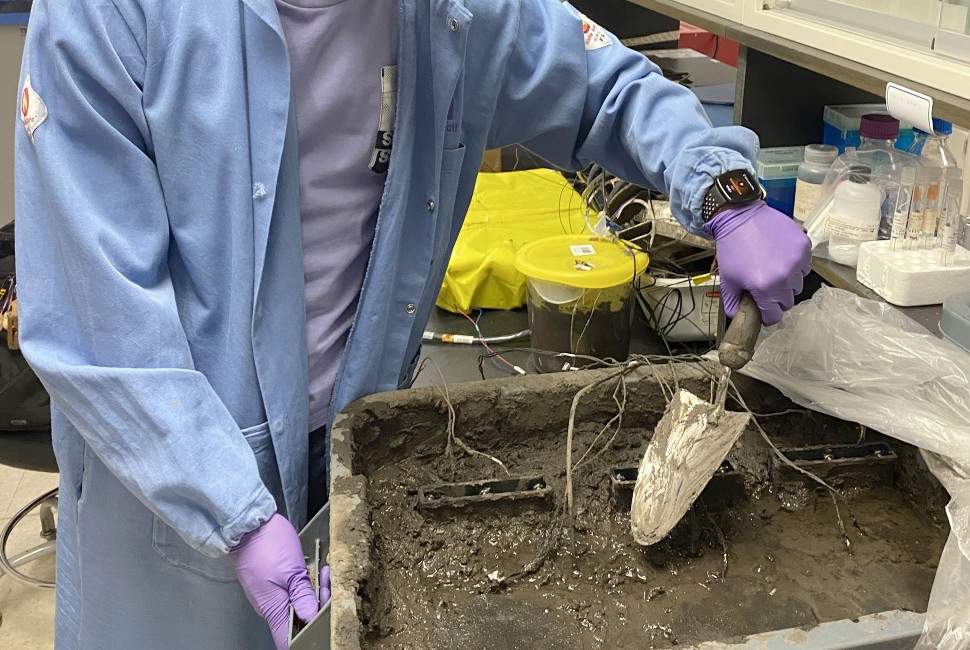
This innovative fuel cell solves the problem by tapping into the local soil ecosystem that the sensors observe. As long as microbes consume organic carbon in the soil, this system can continuously deliver energy without intervention.
Microbes as Natural Electron Producers
Microbial fuel cells have been conceptualized since 1911, working similarly to basic batteries made of an anode, a cathode, and an electrolyte. Instead of relying on artificial chemicals, these devices capture electrons released by bacteria decomposing organic compounds.
Electron movement between the anode and cathode creates an electric current, but maintaining active bacteria requires a delicate balance of moisture and oxygen underground—a notoriously difficult condition to achieve.
“While microbial fuel cells have been studied for over a century, their unstable output and poor performance in low-moisture environments have limited practical applications,” Yen explained.
Optimizing Fuel Cell Design with Vertical Setup
After two years of experimentation with various configurations, the team found that positioning the anode and cathode perpendicularly was most effective.
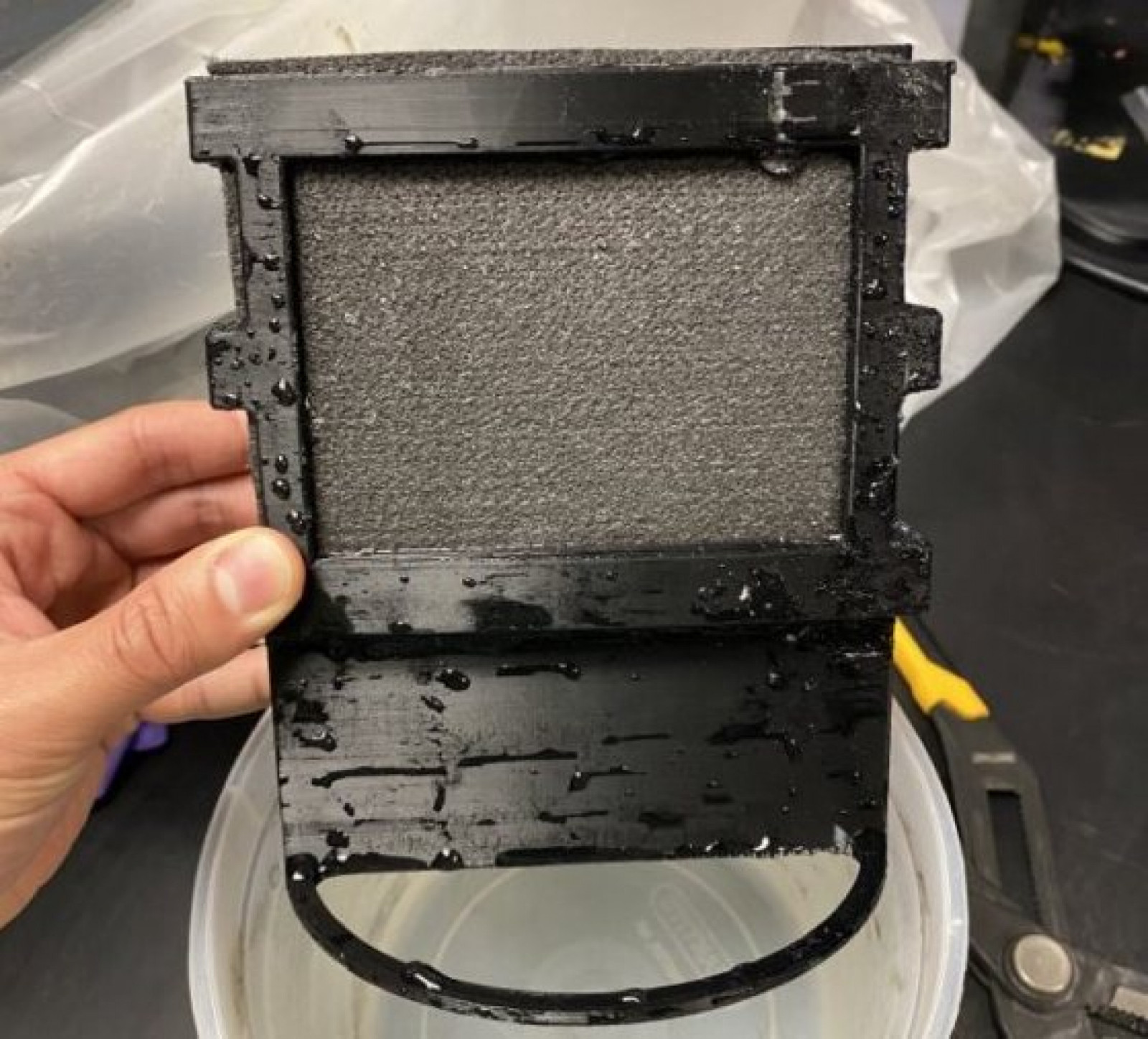
The flat anode, crafted from affordable carbon felt, rests beneath the soil surface. The cathode, built from conductive metal, stands upright with its top at ground level. A 3D-printed cover featuring an air inlet prevents debris intrusion while allowing oxygen to flow. The cathode’s buried end remains moist, ensuring functionality even when the topsoil dries out.
Part of the cathode is treated with a water-repellent coating to maintain operation during flooding, while the upright setup aids gradual drying afterwards.
On average, the cell produced energy nearly 68 times higher than needed for its sensors, which monitor soil moisture and can detect physical contact—useful for tracking fauna movement. Additionally, a small antenna transmits data wirelessly by reflecting ambient radio frequency signals.
Powering Small-Scale Devices with Sustainable Energy
This technology isn’t aimed at high-power electronics. Senior author George Wells emphasized its environmental advantages and limitations.
“These microbes are abundant in soils worldwide,” Wells noted. “Simple engineered systems can harness their electrical output. It’s not a solution for city-wide power needs, but it’s perfect for supporting low-energy devices in remote locations.”
All components are readily available at typical hardware stores. The researchers have shared detailed plans, assembly guides, and simulation software online for public use and adaptation. Their next goal is to create a version using biodegradable materials compatible with soil ecosystems.
- Categories:
- News











0 comments
Sign in to Comment