
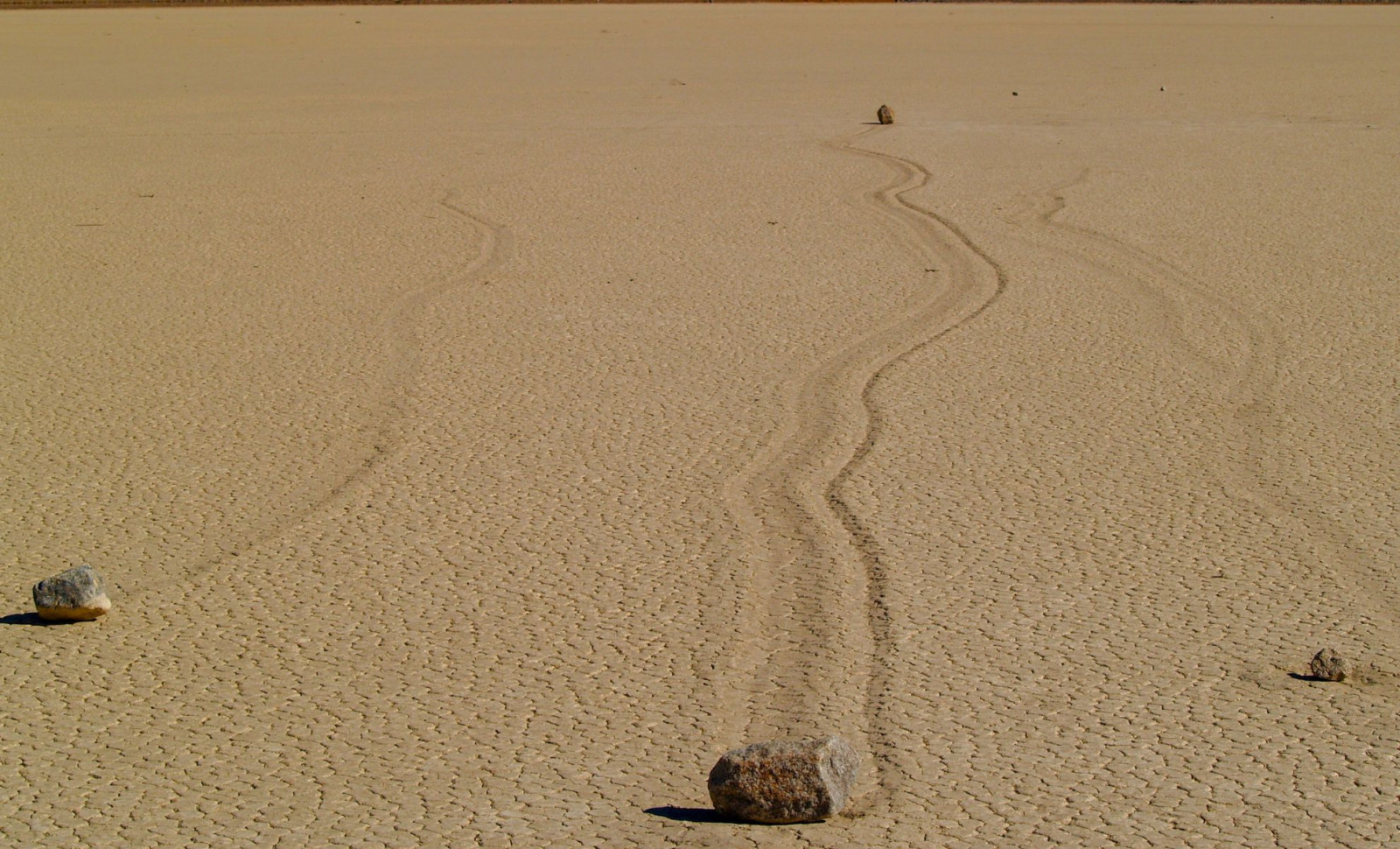
After decades of speculation, researchers have successfully documented the famous sailing stones of Racetrack Playa in Death Valley National Park as they gradually shift position. Their discovery reveals a surprisingly straightforward reason behind these mysterious movements.
These hefty rocks, some tipping the scales at over 300 kilograms, leave distinctive tracks across the dry lakebed. Their trajectories often run parallel with synchronized turns and sudden shifts, adding to the enigmatic nature of their motion.
Until now, no one had ever witnessed these stones in motion. The study led by Dr. Brian Jackson from Boise State University highlights that the infrequency of ideal conditions and the extremely slow pace of movement explain why this phenomenon remained unseen for so long.

A Patient Monitoring Effort Pays Off
To observe the stones moving, scientists set up a weather station measuring wind speeds every second and equipped 15 stones with motion-sensitive GPS trackers.
Their results, published in PLOS ONE, detail how this arrangement enabled the capture of real-time data during a rare flooding event on the playa. As Dr. Richard Norris of the Scripps Institution of Oceanography remarked:
“Science sometimes has an element of luck. We expected to wait five or ten years without anything moving, but only two years into the project, we just happened to be there at the right time to see it happen in person.”
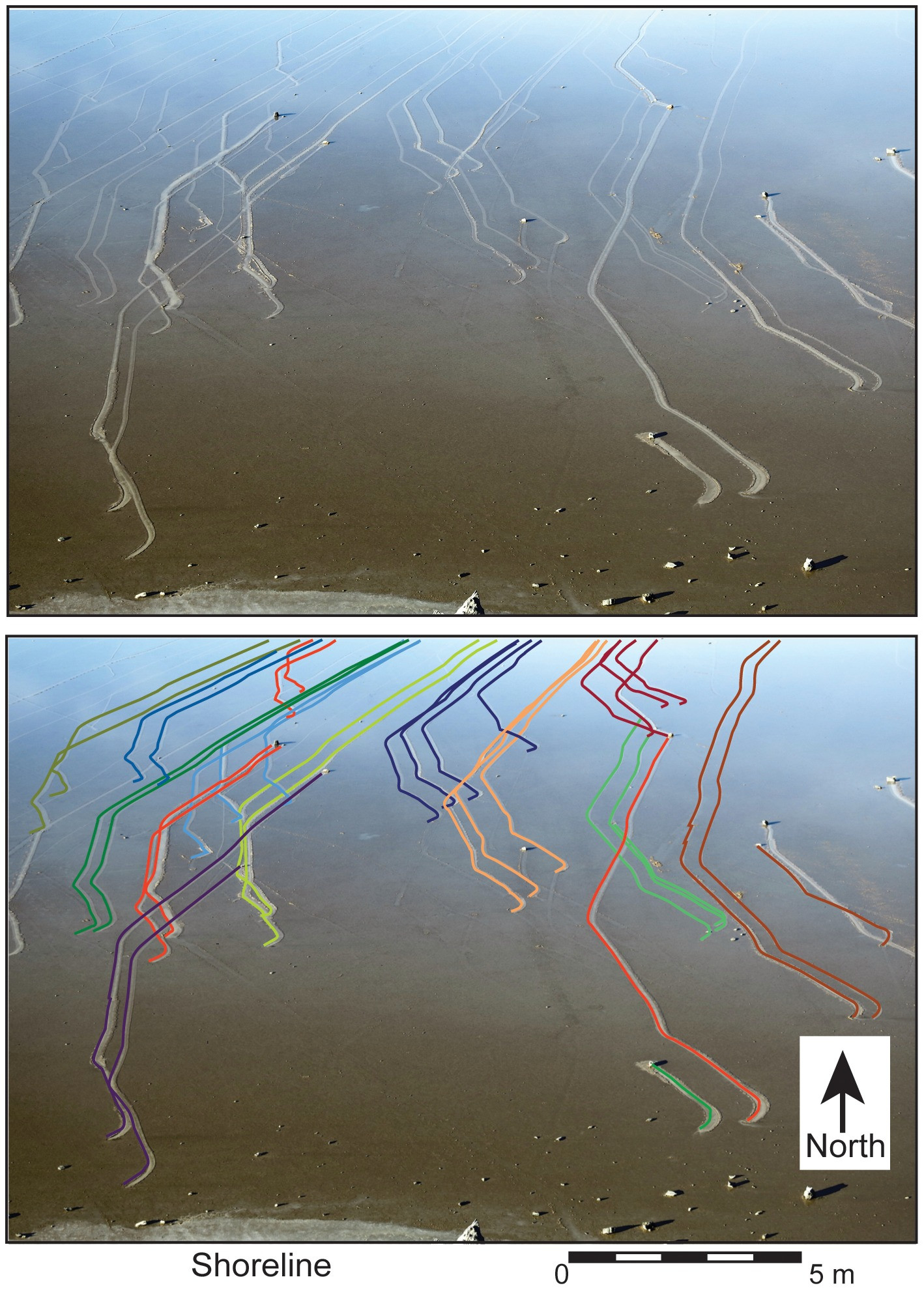
During a span of about two and a half months, the team recorded five separate movements, with some events featuring hundreds of stones moving simultaneously.
This comprehensive dataset correlated specific weather conditions with the stones’ movement, clarifying why such occurrences are brief and irregular, and thus eluded direct observation for so long.
Thin Ice Sheets and Gentle Winds Propel the Stones
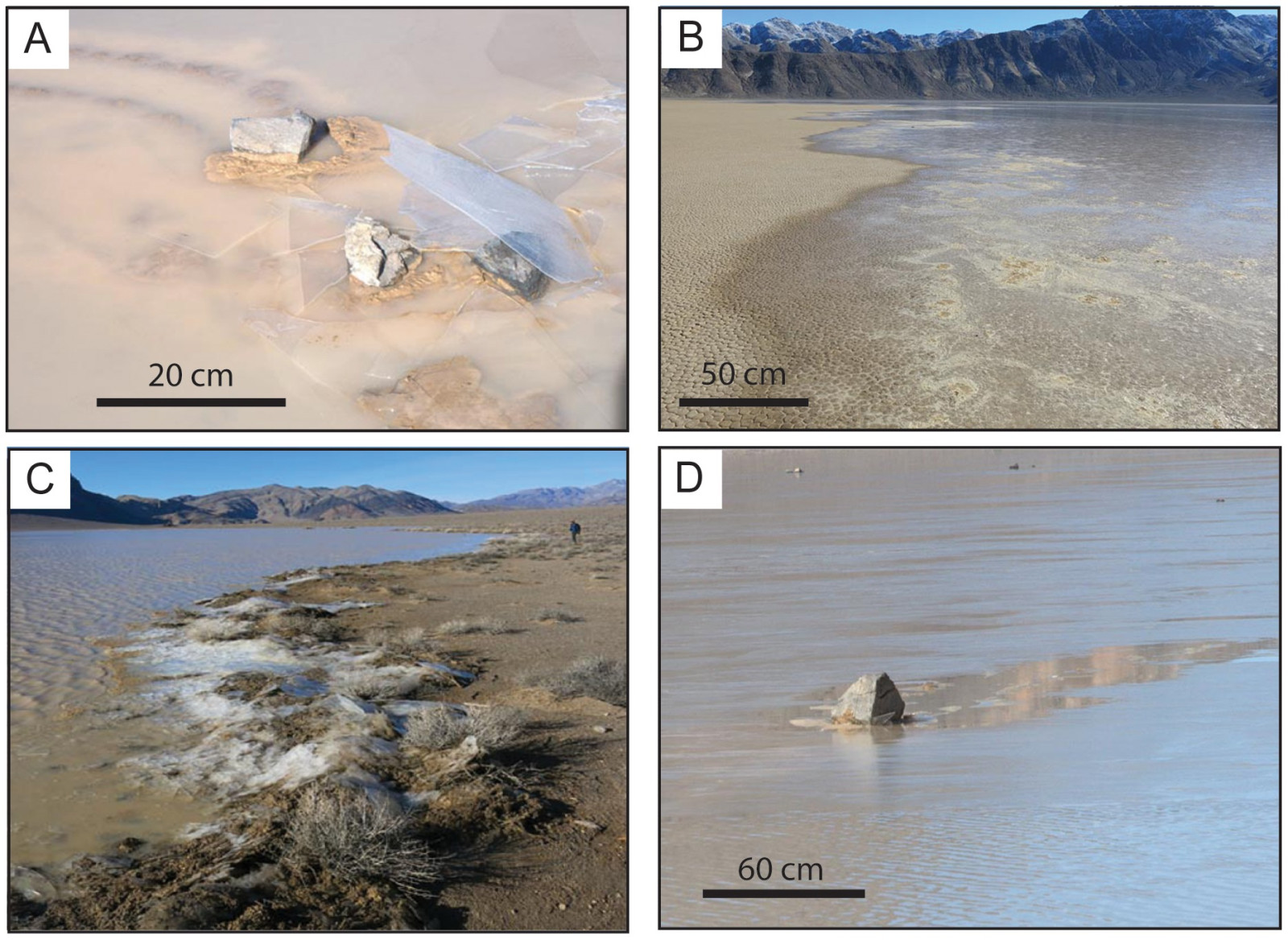
The underlying cause turns out to be less dramatic than previous theories suggested. When the playa fills with water, cold nighttime temperatures freeze a thin layer of water into ice, just 3 to 5 millimeters thick. With warming sunlight, this ice fractures into large floating slabs.
Dr. Norris’s research demonstrates that these ice panels are driven by mild winds reaching only 3 to 5 meters per second, which then push the stones across the soft muddy surface. The ice does not lift the rocks but transmits force as it drifts across them. These observations reveal how even gentle breezes can move massive stones under the right conditions.
Slow, Synchronized Motion Solved a Longstanding Puzzle
One major reason this enigma persisted is the incredibly slow pace of the stones’ motion. They travel at just 2 to 6 meters per minute, making their movement nearly imperceptible without close observation or specialized instruments.
Movements can last anywhere from a few seconds to as long as 16 minutes. On one occasion, stones scattered over an area the length of three football fields began moving in unison, covering more than 60 meters.
Scientists noted that this synchronized movement accounts for the parallel trackways visible across the Racetrack Playa. These events are subtle and quiet, so even observers present might never realize the stones are slowly sliding across the surface.
- Categories:
- Science








0 comments
Sign in to Comment