
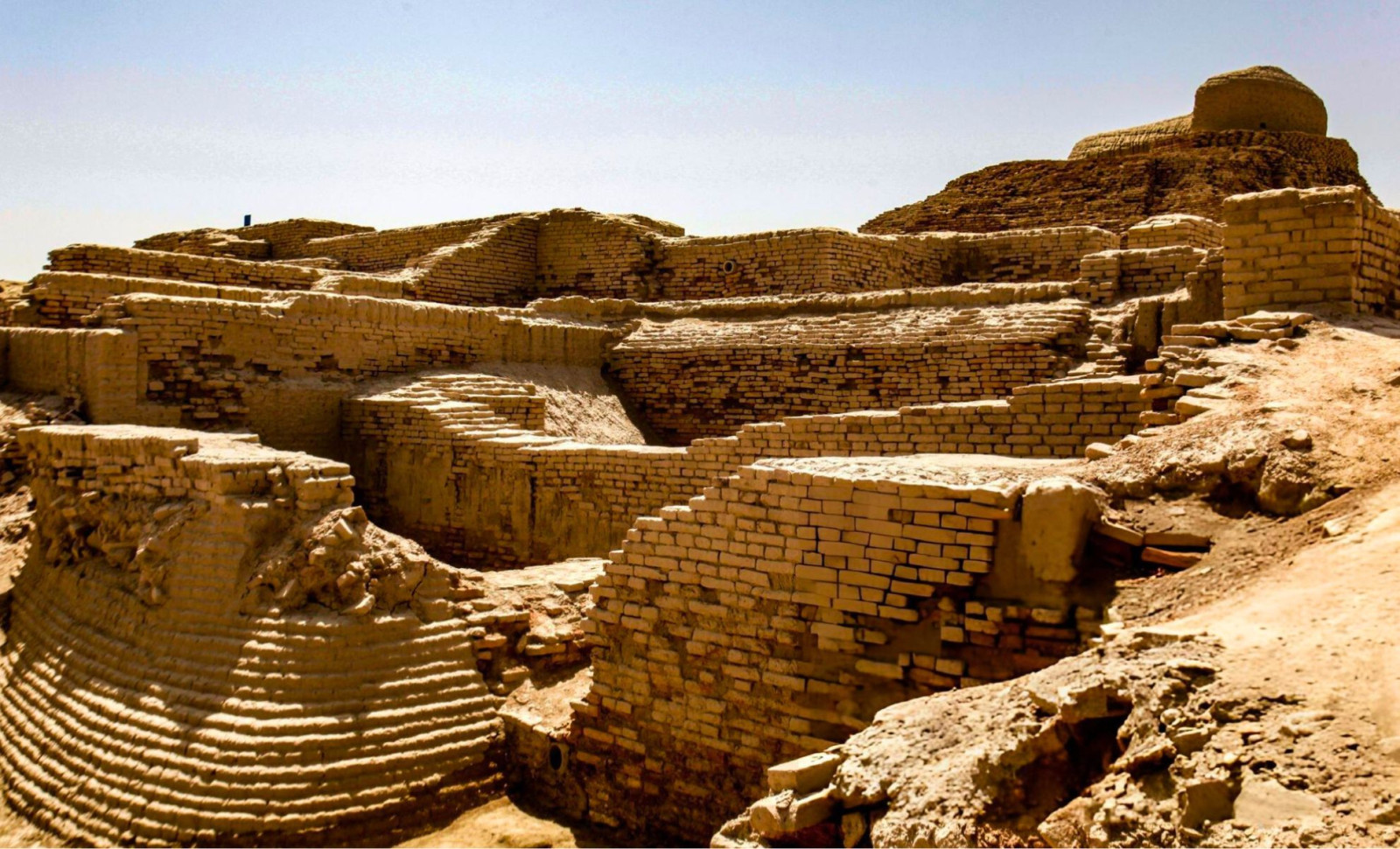
For years, scholars have attributed the decline of the Bronze Age Harappan civilisation primarily to shifts in climate, specifically a reduction in the monsoon rains that supported its thriving urban centres. However, fresh data from an excavation in northwest India challenges this long-held belief.
Scientists examining oxygen isotope levels in animal teeth and bones found in a trench at Bhirrana in Haryana have pieced together a continuous 5,000-year record of monsoon fluctuation at the site. Their study, appearing in Scientific Reports, reveals that although monsoon strength diminished after around 7,000 years ago, this weakening did not directly cause the civilisation's downfall. Instead, locals adapted through changes in their farming methods, gradually reshaping their society.
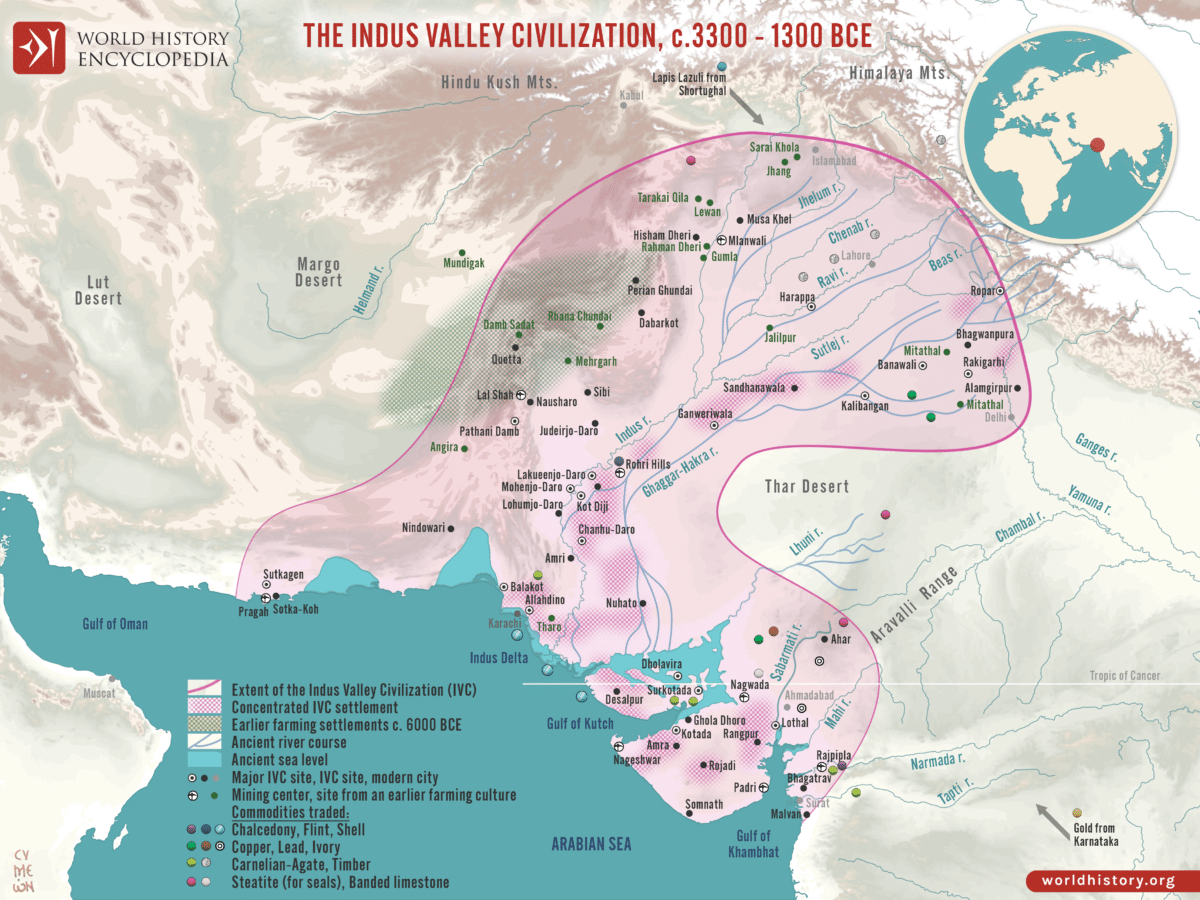
This research addresses a persistent challenge in archaeology: earlier climate reconstructions came from distant sources such as sediments from the Thar desert or marine cores from the Arabian Sea, which could not directly link climatic trends with cultural changes at habitation sites. The Bhirrana trench's well-preserved layers allow an unprecedented direct comparison.

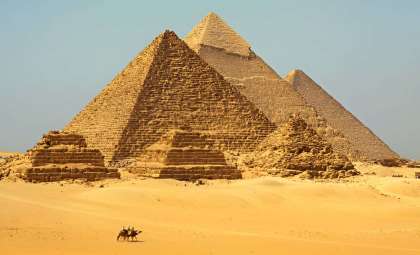
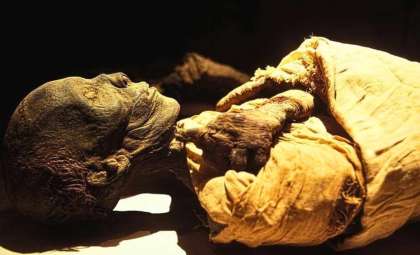
Moreover, Bhirrana emerges as much older than once believed. The deepest occupation containing Hakra ware pottery has a mean radiocarbon date near 8,350 years ago. Additional optically stimulated luminescence dating of ceramics confirms continuous settlement at Bhirrana from before 8,000 to roughly 2,800 years ago. This makes it one of the oldest Harappan sites, predating the reign of Egypt’s earliest pharaohs by thousands of years.
Unraveling the Decline of an Ancient Society
The oxygen isotope data from the animal remains serves as an indicator for the rainfall patterns experienced historically. It reveals that early inhabitants thrived when the Ghaggar-Hakra river, now mostly dry, benefitted from strong monsoons between 9,000 and 7,000 years ago, followed by a slow decline in rainfall after 7,000 years ago.
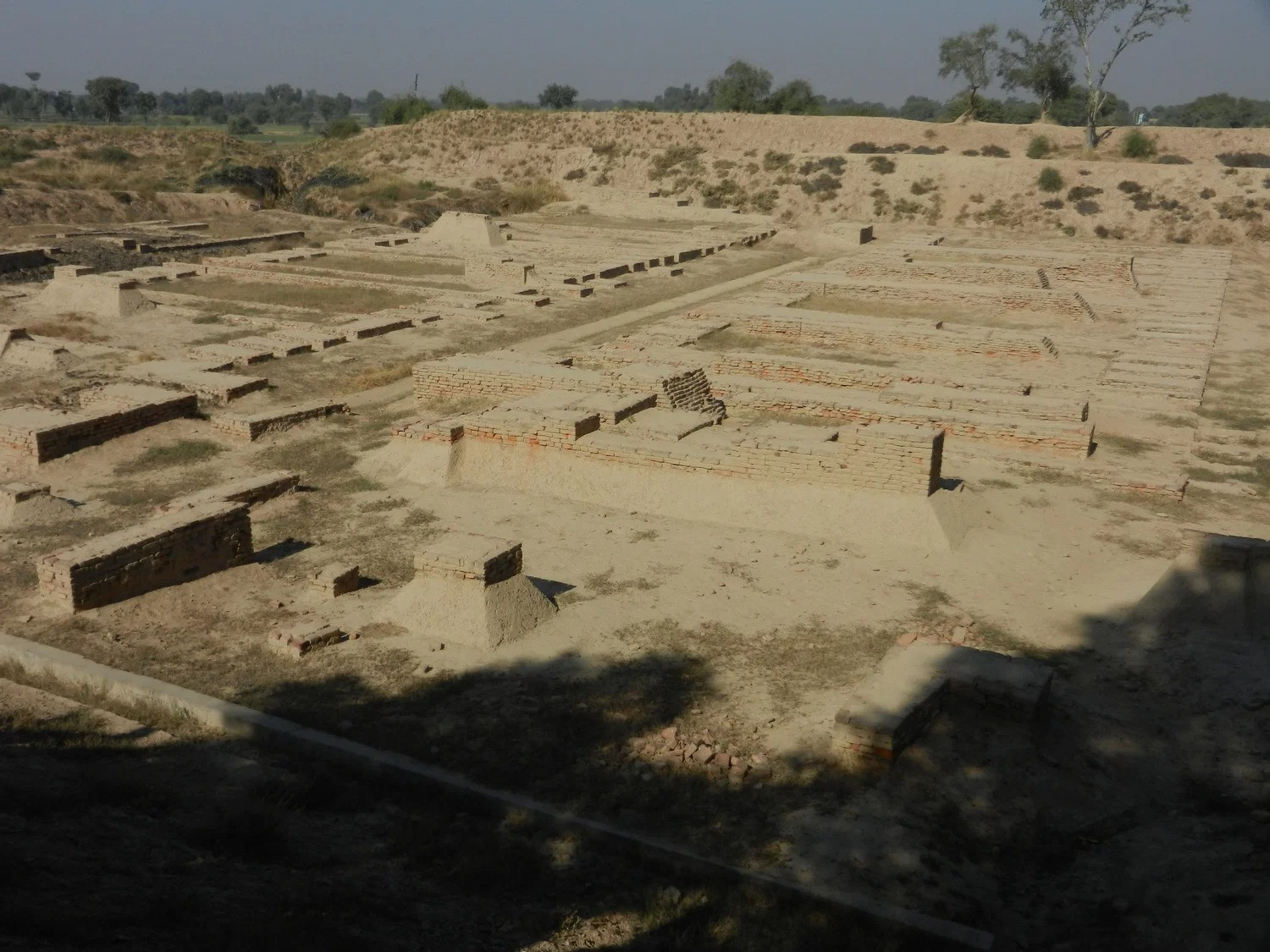
Despite the decreasing monsoon, habitation at Bhirrana continued through the Early Harappan (around 8,000 to 6,500 years ago), Early Mature Harappan (6,500 to 5,000 years ago), and Mature Harappan (5,000 to 2,800 years ago) phases. The civilization’s golden age, marked by its well-planned cities and complex trade systems, actually coincided with this period of weakening monsoon.
The authors note, “If climate change had been the sole trigger for collapse, one would expect a sharp cultural transition matching a significant isotopic change. This was not observed in the data.”
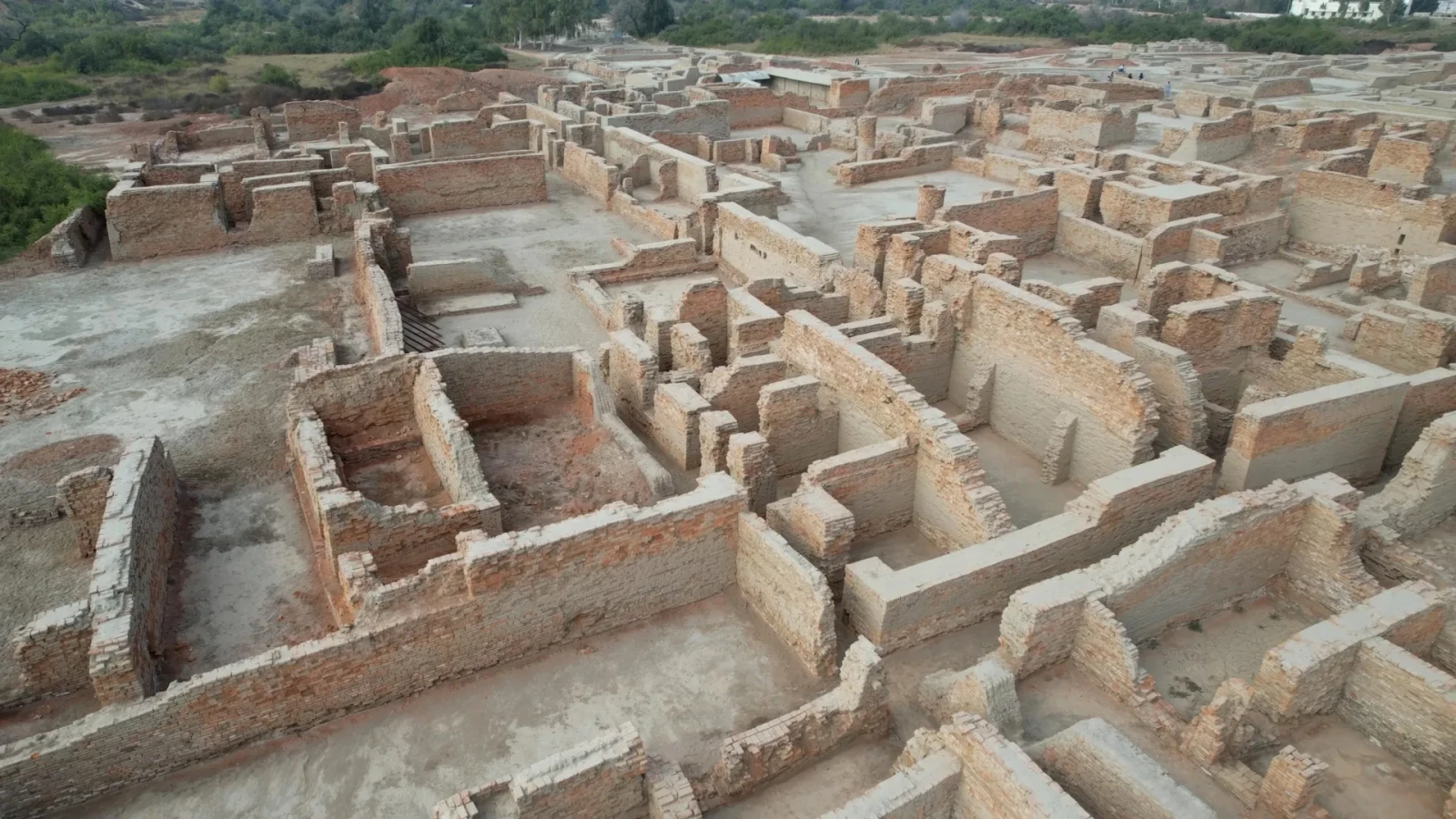
Instead, the archaeological data highlights a different trajectory. During the late Harappan period, inhabitants transitioned from cultivating water-demanding crops like wheat and barley to drought-tolerant grains such as millets and rice. This agricultural shift reduced dependence on large centralized granaries and dense cities, leading to population dispersion into smaller communities rather than outright abandonment.
Reevaluating the Timeline of this Ancient Civilization
The Times of India recently covered these revelations, emphasizing that this updated timeline predates the emergence of Egypt’s earliest rulers. Their report, based on the same Scientific Reports article and radiocarbon dating from Bhirrana, places the civilization’s origins far earlier than once believed.
At its height, the Indus civilization possibly housed over five million people across a wide area stretching from the Arabian Sea to the Ganges basin. The urban centers featured grid-like street layouts, covered drainage infrastructure, and private wells. Skilled artisans produced drilled gemstone beads, standardized stone weights, copper and bronze implements, and intricately engraved seals with an undeciphered script. Notably, large temples or palatial structures common in Egypt or Mesopotamia remain absent, hinting at a distinct political organization.
This newly uncovered climate data clarifies how this civilization endured environmental shifts. The monsoon’s decline post-7,000 years ago was gradual, not abrupt, providing time for agricultural innovation. The subsequent fragmentation into smaller settlements during the late Harappan phase reflects successful adaptation rather than societal failure.
The research team also examined faunal remains from the Bhirrana trench, identifying species like cattle, buffalo, goat, and sheep from early layers, alongside wild species such as nilgai, spotted deer, and antelope that supplemented diets. Oxygen isotope analysis was conducted on tooth and bone phosphates after electron microprobe checks confirmed the preservation of original bioapatite suitable for such testing.
Optically stimulated luminescence dating of pottery shards—one dated to 4,800 years ago from the mature Harappan level at 42 cm depth, and another to 5,900 years ago from the early mature Harappan level at 143 cm depth—further support the trench’s stratigraphy and the ancient timeline of occupation.
- Categories:
- Science



0 comments
Sign in to Comment