
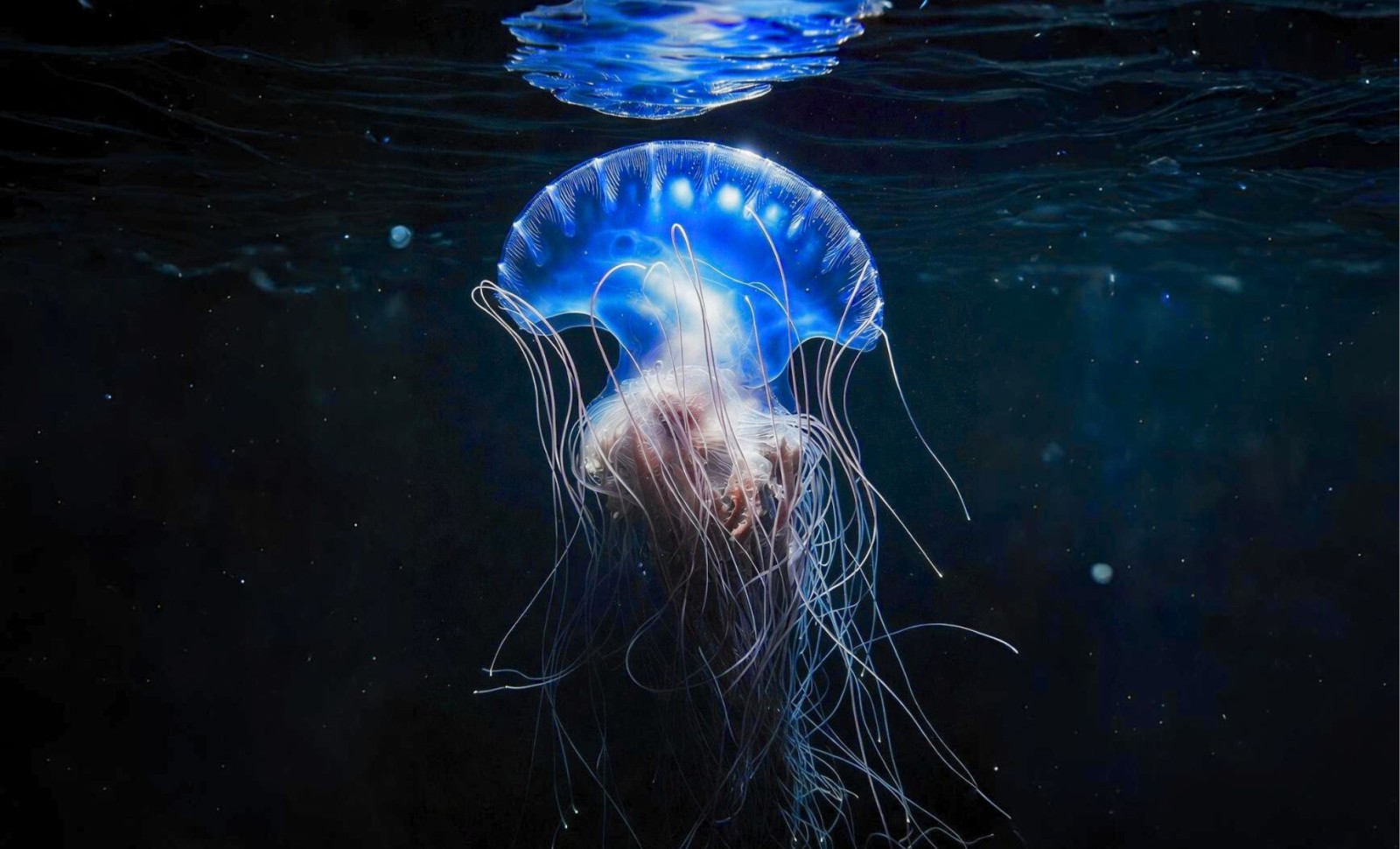
Along Japan’s northeastern coastline, a translucent, pale blue marine organism recently surfaced, initially mistaken for a jellyfish. However, upon closer inspection by researchers, it was revealed as a previously unknown type of Portuguese man-of-war with potentially hazardous features.
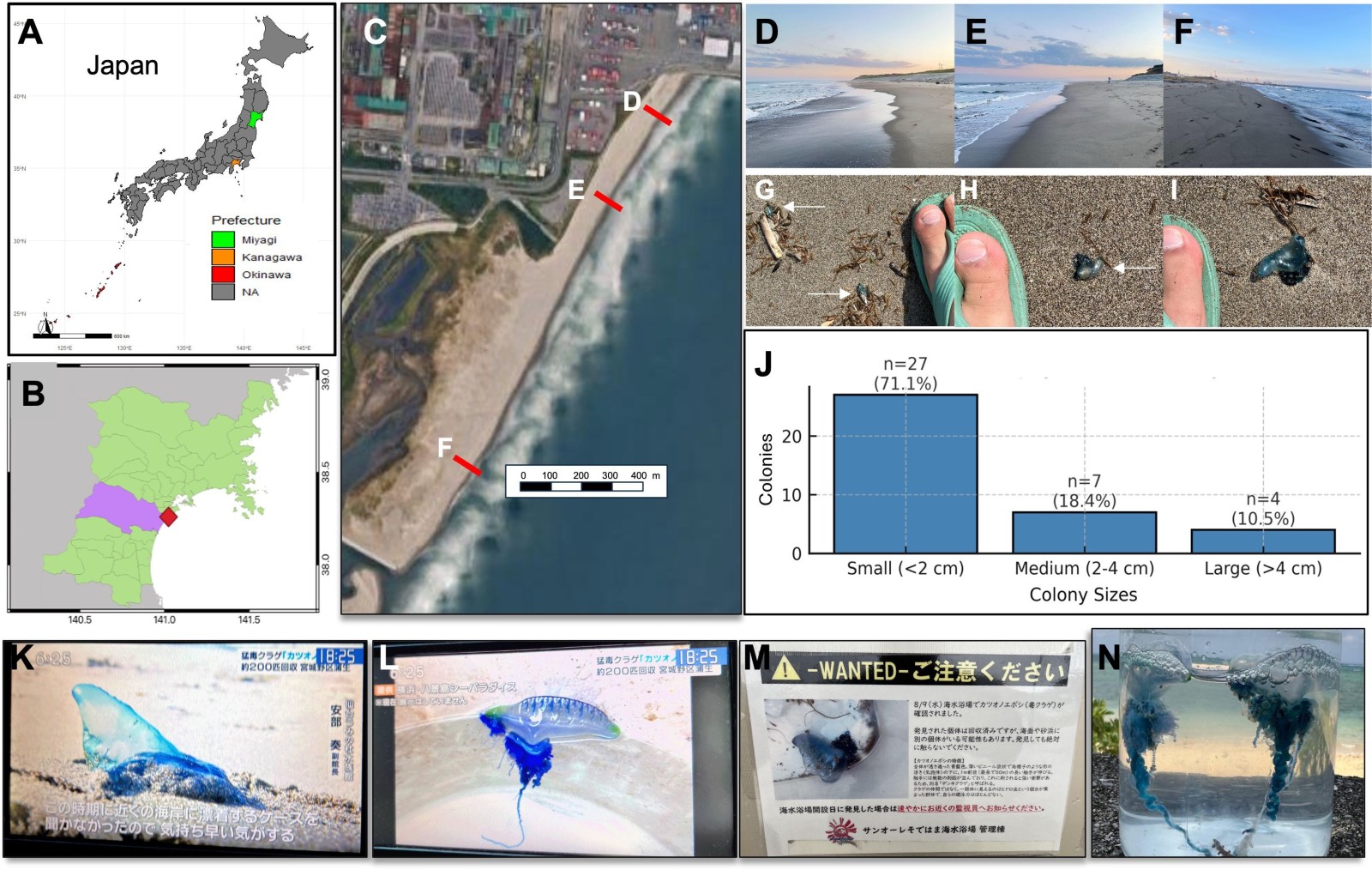
Marine biologist Yoshiki Ochiai discovered this unusual creature on Gamo Beach in Sendai Bay and sent it for further examination at Tohoku University. The investigation unveiled that this was not only a new species but one genetically distinct from all known Portuguese man-of-war varieties.
The species has been named Physalia mikazuki, drawing inspiration from the crescent-moon emblem associated with samurai Date Masamune. Beyond its uniqueness, the species’ appearance signals a northward biological range expansion, suggesting changing marine conditions.

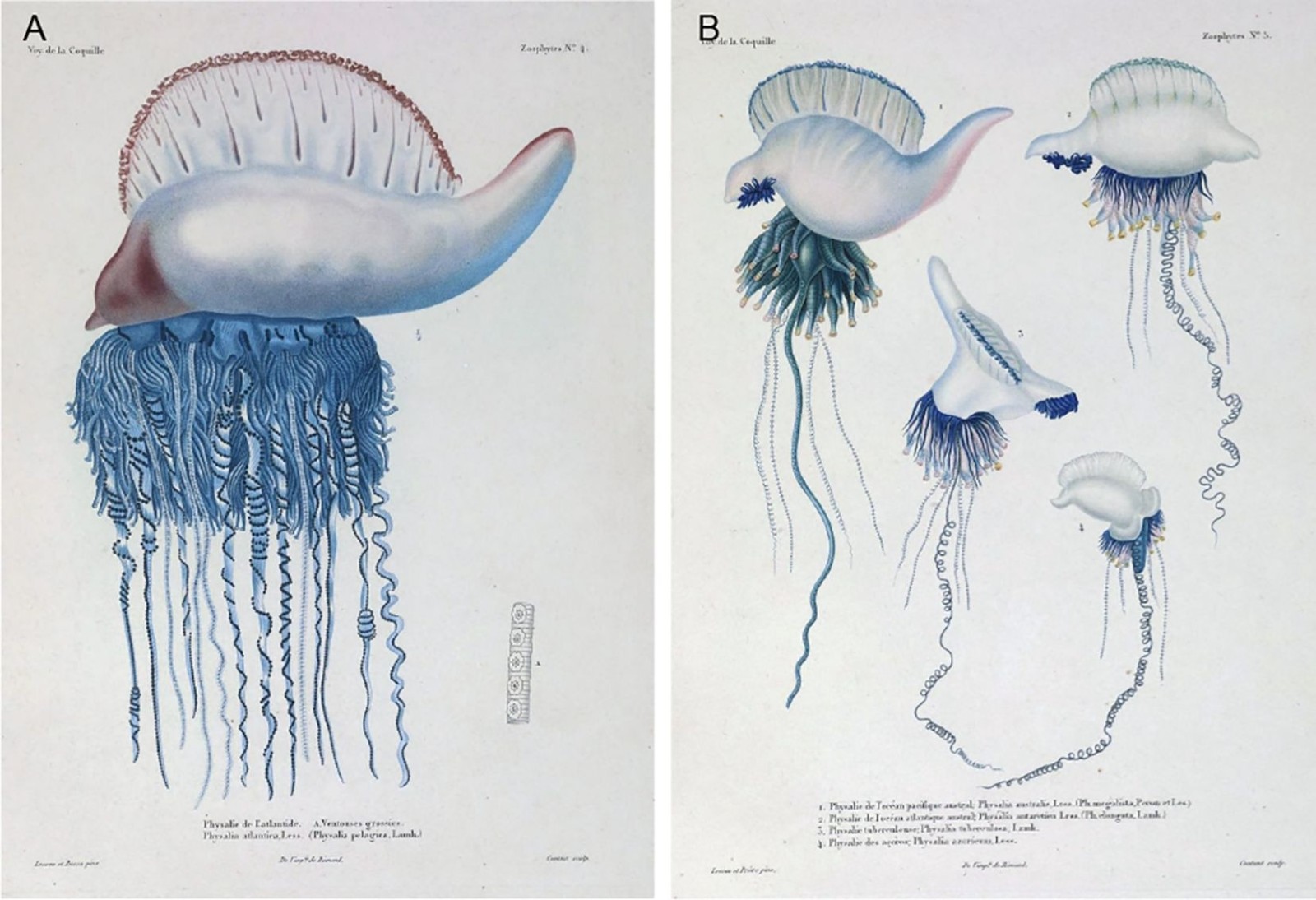
This finding highlights broader environmental shifts, indicating that warming seas and altered ocean currents are causing venomous species to appear in waters they historically did not inhabit, raising concerns for coastal ecosystems and public health.
A New Member of a Unique Marine Colony
Unlike solitary jellyfish, Physalia species are colonial siphonophores—groups of specialized zooids acting in unison. Their elongated tentacles, armed with stinging cells, capture small aquatic prey, but can also deliver painful and hazardous stings to humans.
Previously, only the “bluebottle” Physalia utriculus was native to Japan, mostly around Okinawa. The discovery of P. mikazuki in Japan’s Tohoku region represents the genus’s most northerly occurrence by over 2,000 kilometers.
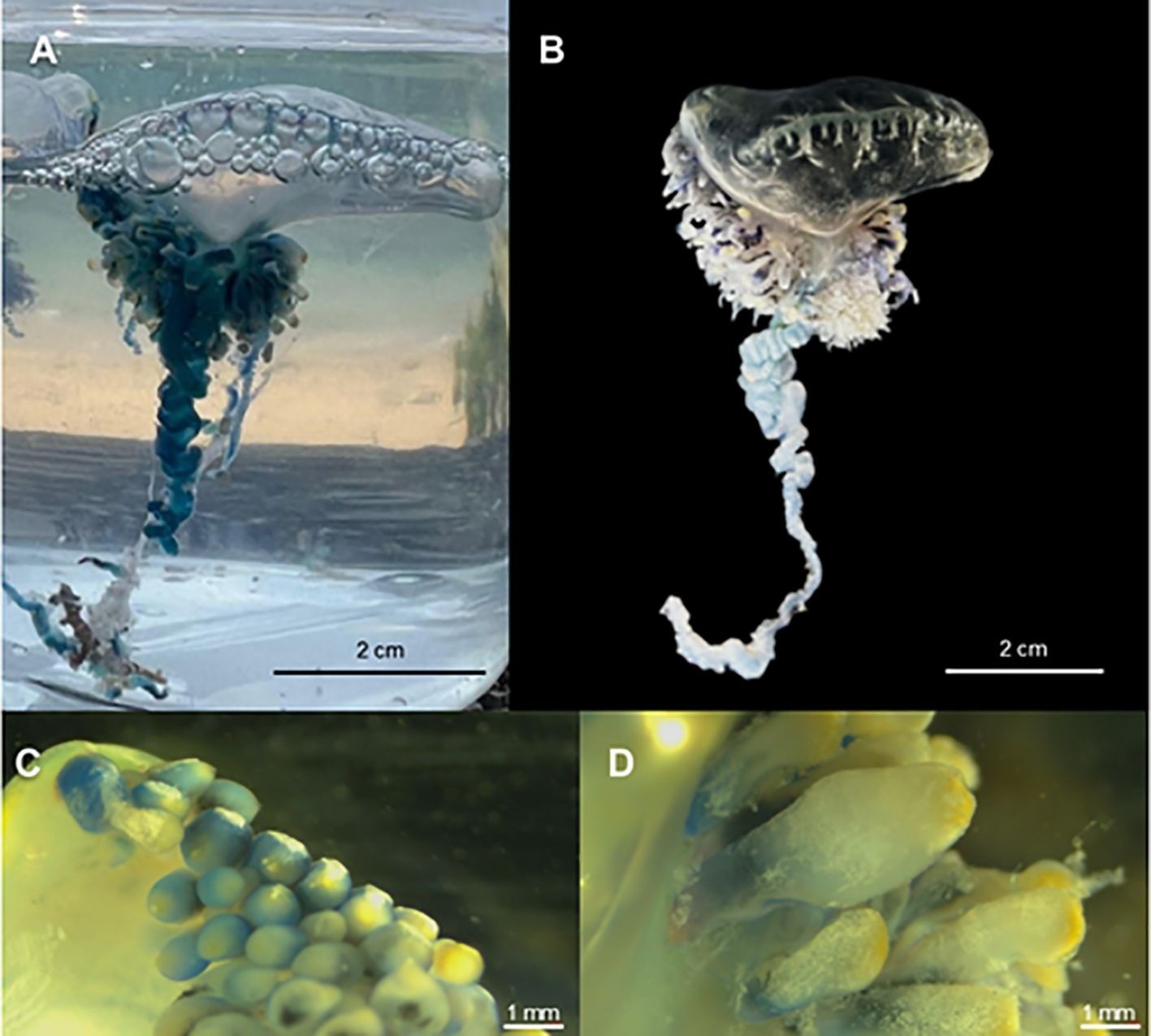
Genetic testing confirmed this as an independent lineage, distinct from known species like P. utriculus, P. physalis, P. megalista, and P. minuta. Morphological traits such as several primary tentacles, unique yellow gastrozooids, and a specialized crest set P. mikazuki apart. These features were thoroughly documented in the scientific publication describing the species.
The researchers noted, “This is the first observation of Physalia in the Tohoku area,” emphasizing the ecological significance of P. mikazuki’s emergence in Sendai Bay as indicative of a major biogeographic transformation.
Tracing Migration with Ocean Currents
Researchers employed oceanographic simulations using HYCOM data to model the likely dispersal route of this species. Findings suggest it drifted northward from Sagami Bay, propelled by evolving surface currents and increasing sea temperatures.
This phenomenon mirrors trends seen with the Nomura’s jellyfish (Nemopilema nomurai), a large gelatinous species that has increasingly become problematic around Japan’s main islands due to its expanding range linked to climate-driven oceanic changes.
The HYCOM-based model aligns P. mikazuki’s appearance with long-term warming trends in the western North Pacific, pinpointing frequent warm-water intrusions and altered wind-driven currents along the eastern Japanese coast as key influences.
The study also recounted a mass stranding event where over 30 individuals were found along 1.5 km of coastline—an unprecedented occurrence—as reported by local media and aquarium experts.
Potential Global Distribution
Genetic evidence indicates that P. mikazuki might have a wider presence, with similar DNA sequences identified in samples from Mexico and Pakistan, pointing to a possible extensive transoceanic range. Molecular data place it within a distinct, previously unrecognized group called B2 in the global Physalia family tree.
This supports a 2025 study by Church et al., which unveiled at least five genetically unique Physalia species, several of which were previously conflated with P. physalis due to the absence of type specimens. The recognition of P. mikazuki adds depth to our understanding of the hidden biodiversity among surface-floating marine life.
In a Popular Mechanics piece, the research team explained that P. mikazuki had gone unnoticed largely because of its close resemblance to P. utriculus, with discovery hinging on careful differentiation of subtle traits.
“While these jellyfish can be intimidating due to their venom, they are fascinating and beautiful organisms deserving further study and classification,” stated researcher Ayane Totsu in the press release quoted by Popular Mechanics.
- Categories:
- News






0 comments
Sign in to Comment