
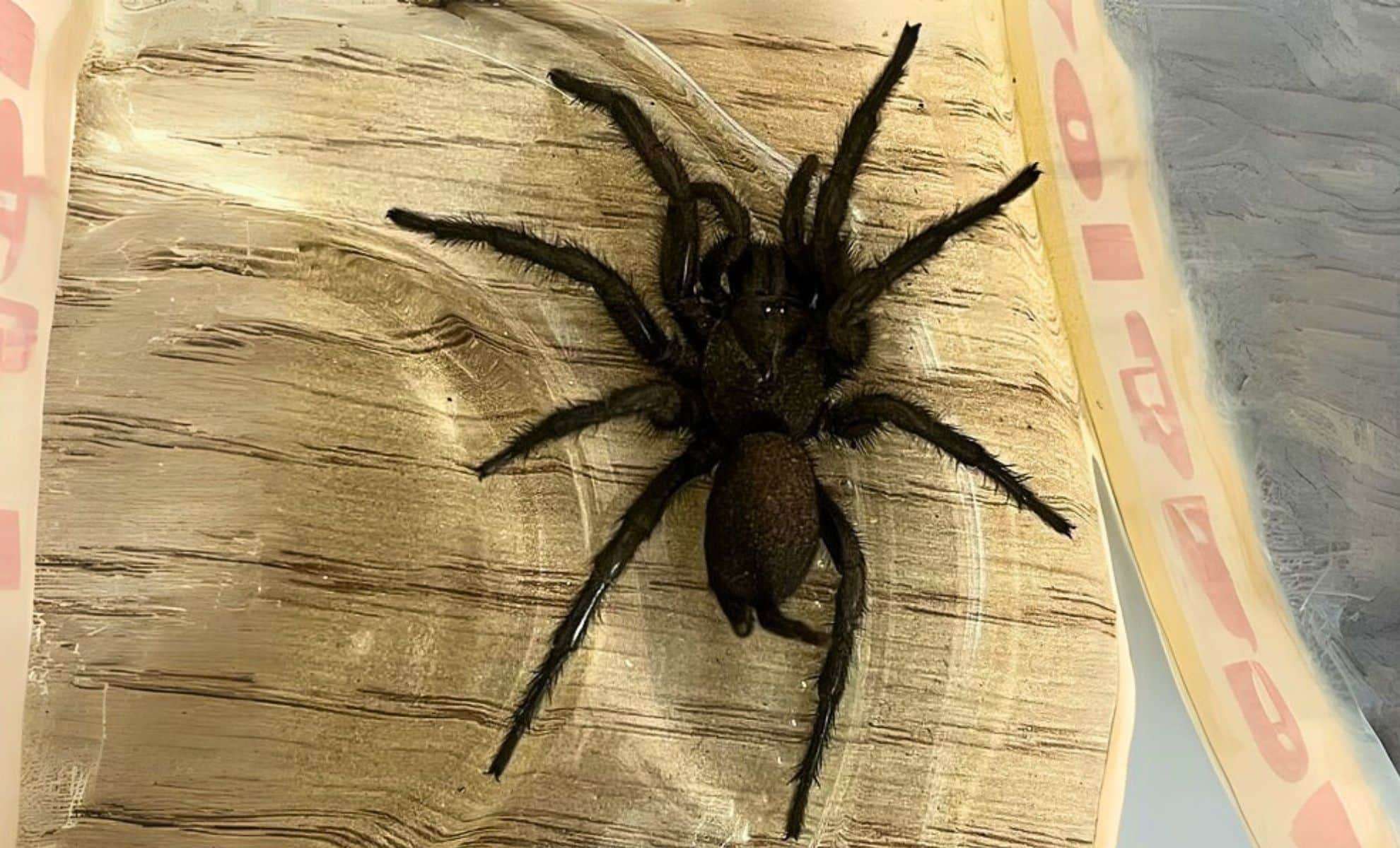
A Spanish funnel-web spider (Macrothele calpeiana), known as the biggest spider native to Europe, has been unexpectedly discovered in the UK at a nursery in West Sussex. The arachnid was found concealed within a shipment of olive trees imported from Córdoba, Spain. This surprising find has captivated arachnid lovers and raised questions about the species’ future presence in Britain.
An Unexpected Guest Among Olive Trees
Picture a nursery worker unloading olive trees and spotting a large, glossy black spider slowly crawling across the yard. This is exactly the scenario that unfolded for a nursery proprietor in West Sussex, who shared the encounter:
“My son, who was driving the forklift, saw it when he drove past. He just saw it out of the corner of his eye walking slowly across the yard. He rang me and said there’s something big just walked across the yard and under a pot.”
Add Cosmo Herald as a Preferred Source

The arachnid had arrived unwittingly among olive trees from Córdoba and was identified as Macrothele calpeiana, Europe’s largest spider since its designation in 1989.
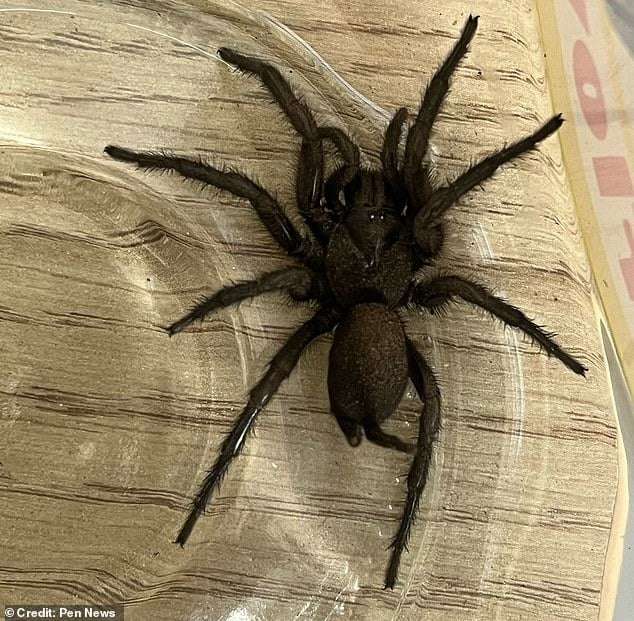
Spanish Funnel-Web Spider: Venomous but Not Lethal
Many associate the term “funnel-web” with the notorious Australian funnel-web, infamous for deadly venom. However, the Spanish funnel-web represents a different genus entirely.
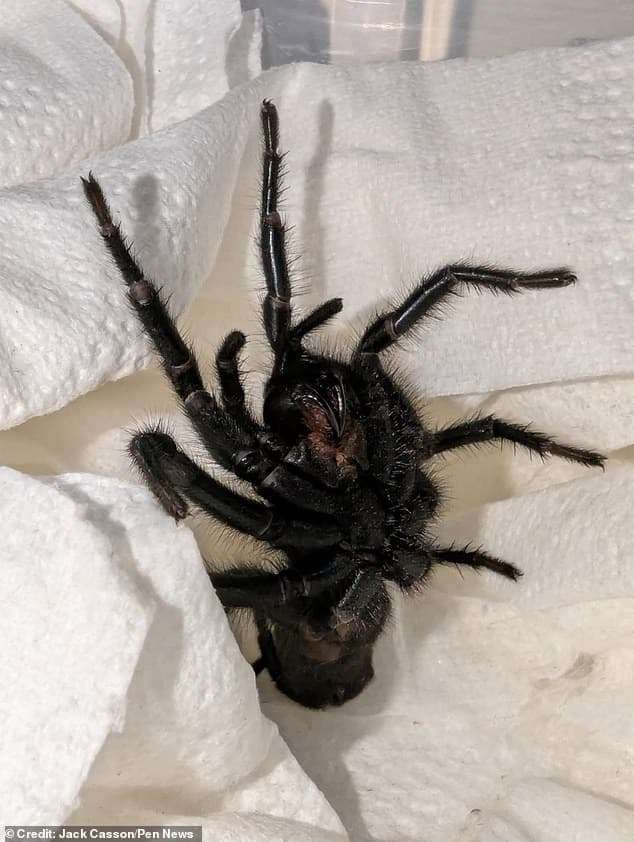
This spider is indeed venomous and equipped with large fangs, yet it is not deadly to humans. According to arachnologist Jack Casson, who is caring for the spider, its venom lacks serious medical consequences:
“The spider is venomous but isn’t medically significant—meaning it can’t kill humans. Although I bet a bite would hurt a lot, I don’t plan on finding out either way.”
Now named Bessie, the female spider has begun to acclimate in her new home located in Hartlepool. She has already started spinning webs and shown a healthy appetite by consuming five crickets quickly.
Is There Potential for These Spiders to Thrive in Britain?
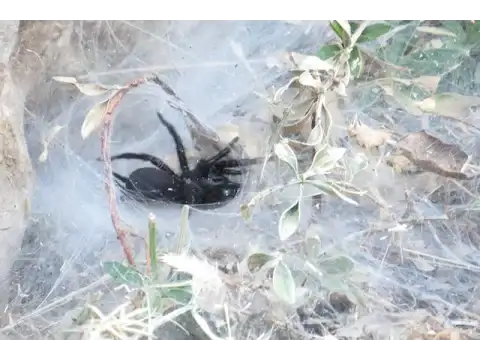
The UK’s colder climate raises doubt about whether Macrothele calpeiana could establish a permanent population. Native primarily to southern Spain, Portugal, and Gibraltar, this spider is protected by European Union conservation guidelines. Though accidental introductions have been noted in France and Italy, Britain's temperate conditions are less favorable.
The preference of these spiders for warmer Mediterranean environments likely limits their ability to survive outdoors in the UK’s cooler weather.
Insights into Global Trade and Biosecurity Risks
This spider’s arrival spotlights a broader biosecurity concern: international plant imports often carry thousands of non-native species unintentionally, some of which threaten local ecosystems.
While Macrothele calpeiana itself is not a significant hazard, its discovery prompts important considerations:
- What other organisms might be smuggled in unnoticed?
- Are existing safeguards adequate to prevent invasive species spread?
- Could future hitchhikers pose more serious risks to native fauna?
Appreciating Rather Than Fearing These Spiders
Bessie’s presence challenges common prejudices against large spiders. Despite its size, the Spanish funnel-web is not aggressive. Spiders play a vital ecological role by controlling insect populations, thereby reducing the need for chemical pesticides and supporting ecosystem health.
Jack Casson hopes this spider’s tale will encourage more positive attitudes toward arachnids:
“Spiders are hugely misunderstood, and people often fear them without realizing how beneficial they are.”
For now, Bessie remains an intriguing example of how global commerce alters natural boundaries and challenges our perceptions of the creatures we share Earth with.
Next time you inspect imported plants, be aware—you might discover an unexpected traveler hiding in plain sight.









0 comments
Sign in to Comment