
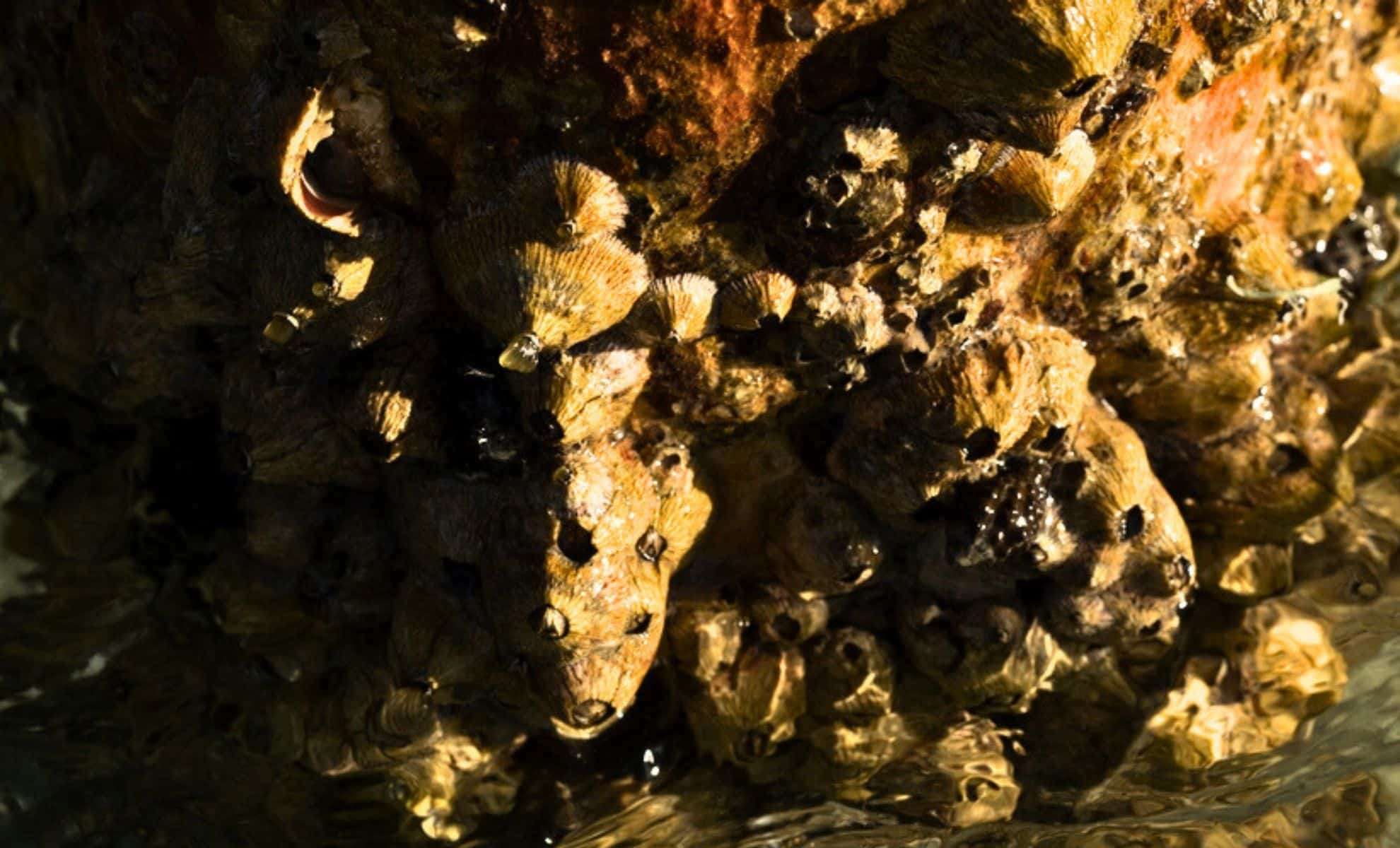
Scientists have identified a non-native barnacle species inhabiting the frigid seas of Arctic Canada for the very first time, signaling significant ecological shifts in a region previously deemed inhospitable to most foreign marine organisms.
Reported in the esteemed journal Global Change Biology on September 8, this finding reveals the debut of Amphibalanus improvisus, commonly referred to as the bay barnacle, within the Canadian Arctic. This resilient crustacean, prevalent in temperate marine environments, is notorious for outcompeting native species and causing damage to maritime infrastructure.
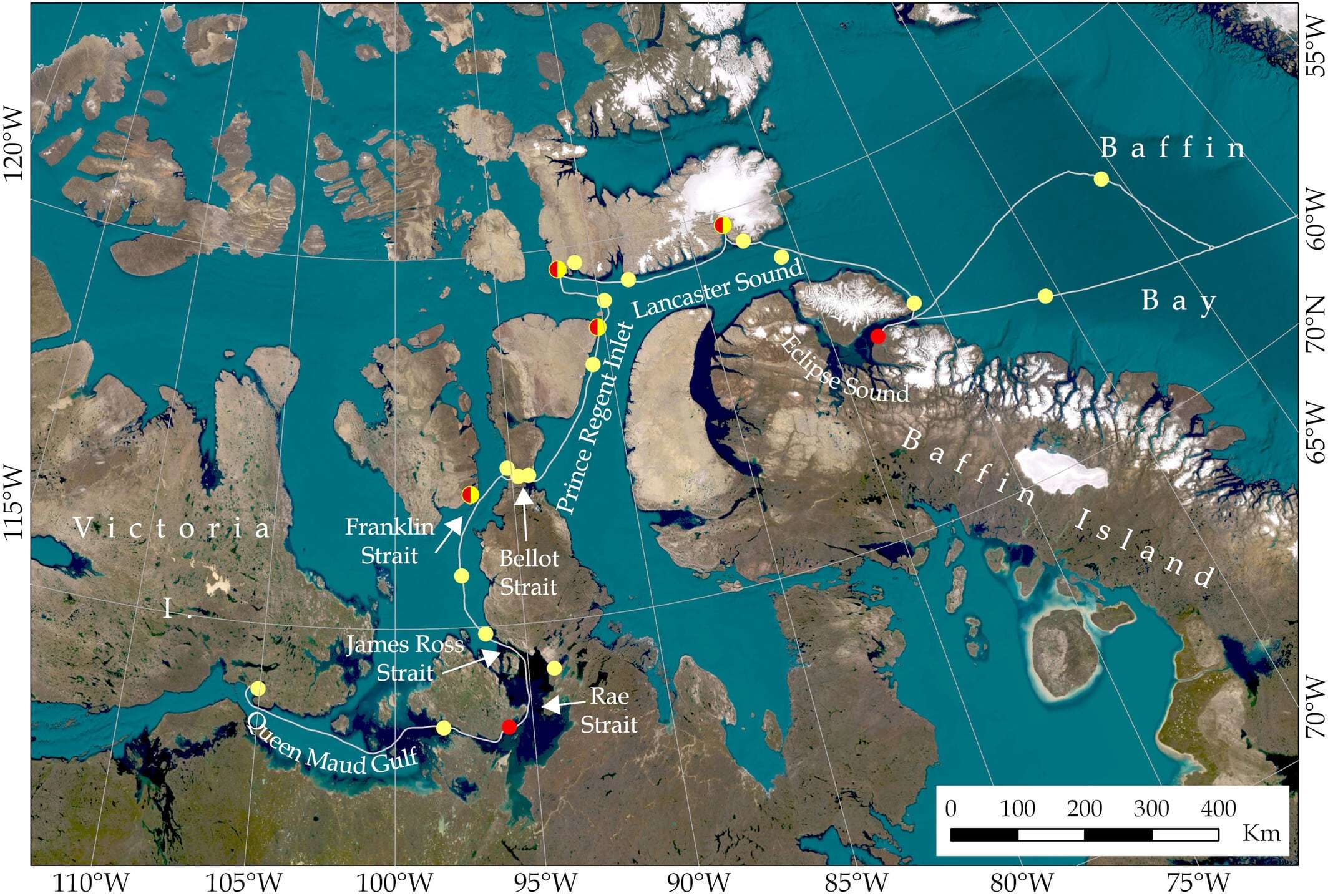
The introduction of this barnacle echoes the ongoing environmental changes: the Arctic’s temperature is rising at four times the global rate, coinciding with a more than 250% increase in vessel movements through the Northwest Passage since 1990. These combined pressures are transforming the Arctic from a secluded habitat to a vulnerable zone for invasive species.

“This is the first confirmed detection of a high-risk invasive marine species in Arctic Canada,” said lead author Dr Elizabeth Boyse, from the British Antarctic Survey. “It raises immediate questions about how many others may already be present, undetected.”
Genetic Analysis Links Barnacle Spread to Intensified Northwest Passage Shipping
Researchers used environmental DNA (eDNA) metabarcoding to identify genetic material left by organisms in seawater samples. They analyzed over 80 samples from 27 sites along the Northwest Passage, a critical Arctic maritime corridor, spanning from Cambridge Bay to Baffin Bay.
DNA sequences of A. improvisus were found in 10 distinct locations, both close to shore and offshore, implying the barnacles are not merely transient but may be establishing populations.
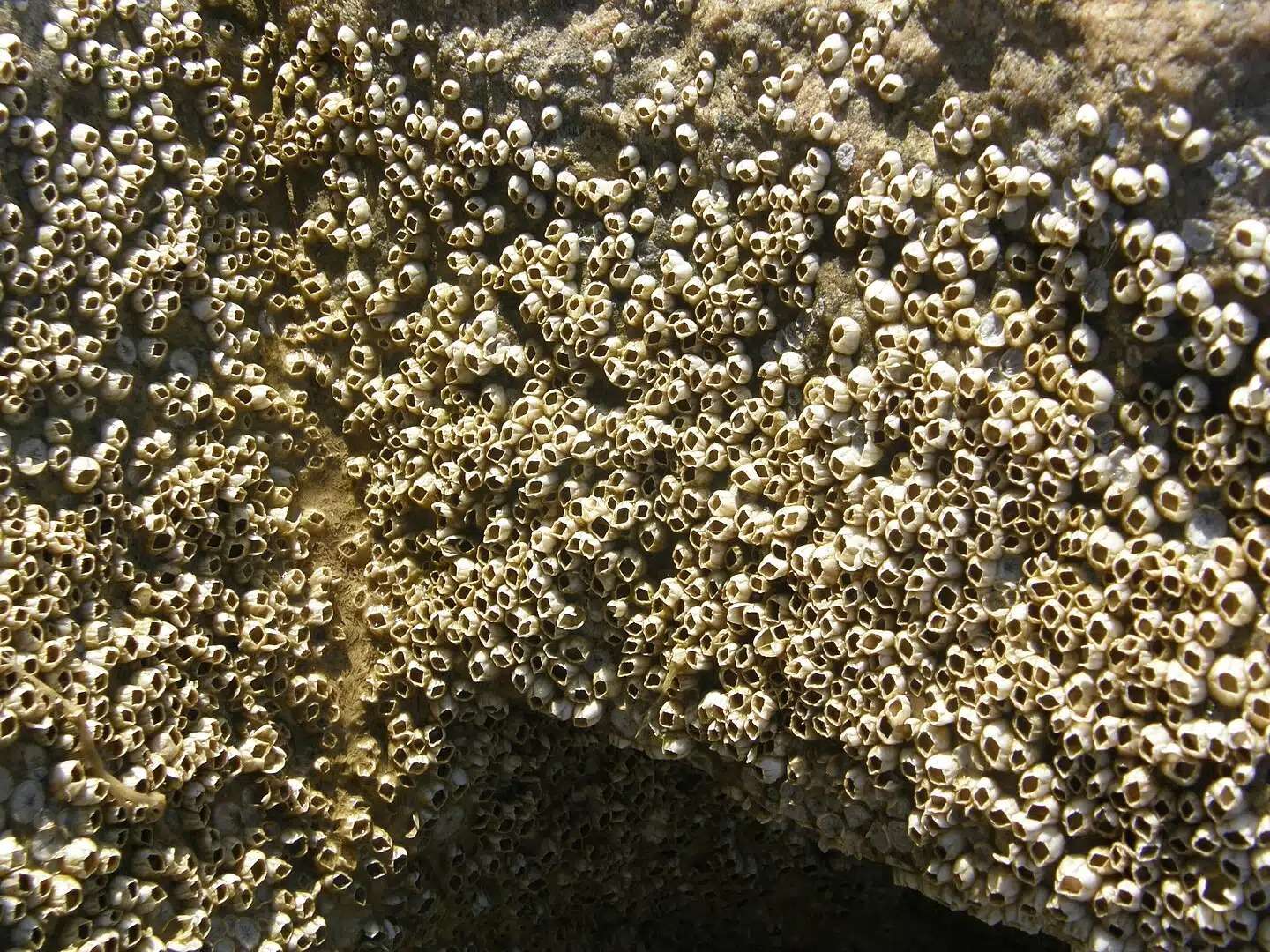
Originally native to the western Pacific region, this species has spread globally over the past century, in part due to its ability to adhere to ship hulls and survive in ballast water. Its broad tolerance for temperatures ranging from -1.8°C to 22.7°C and varied salinity levels makes it particularly suited to the warming conditions of the Arctic marine environment.
“Amphibalanus improvisus has a reputation for being highly adaptable and difficult to control once established,” noted marine biologist Dr Melody Clark, co-author of the study.
Climate Change and Human Activity Facilitate Arctic Ecosystem Shifts
This detection reflects the joint influence of accelerating climate change and increased human presence reshaping Arctic marine ecosystems.
As seasonal sea ice diminishes earlier every year, new maritime routes such as the Northern Sea Route and the Northwest Passage are opening up. Data from the Arctic Council indicates a significant rise in ship numbers operating in Arctic Canadian waters, especially cargo and cruise ships.
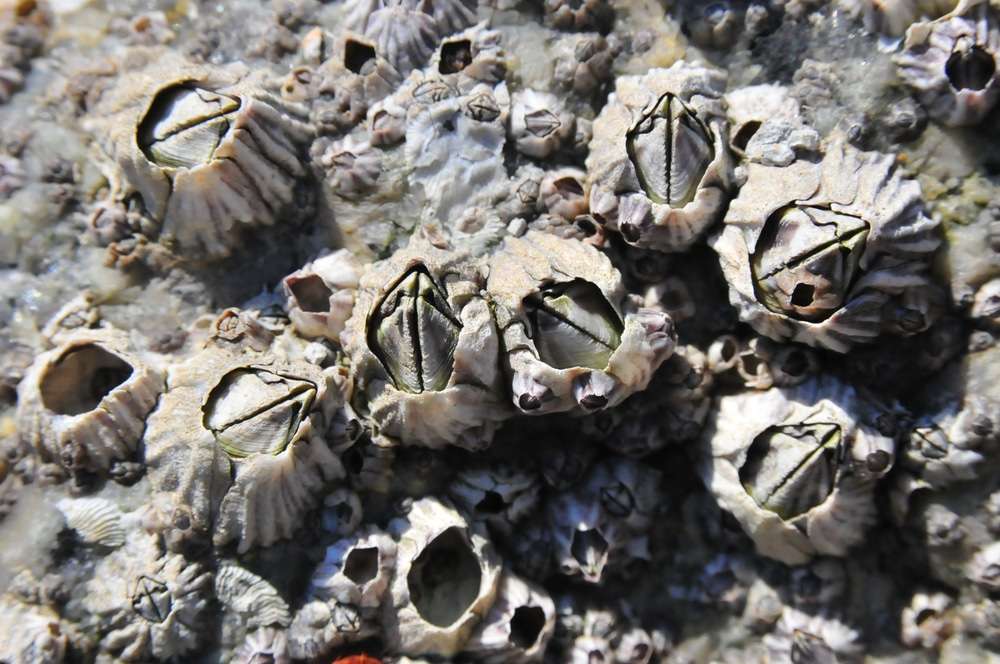
Ships facilitate the spread of invasive species by releasing ballast water, scraping ice surfaces, and creating warm niches along their hulls. This barnacle species is not alone; numerous non-native marine organisms were detected through DNA analysis, although they are not all confirmed as established invasives.
Further complicating the picture are the limited biodiversity assessments in Arctic Canada, making it difficult to discern whether these species are newly arrived or previously undetected. Certain areas, like Pond Inlet in Eclipse Sound, exhibit reduced genetic diversity despite heavy marine traffic and tourism, hinting at possible environmental strain.
Ecological Disruptions and Economic Risks Ahead
Though small, the bay barnacle can cause significant disruption. Elsewhere, it has led to millions of dollars in damage by clogging water intake systems, harming aquaculture operations, and outcompeting native filter-feeding species. In the Arctic’s delicately balanced ecosystems, such disturbances could cascade across the food chain, affecting species from microscopic plankton to top predators like polar bears.
Currently, there is no confirmed evidence that A. improvisus has established a breeding population in the Arctic, as its presence is established only through DNA detection rather than direct observation.
However, with rising ocean temperatures and prolonged open-water seasons, conditions for invasive species to establish themselves are becoming increasingly favorable. Once established, management options are expected to be very limited.
Authors of the study call for improved early-warning systems, greater involvement of Indigenous knowledge in monitoring programs, and stricter controls on ballast water discharge. Methods like eDNA monitoring offer a promising, minimally invasive approach to tracking biological changes, critical as the Arctic faces unprecedented ecological challenges.




0 comments
Sign in to Comment