
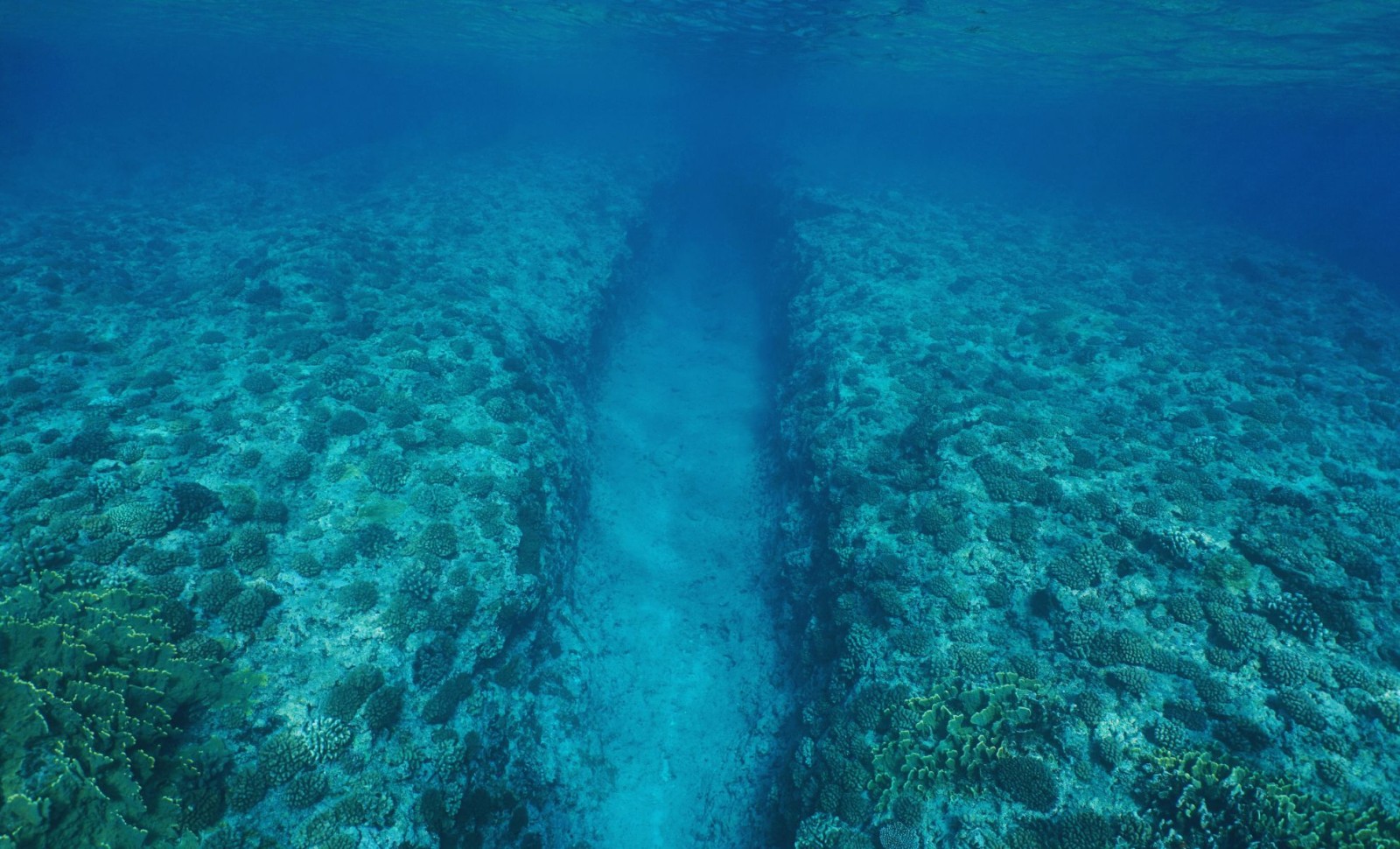
Recent investigations near Vancouver Island in the Pacific Ocean have revealed that a portion of the oceanic crust beneath the North American Plate is gradually fracturing. Researchers analyzing seismic readings detected extensive faults and deep fissures beneath the seabed, signaling that the tectonic plate’s integrity is deteriorating internally.
Subduction zones are among Earth's most dynamic geological features, responsible for triggering earthquakes, fueling volcanic eruptions, and continuously altering the planet’s surface. New evidence now confirms that these zones are not permanent; they deteriorate incrementally, breaking into smaller fragments that slowly reshape tectonic boundaries over time.
Ocean Floor Cracking Near Vancouver Island
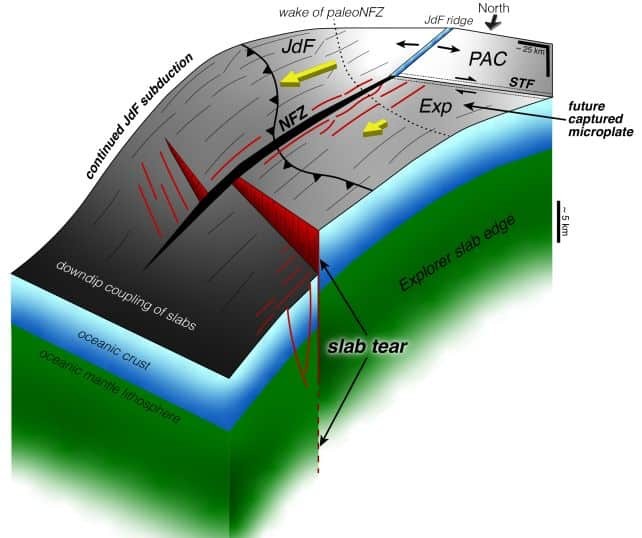
During the 2021 CASIE21 expedition, a research group led by Brandon Shuck from Louisiana State University examined the Cascadia subduction zone, where the Juan de Fuca and Explorer plates are descending beneath the North American continent. According to ScienceDaily, they discovered an extensive fault line approximately 75 kilometers in length cutting through the Explorer plate, actively tearing it apart.

The researchers used sound wave pulses emitted from a ship and captured reflections via a 15-kilometer array of ocean sensors. These seismic scans exposed profound fractures and a vertical displacement with one segment having sunk nearly five kilometers, as Shuck detailed in a Louisiana State University announcement.
Some regions have experienced a cessation of seismic signals, suggesting that certain plate fragments have disengaged completely from the subduction process.
Gradual Disintegration Marks the End of Subduction Zones
The way subduction zones cease activity has been uncertain for years. This recent study from Science Advances reveals that plates disassemble progressively rather than collapsing all at once. Shuck likened the process to “observing a train derail one carriage at a time.” The detaching segments evolve into microplates, each forming distinct tectonic boundaries.
Evidence from geological records — like zones of volcanic rock of differing ages — supports this pattern of episodic tectonic shifts. This also clarifies the presence of isolated plate remnants found near Baja California. As ScienceAlert explains, these “fossil plates” can be interpreted as vestiges of ancient subduction systems that disintegrated gradually.
Implications for Earthquake Risk and Geological Evolution
While these findings do not immediately alter earthquake risk assessments for the Pacific Northwest, they may refine understanding of seismic hazards along complex fault systems. Certain zones remain capable of generating significant earthquakes and tsunamis. Insight into how new fractures and microplates influence seismic energy flow could enhance hazard models and preparation strategies.
On a broader scale, this tectonic breakup reshapes Earth’s crust by forming “slab windows”: gaps where hot mantle material rises near the surface, sometimes leading to renewed volcanic activity. This pattern is well documented in regions affected by past plate fragmentations, with Cascadia providing an exceptional contemporary example of the phenomenon.
- Categories:
- News



0 comments
Sign in to Comment