
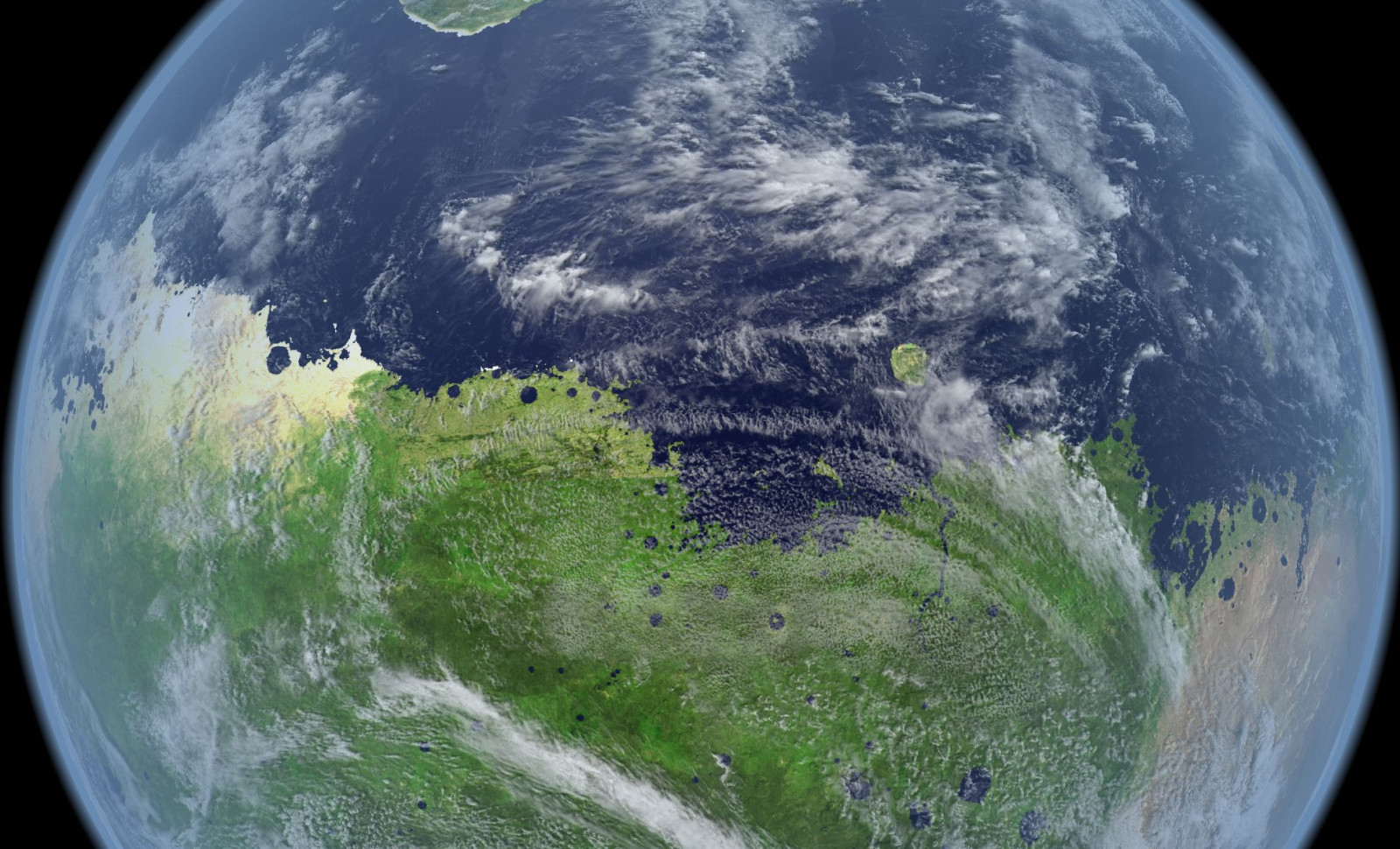
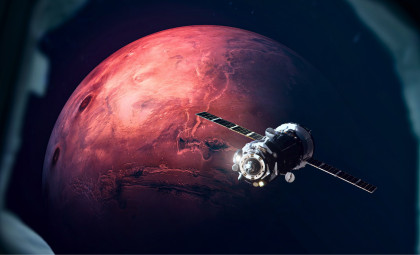
The prospect of transforming Mars into a livable environment for humanity has long captivated both researchers and science fiction enthusiasts. A newly released workshop report for the 2025 Green Mars Workshop presents the argument that recent progress in space technology, synthetic biology, and climate modeling now warrants serious scientific exploration of terraforming, even though practical implementation remains distant.
Authored by Dr. Erika DeBenedictis, CEO of Pioneer Labs, the document indicates a shift in discourse from questioning the feasibility of terraforming toward evaluating the specific challenges and ethical considerations involved.
Initiating Mars’ Climate Warming
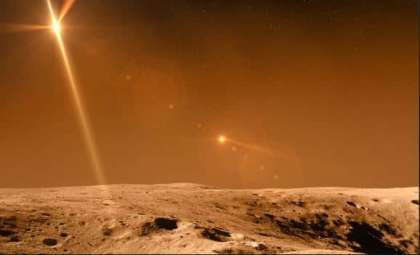
The proposed plan begins with a fundamental step: Mars must first undergo a significant increase in temperature before any vegetation can sustain itself. The workshop report outlines aims to boost the planet’s average temperature by tens of degrees over several decades through the deployment of engineered aerosols or synthetic greenhouse gases.

This warming would help trap heat within Mars’ thin atmosphere, fostering less extreme environmental conditions. The report also emphasizes Mars’ vast frozen water reserves, which could potentially be melted to form an ocean spanning close to four million square kilometers with an approximate depth of 300 meters.
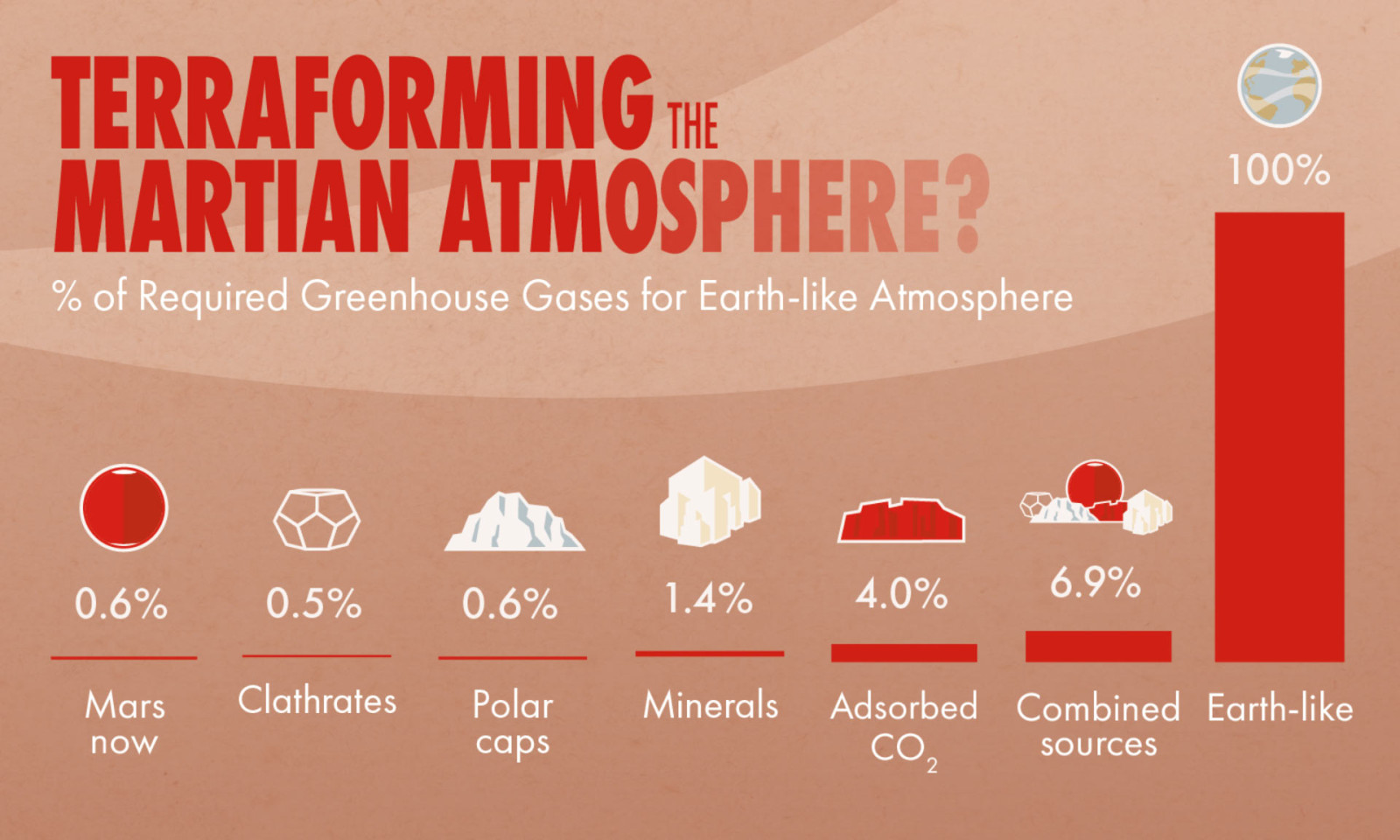
If temperatures rose by about 30 degrees Celsius, partial melting of the ice could occur, enabling the presence of liquid water on the surface— a vital milestone since liquid water is essential for all subsequent stages of terraforming.
Harnessing Microbial Life to Transform the Atmosphere
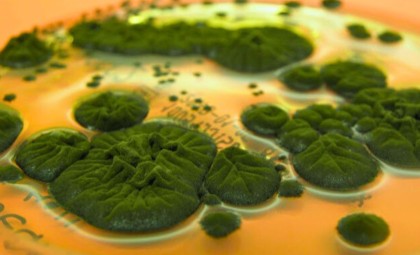
After Mars becomes somewhat more hospitable, the plan involves introducing engineered microorganisms known as extremophiles. These hardy microbes, which survive in some of Earth’s most challenging habitats, would be genetically modified to endure traits like radiation, extreme cold, and low atmospheric pressure.
As explained by Dr. Erika DeBenedictis, such microorganisms could proliferate over the Martian terrain in algae-like mats within decades, performing photosynthesis that gradually alters the atmosphere.
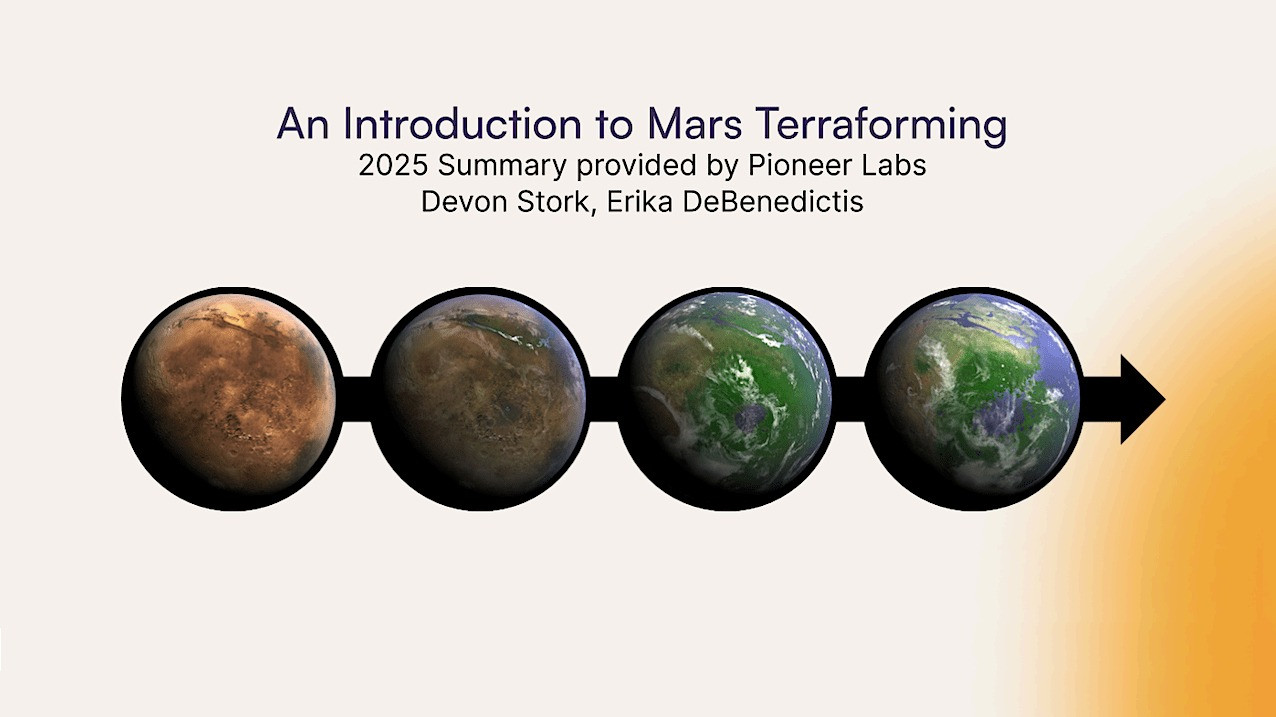
Despite this promising approach, the process of producing sufficient oxygen to sustain complex life forms naturally would take around a millennium according to the workshop summary. Meanwhile, initial settlers would likely live within domed habitats approximately 100 meters in height, relying on oxygen generated via photosynthesis or water electrolysis.
Remaining Challenges and Ethical Concerns
Significant unknowns remain, such as what exists beneath Mars’ massive ice caps and how the planet’s notorious dust storms might evolve in a warmer, wetter climate.
The document also highlights uncertainty regarding the availability of resources needed for large-scale water electrolysis, questioning whether these materials exist locally or must be brought from Earth.
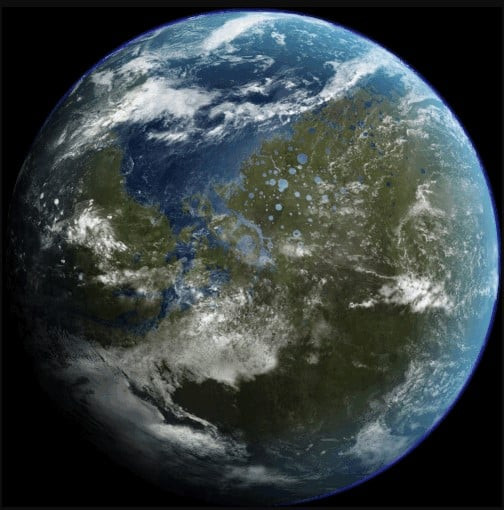
The report raises important ethical dilemmas, noting that altering Mars irreversibly could erase key scientific evidence of its natural history. It also cautions about the potential destruction of undiscovered native microbial life by terrestrial organisms introduced during terraforming efforts.
On a positive note, the workshop summary emphasizes that technologies developed for Mars colonization, including drought-resistant crops, closed ecological life support systems, and eco-friendly innovations, could have valuable applications on Earth.
- Categories:
- Science






0 comments
Sign in to Comment