
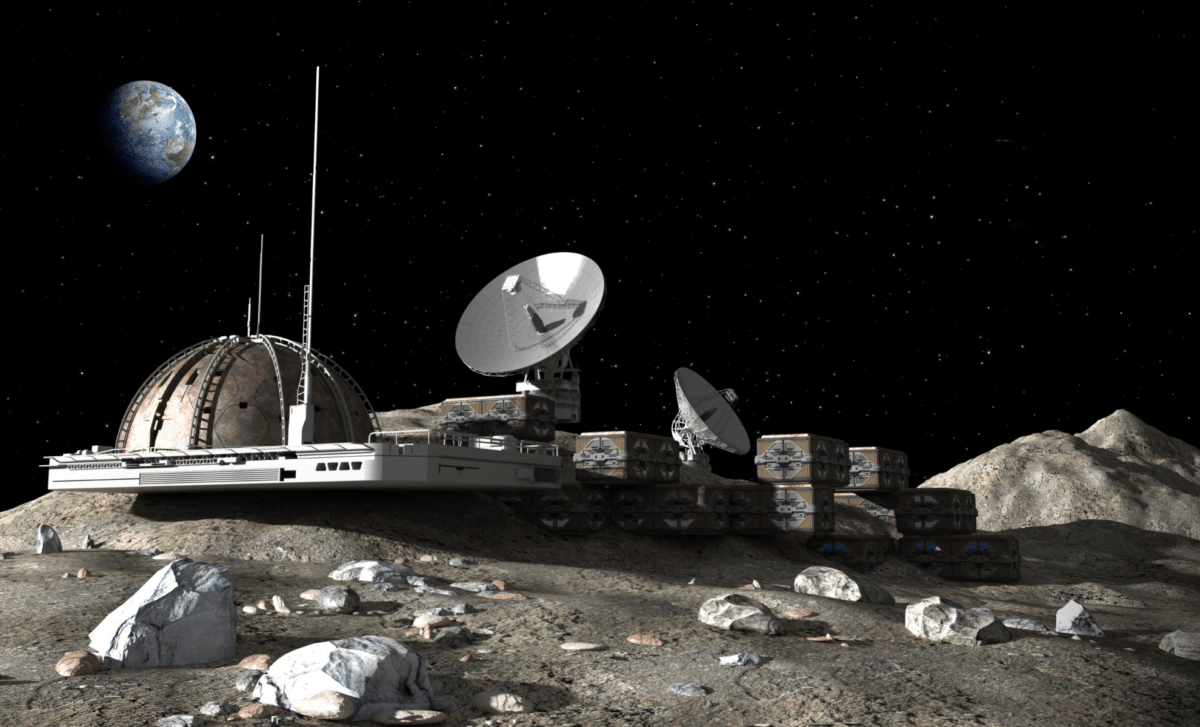
As humanity gears up to retrieve samples from the Moon, Mars, and other celestial bodies, a critical question arises: what if these materials carry unknown extraterrestrial life? Though still speculative, some experts warn that the risks of introducing alien organisms to Earth's environment could be too great to overlook. In a recent publication in the journal Ambio, researchers call on NASA to develop a cutting-edge containment facility on the Moon dedicated to quarantining and studying space-returned samples prior to their arrival on Earth.
The Case for a Space-Based Biological Containment Solution
For years, planetary protection protocols have aimed to avoid contamination in both directions between Earth and other planets. However, bringing back samples from Mars and beyond is extending these concerns into new realms. Scientists increasingly understand that while discovering life beyond Earth would be monumental, it also introduces unprecedented biological risks that need careful management.
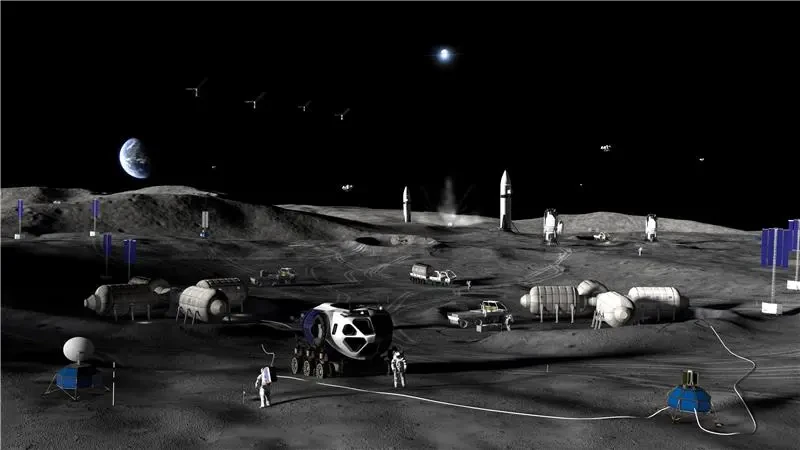
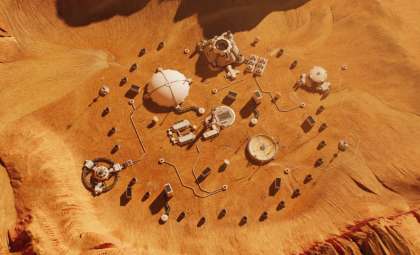
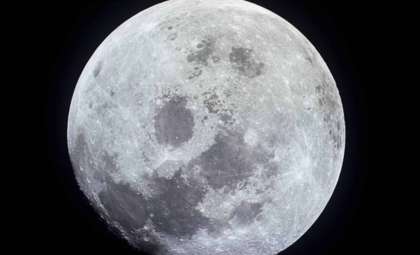
The proposed concept involves creating a high-security quarantine and research station on the lunar surface, where extraterrestrial materials can be safely examined before being authorized for transport to our planet. Located nearly 240,000 miles away, this lunar outpost would offer a remote monitoring and containment zone for any potentially hazardous specimens.

The team behind this idea points out that the current methods for handling unknown biological agents on Earth might fall short. Although space missions follow rigorous biohazard protocols, no terrestrial lab can entirely guarantee complete containment of alien life forms with untested characteristics. As sample-return expeditions increase in scale and frequency, failure to contain such organisms could have irreversible impacts.
Lunar Surface as a Biological Shield for Earth
The concept is elegantly simple yet groundbreaking. Spacecraft would deliver extraterrestrial samples to a secure Moon base, rather than directly to Earth. Automated robotic systems would manage all processes including analysis, containment, and testing to reduce human contact and minimize accident risks.
The Moon offers a unique strategic advantage due to its distance, acting as a natural barrier. Any accidental release within the facility would be confined from Earth’s ecosystems, giving scientists critical time to investigate and mitigate potential dangers.
“Humanity is entering a new era of space exploration, but our planetary protection strategies have not kept pace with the risks associated with returning extraterrestrial samples to Earth,” said paper co-author Frederick I. Moxley, Director of Strategic Threat Analysis and Research Laboratories, an Idaho-based consultancy.
“The proposed facility would essentially act as a firewall between Earth and any potentially hazardous live organisms that could accompany returning future space missions,” said Moxley, whose co-author is Anthony Ricciardi, a James McGill Professor of Biology and the Director of the Bieler School of Environment at McGill University.
This initiative reflects growing recognition that future space missions will be about more than collecting inert space rocks. Searching for signs of life, past or present, entails navigating biological uncertainties that demand extraordinary safeguards.
Insights from Invasive Species Inform Researchers’ Concerns
The impetus for this study draws heavily from ecological lessons on Earth. The introduction of invasive species has repeatedly shown how organisms transplanted into ecosystems without natural predators can lead to rapid, often irreversible environmental disruption.
The authors of the study, featured in the journal Ambio, argue these examples provide a relevant analogy for managing the risks posed by alien biological material. While the chances of encountering extraterrestrial microbes remain unknown, the stakes involved in allowing possible contamination are extraordinarily high.
“Decades of research on invasive species have demonstrated how an organism introduced to the wrong place at the wrong time can spread uncontrollably with potentially devastating and irreversible long-term impacts on ecosystems,” said Ricciardi, an expert on biological invasions. “This research justifies a strong precautionary approach against introductions of extraterrestrial origin.”
The authors emphasize that their recommendations do not stem from any current indication that alien life forms exist or pose direct danger. Instead, they advocate for proactive risk management, maintaining that waiting to respond until evidence of a biological threat emerges would be far more hazardous than preparing preventive mechanisms in advance.
- Categories:
- News







0 comments
Sign in to Comment