
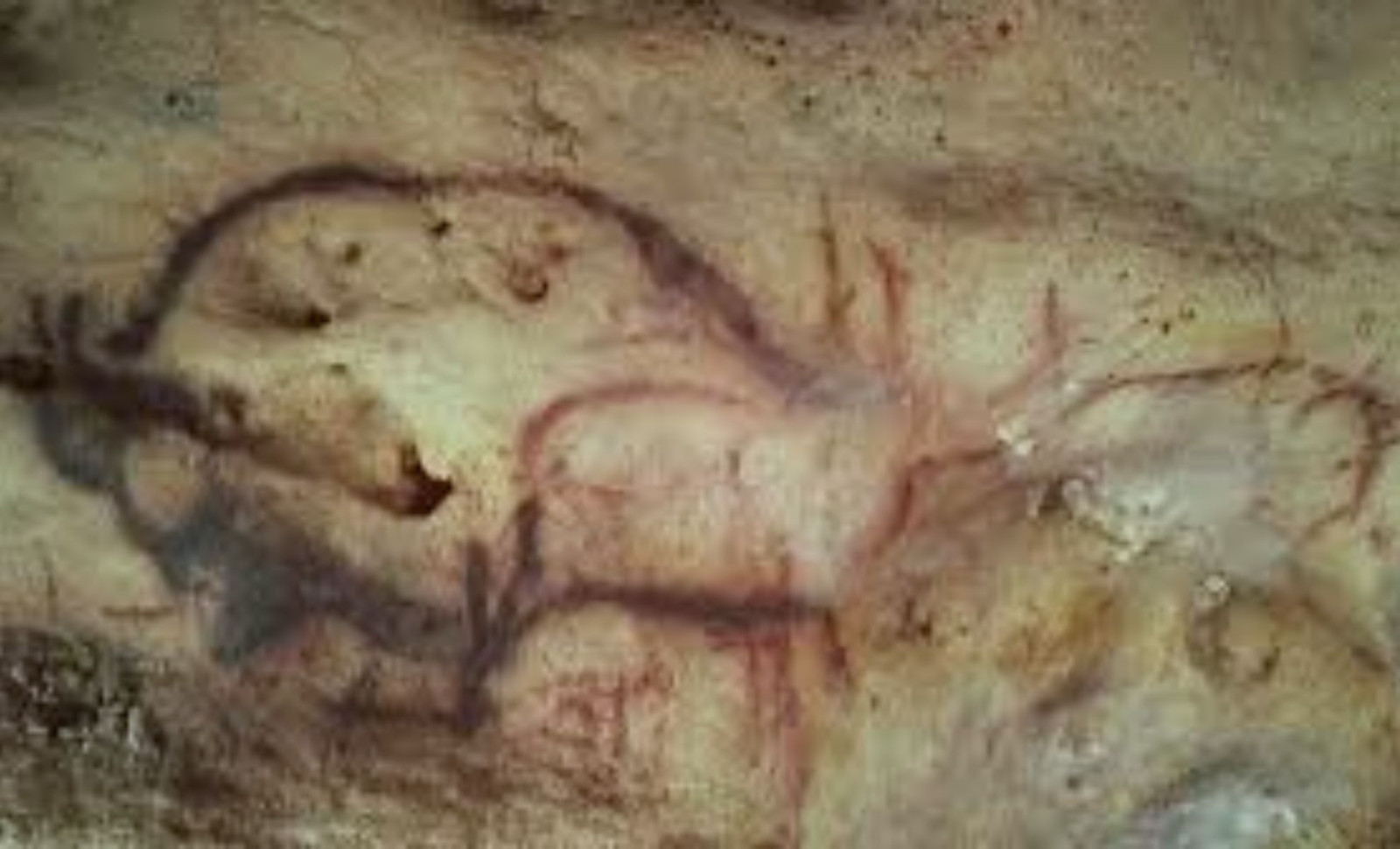
Researchers have successfully established that the black illustrations inside the renowned prehistoric cave Font-de-Gaume in southwestern France date back roughly 13,000 to 16,000 years. This achievement resolves a longstanding debate and presents rare evidence derived directly from the pigments used in the art.
Dating many cave paintings in the Dordogne area has long been challenging for archaeologists. The main difficulty stemmed from the belief that most black images were created with mineral-based pigments, which cannot be reliably dated with radiocarbon techniques.
A recent paper published in the Proceedings of the National Academy of Sciences overturns this assumption. By detecting charcoal-derived pigments in several Font-de-Gaume drawings, scientists could perform direct dating on the artworks themselves.

Charcoal as a Vital Clue in Dating
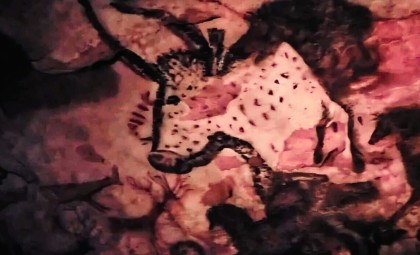
The pivotal discovery involved two images near a cave intersection: a bison and a mask resembling a face. Minute amounts of black pigment were preserved on the rock surface, enabling researchers to analyze their composition.
Through reflectance imaging spectroscopy, which examines how surfaces reflect light, the team identified charcoal rather than manganese minerals as the black pigment source. This distinction is critical because charcoal originates from burnt wood and contains organic carbon, which can be aged using radiocarbon dating.
After confirming the pigment type, tiny samples were carefully taken from the drawings, minimizing damage to the protected archaeological site. The study highlights this method as a significant advance since dating prehistoric wall art often proved impossible without organic materials present.
The Paintings Date Back to the Ice Age Era
The carbon dating results place the bison between 13,461 and 13,162 years ago, within the Paleolithic timeframe.
The mask's pigment dates to an even earlier period, with samples from its lips indicating ages of approximately 16,000 to 15,300 years ago, confirming its origin in the Ice Age. Notably, one sample from the mask’s left eye yielded a much younger date near 9,000 years ago.
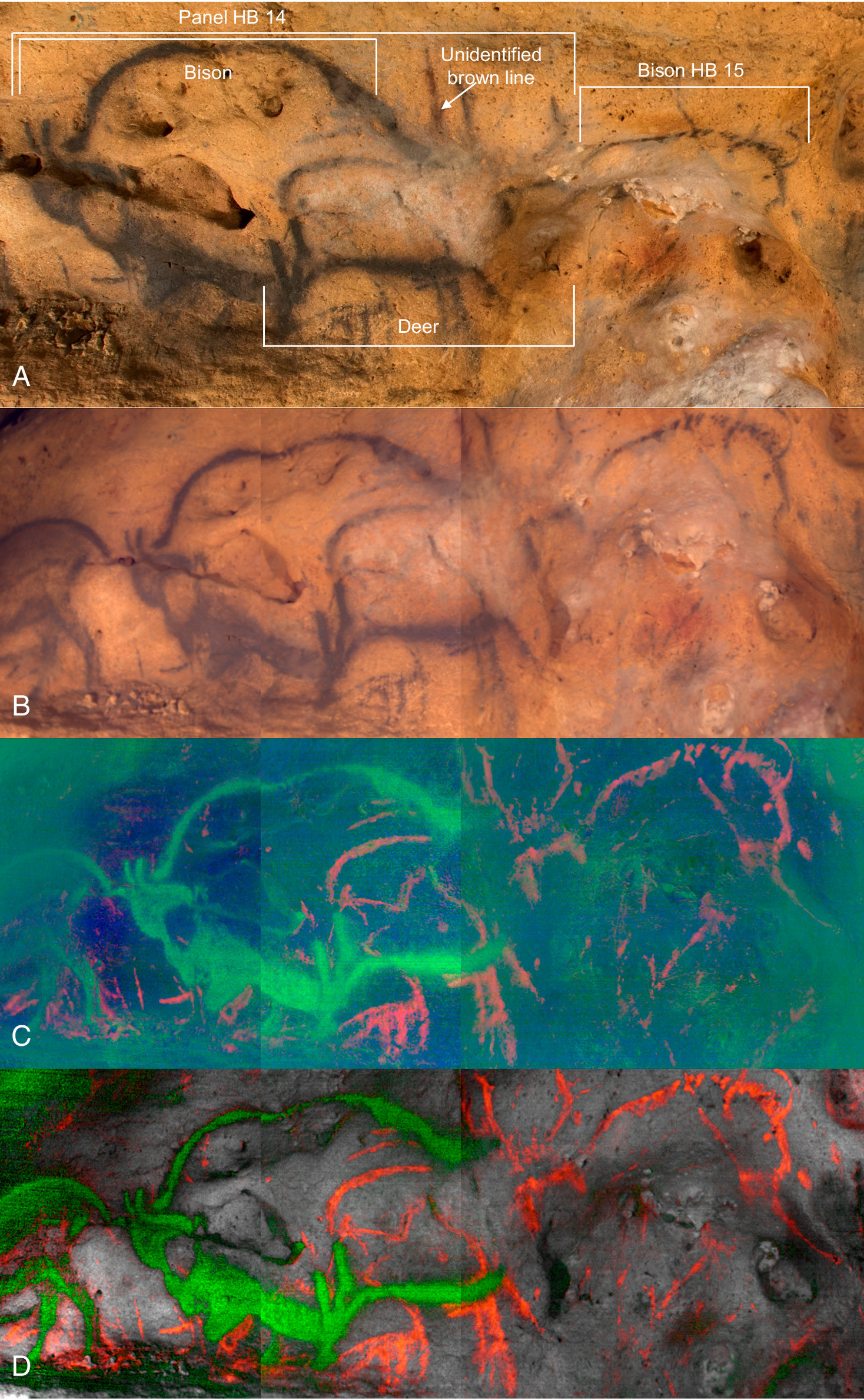
Researchers attribute this discrepancy to contamination. Over millennia, cave walls can accumulate newer carbon from sources like smoke, moisture, and human interactions. Given the minuscule size of the samples, even slight contamination can skew results. Despite the anomaly, the data strongly supports a Paleolithic origin for these artworks.
New Horizons for Cave Painting Studies
This discovery could extend its influence beyond the Font-de-Gaume site. Past investigations indicated many black figures at the cave were charcoal-based, challenging the earlier belief that black pigments in Dordogne’s cave art were solely mineral-derived.
Moreover, some charcoal drawings appear underneath manganese-painted ones, implying artists revisited the site multiple times, layering new images over old. Direct pigment dating now allows a more precise understanding of these layers instead of relying mainly on stylistic guesses.
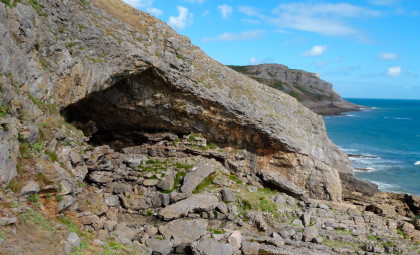
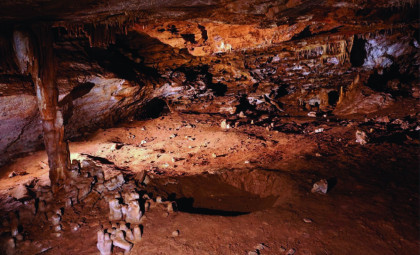
Located in Les Eyzies, Font-de-Gaume displays over 200 painted and engraved figures and remains among the few prehistoric caves open to the public. It forms part of the Vézère Valley, a UNESCO World Heritage site hosting 147 prehistoric locales and 25 decorated caves. Lead investigator Ina Reiche confirmed that these findings offer experimental proof of the cave art’s Paleolithic timing.
“This result represents a scientific breakthrough and a paradigm change with implications for the Paleolithic cave art in the Dordogne region and the broader field of prehistory,” she added.
- Categories:
- Science





0 comments
Sign in to Comment