
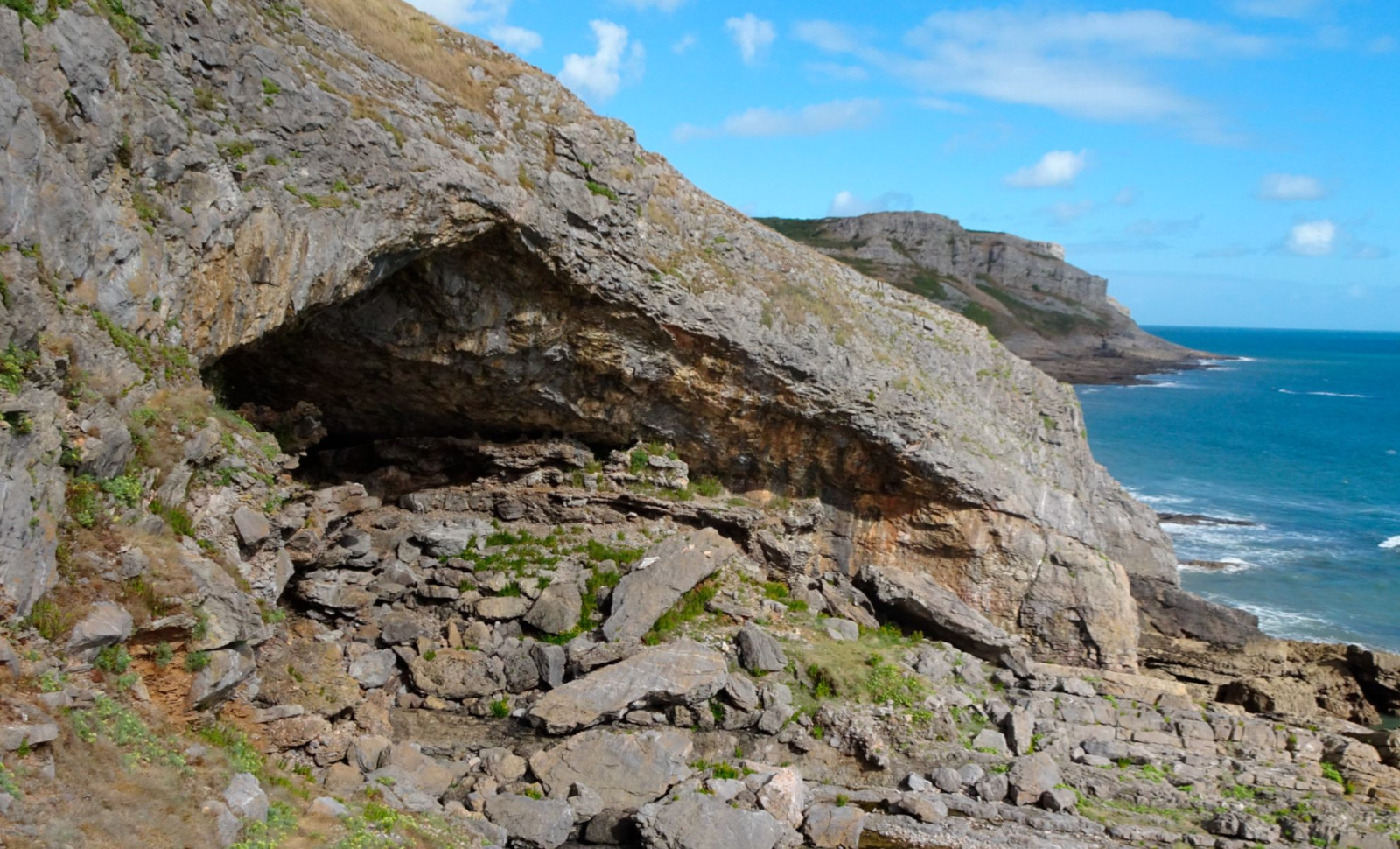
Researchers have verified that a series of red markings found deep within a Welsh cave represent the oldest known rock art in the UK. Their analysis dates these paintings to between 18,300 and 15,700 years ago, resolving a longstanding archaeological debate.
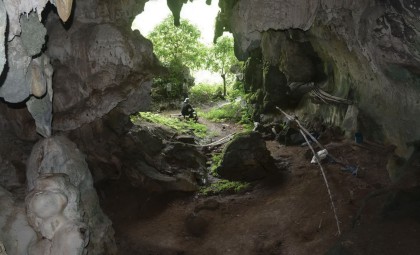
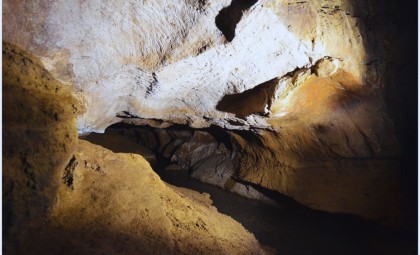
This artwork was discovered in Bacon Hole, a cave perched on the Gower Peninsula’s coast in southwest Wales. The panel features eleven red horizontal lines, initially thought to have been created by Upper Paleolithic humans when first found in 1912.
Yet skepticism emerged early on, with some specialists contending that these lines might be natural cave formations rather than human-made. After the original location was lost over time, interest waned until 2022, when scientists relocated the site and applied advanced dating techniques.

A Century-Old Mystery Resurfaces
When first reported in 1912, the red-lined panel drew considerable attention as a potential British Upper Paleolithic artwork.
However, doubts surfaced by 1928, with many experts suggesting natural phenomena were responsible for the markings. Since the site became difficult to access, the debate stalled (source).
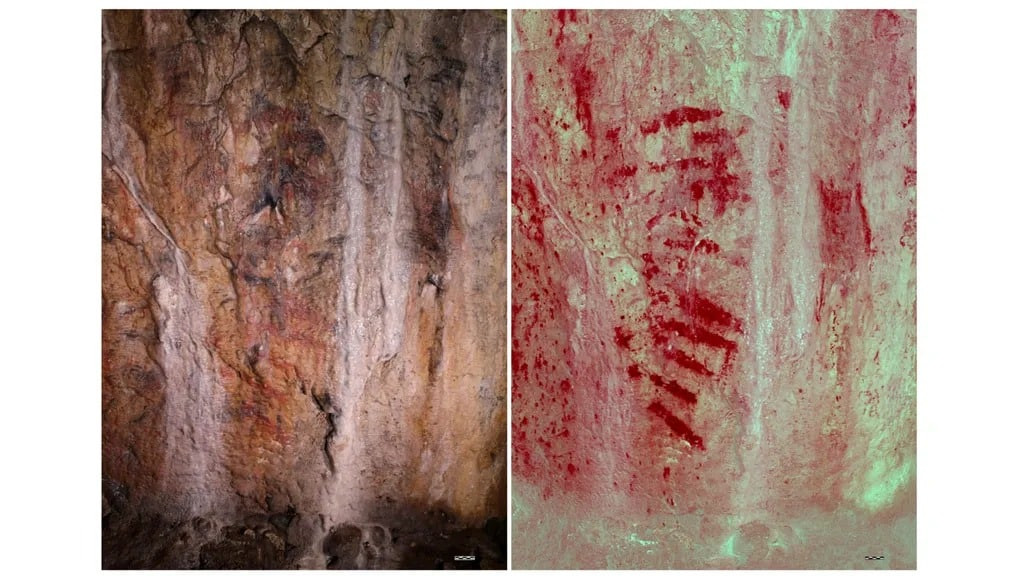
The study published in Quaternary details how, in 2022, an international team rediscovered the artwork, reigniting research that had been stalled for over a century.
Dating Reveals Ice Age Origins
Scientists applied uranium-thorium dating to a thin calcite layer formed over the pigment. Their results placed the art’s creation between 18,300 and 15,700 years ago. These findings establish Bacon Hole as home to the British Isles’ oldest confirmed rock art (more info).
The red pigment, sourced from hematite—an iron-rich mineral naturally present within the cave—was used to create eleven parallel horizontal lines, whose consistent pattern strongly suggests intentional human design.
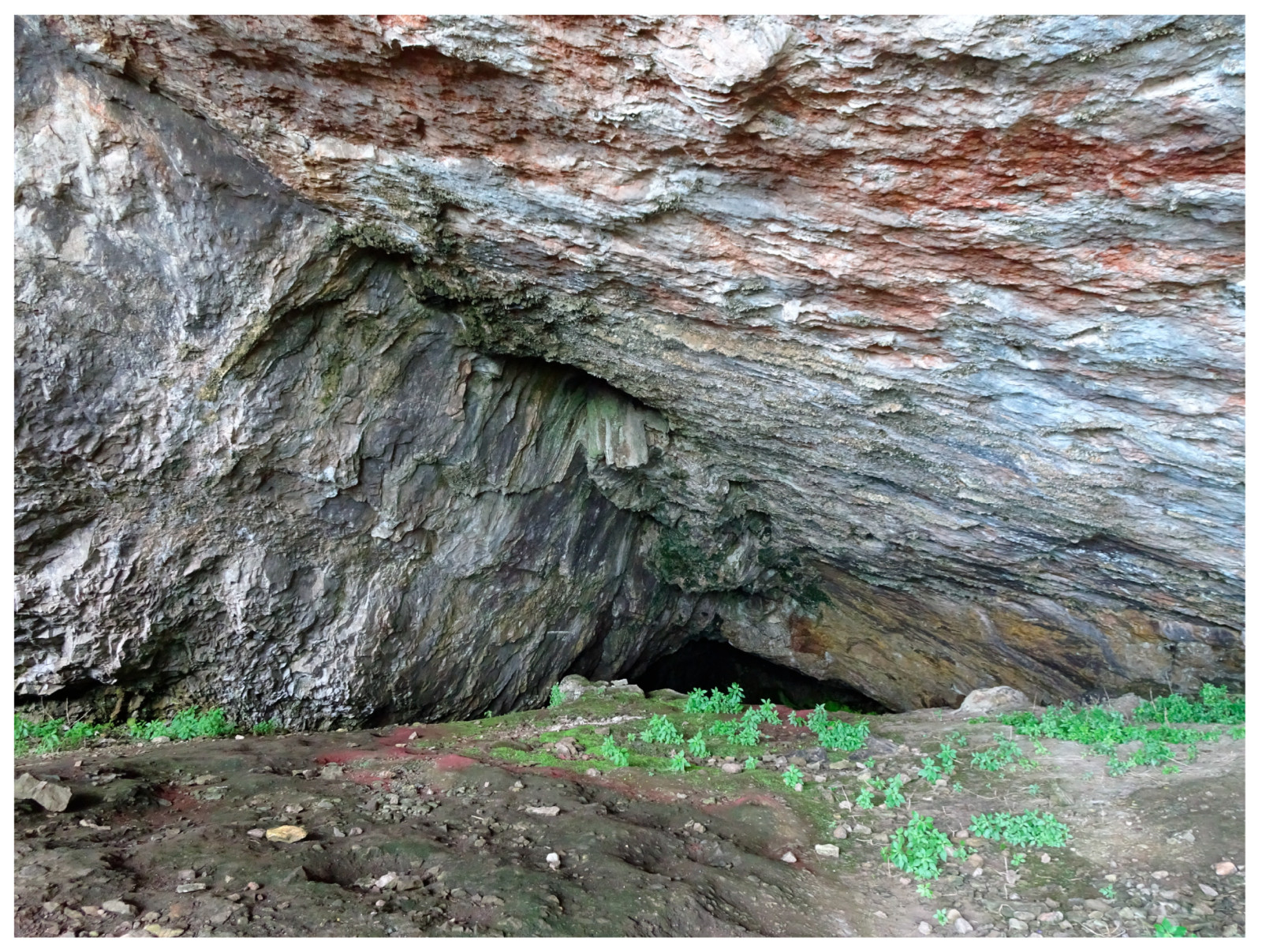
Additional evidence includes fingerprints and scattered hematite stains throughout the cave, reinforcing the idea of deliberate pigment use by prehistoric people.
The researchers caution that these conclusions are based on a single data set, highlighting the need for further analysis of the cave walls to fully validate their findings.
The Enigma Behind the Paintings
While the study confirms human origin, the exact reason for painting these lines remains unclear. Lead author and University of Liverpool archaeologist George Nash suggests the art’s deep cave placement may provide cultural context, as it lies far from natural light.
“The darkness itself may have been an essential part of the ritual experience,” he said. “Deep cave chambers are acoustically unusual, visually disorienting, and separated from the everyday world. Entering such spaces could have created a sense of transition to a different realm.”
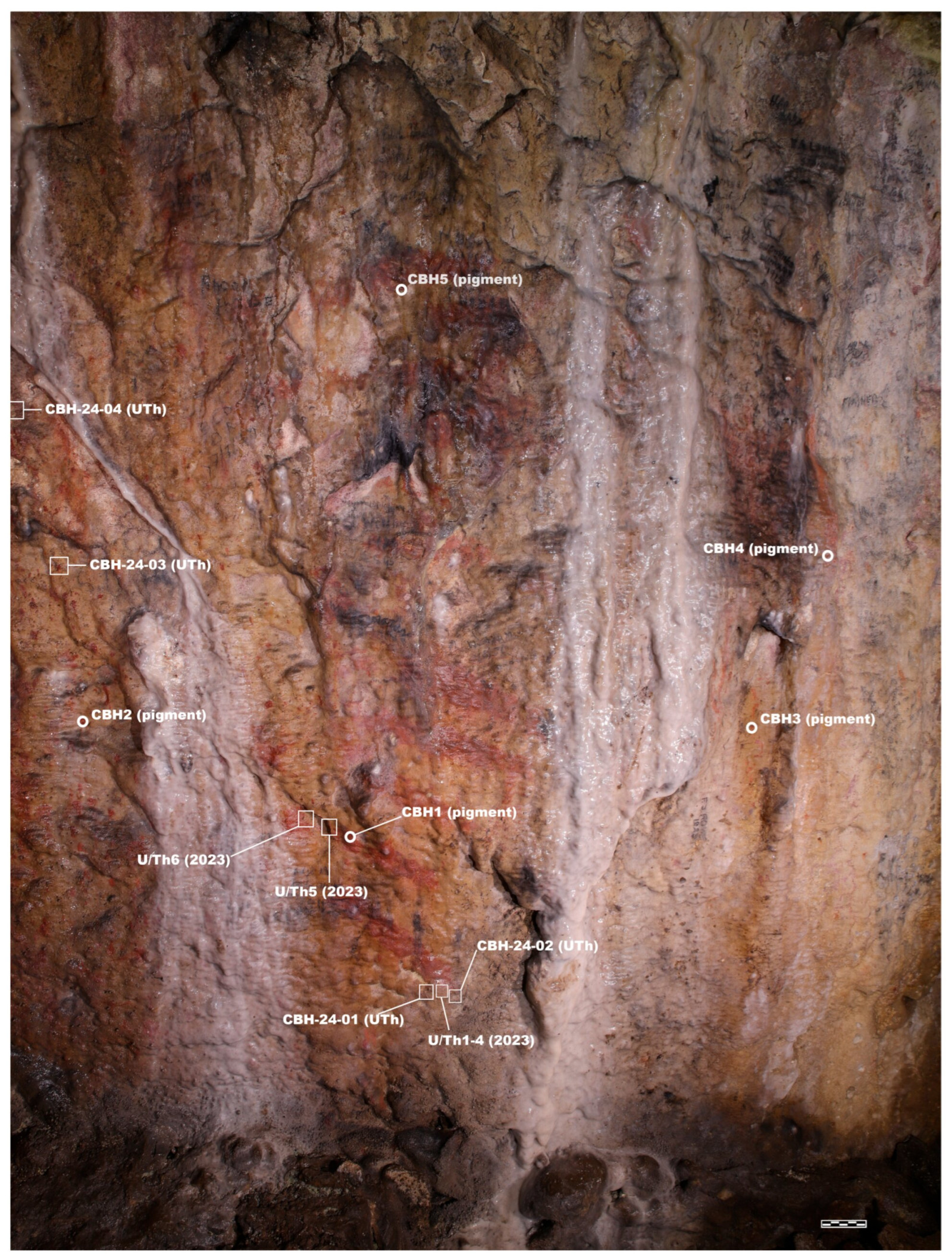
Bacon Hole’s significance appears to have persisted well beyond the Ice Age. Archaeological discoveries at the site include pre-Roman pottery shards, a Roman-era bone pin, a seventh-century Irish brooch, Saxon beads, and a medieval cooking vessel, indicating sustained human interest through millennia.
“practical considerations alone may not explain why people continued to visit the cave across such long periods of time,” he added that: “once a place becomes embedded in cultural memory, it can acquire meanings that endure long after its original purpose has been forgotten.”
- Categories:
- Science







0 comments
Sign in to Comment