
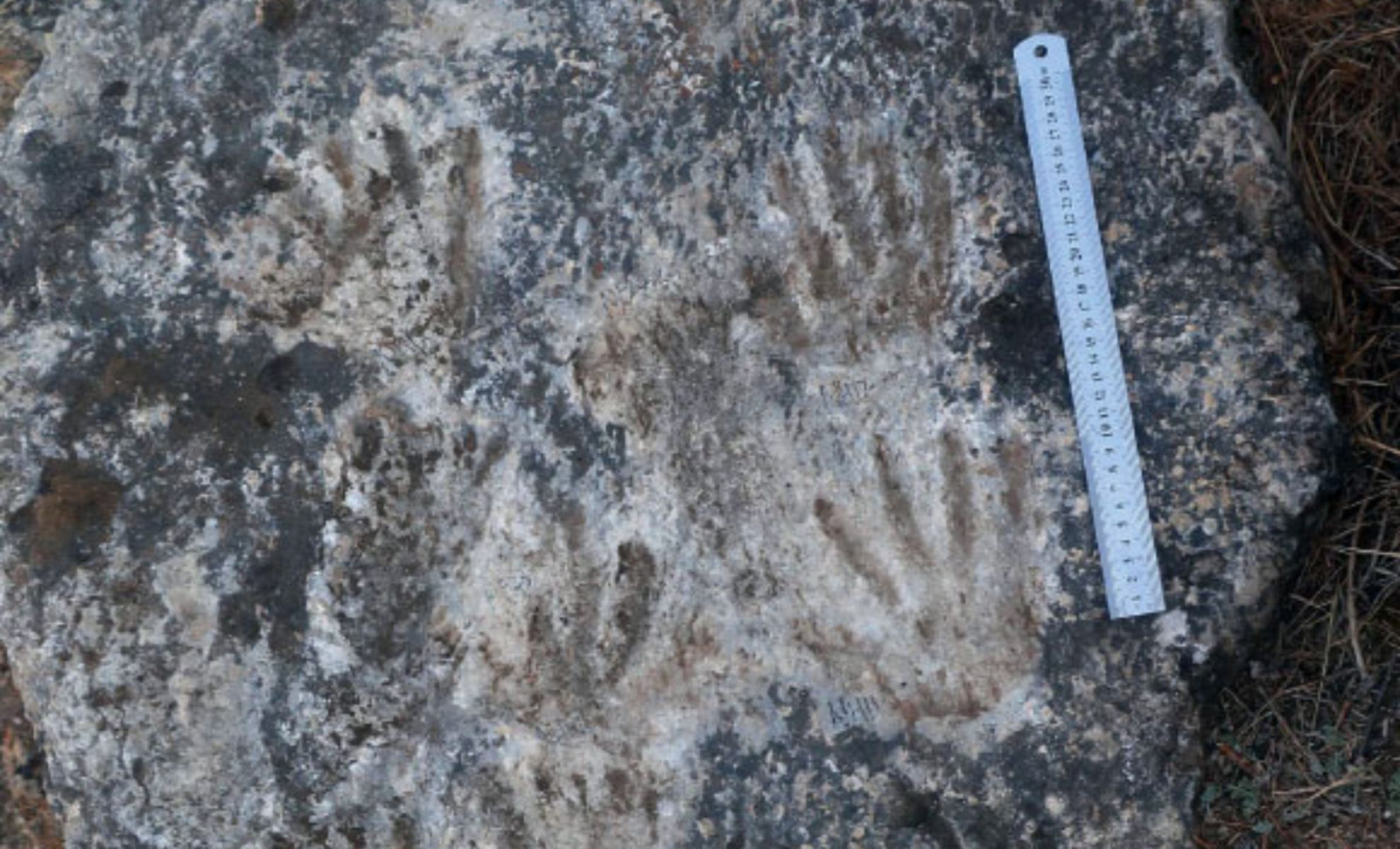
Hand and foot impressions preserved in stone on the Tibetan Plateau could represent some of the earliest known evidence of artistic behavior, dating back between 169,000 and 226,000 years. Found near Quesang village, roughly 80 kilometers northwest of Lhasa, these recordings are embedded in travertine formed by an extinct hot spring.
The unique nature of these markings has sparked intense scientific debate as they appear intentional rather than accidental. Central to this discussion is whether these traces served a practical purpose or were created as a form of expression.
Deliberate Designs, Not Mere Coincidence
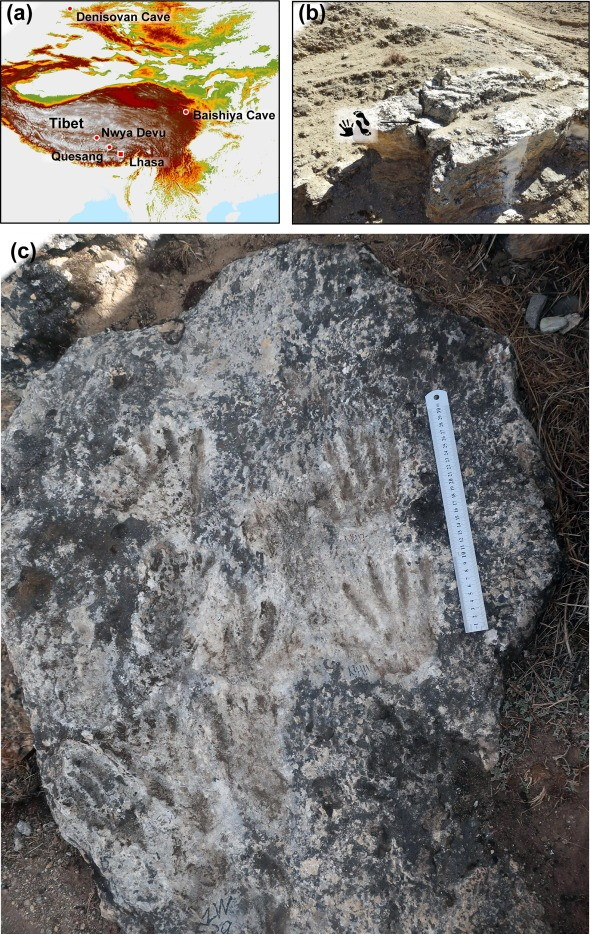
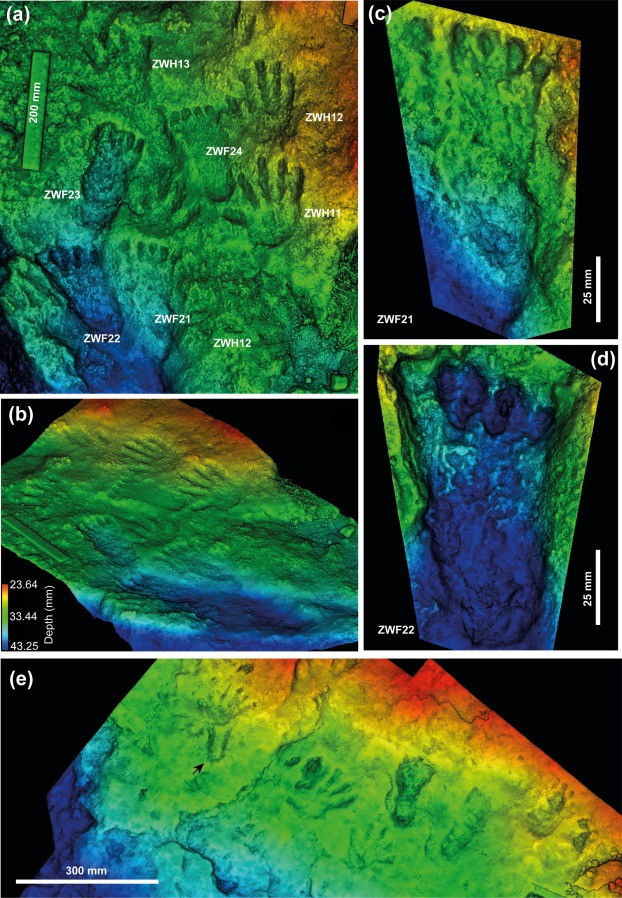
The location contains five handprints paired with five symmetrically placed footprints arranged purposefully across the surface. These impressions were made when the travertine was still malleable, allowing the shapes to be captured before the stone solidified.

Dr. Thomas Urban of Cornell University contends the placements are “definitely not random.” He elaborated:
“There’s not a utilitarian explanation for these. So, what are they? My angle was, can we think of these as an artistic behavior, a creative behavior, something distinctly human.”
This conclusion is largely drawn from the deliberate spatial arrangement. Unlike typical fossilized tracks suggesting movement, these prints imply interaction with a surface, distinguishing them from everyday footprints.
Evidence Points to Youthful Creators
Analyzing the sizes and shapes indicates that two young individuals created the imprints. One, who left the footprints, was approximately 7 years old, while the person responsible for the handprints was closer to 12 years old.
The research, detailed in Science Bulletin, highlights that handprints are a significant finding. While footprints commonly appear in the human fossil record, handprints are rarer and generally indicate intentional marking.
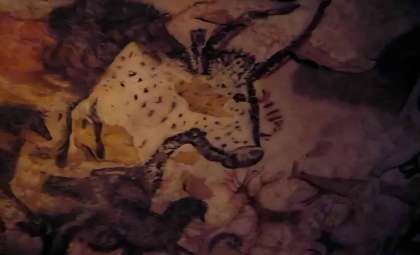
“Their presence connects the Tibetan panel to a tradition of parietal art — that is, art that is immobile — typified by hand stenciling on cave walls,” reported a Cornell University statement.
Reevaluating the Dawn of Artistic Expression
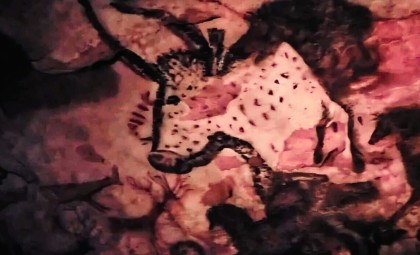
Previously, the oldest known examples of parietal art—fixed surface artworks like cave paintings—originated from Sulawesi and date back roughly 39,900 to 43,900 years ago. These include early hand motifs.
This new discovery from the Tibetan Plateau pushes back the timeline for such artistic expressions by over 100,000 years. The inclusion of handprints ties these traces to an established artistic legacy despite the wide temporal gap.
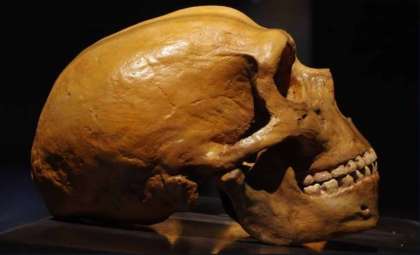
The creators of these impressions remain unidentified. Since the timeline predates confirmed Homo sapiens presence in the area, some scientists propose they could have been left by Denisovans, who are known from fossil remains found in this region.
- Categories:
- Science







0 comments
Sign in to Comment