
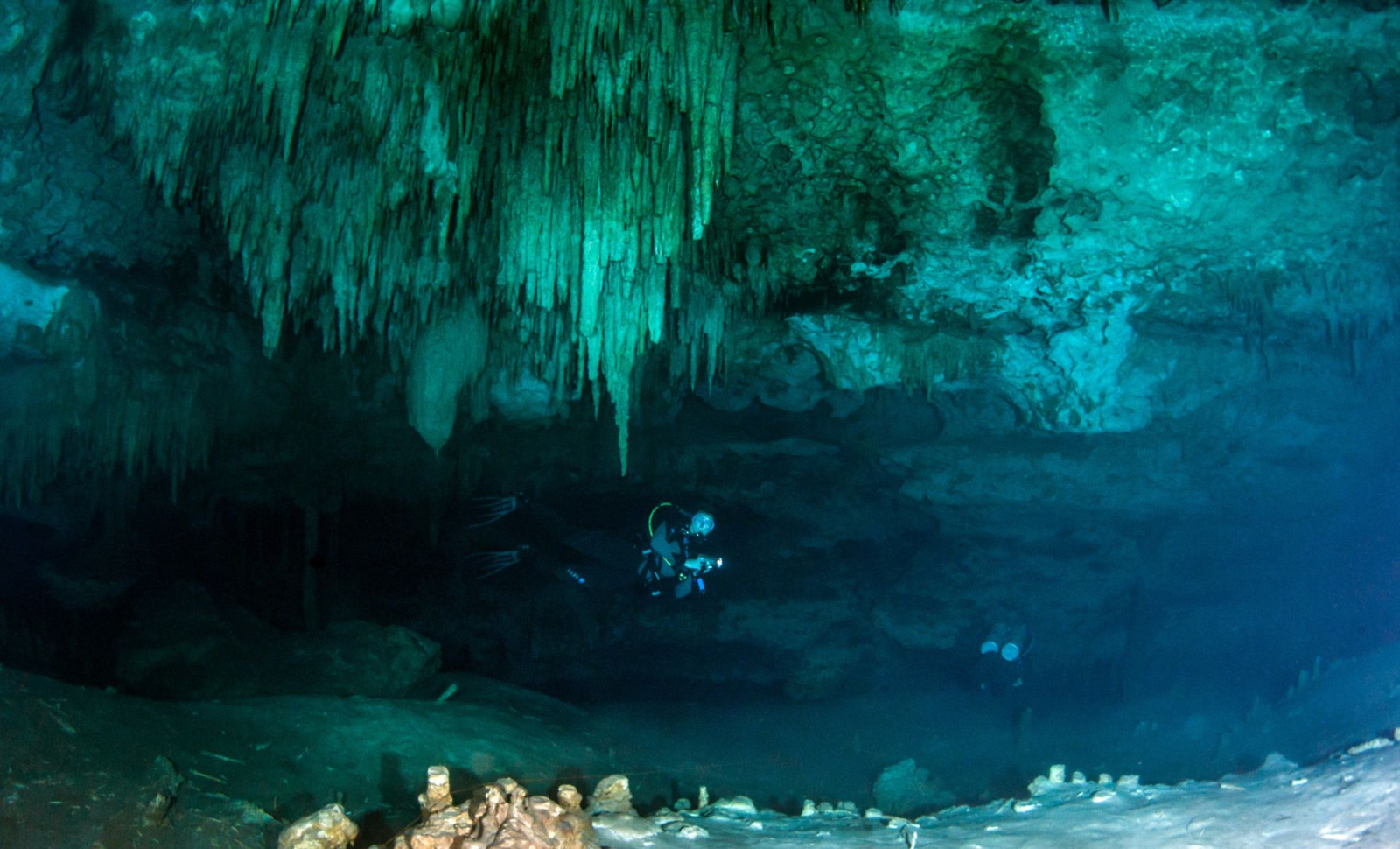
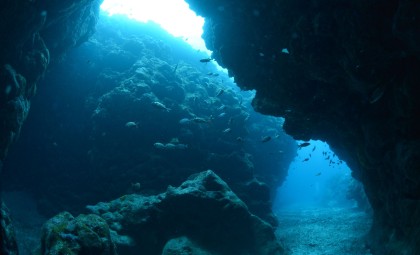
Hidden beneath Turkey’s southern shoreline lies an underground lake showcasing stunning underwater geological formations. In Gilindire Cave near Mersin, a team of expert divers captured detailed footage of stalactites, stalagmites, and other mineral structures that date back to the last Ice Age.
The documentation took place during a specialized 90-minute dive led by underwater filmmaker Tahsin Ceylan and his team of professionals. Their expedition shone a light on one of the most remarkable natural features of the area.
Gilindire Cave, situated within the Aydıncık region, retains hydrological and climatic clues from the Ice Age era.

Descending 560 Steps to an Enigmatic Subterranean Lake
The adventure began with a climb down 560 steps to access the cave’s hidden lake. As reported by Hürriyet Daily News, the dive was authorized through special permits and included members of the Coast Guard Mediterranean Region Command’s Diving Team, former naval officer Fatih Erhan, and instructors Mahmut İğde and Boğaç Dağhan Günöz.
Once ready by the water’s edge, the divers ventured 30 meters below the surface, spending 90 minutes capturing crystal-clear video of the cave’s submerged mineral wonders.
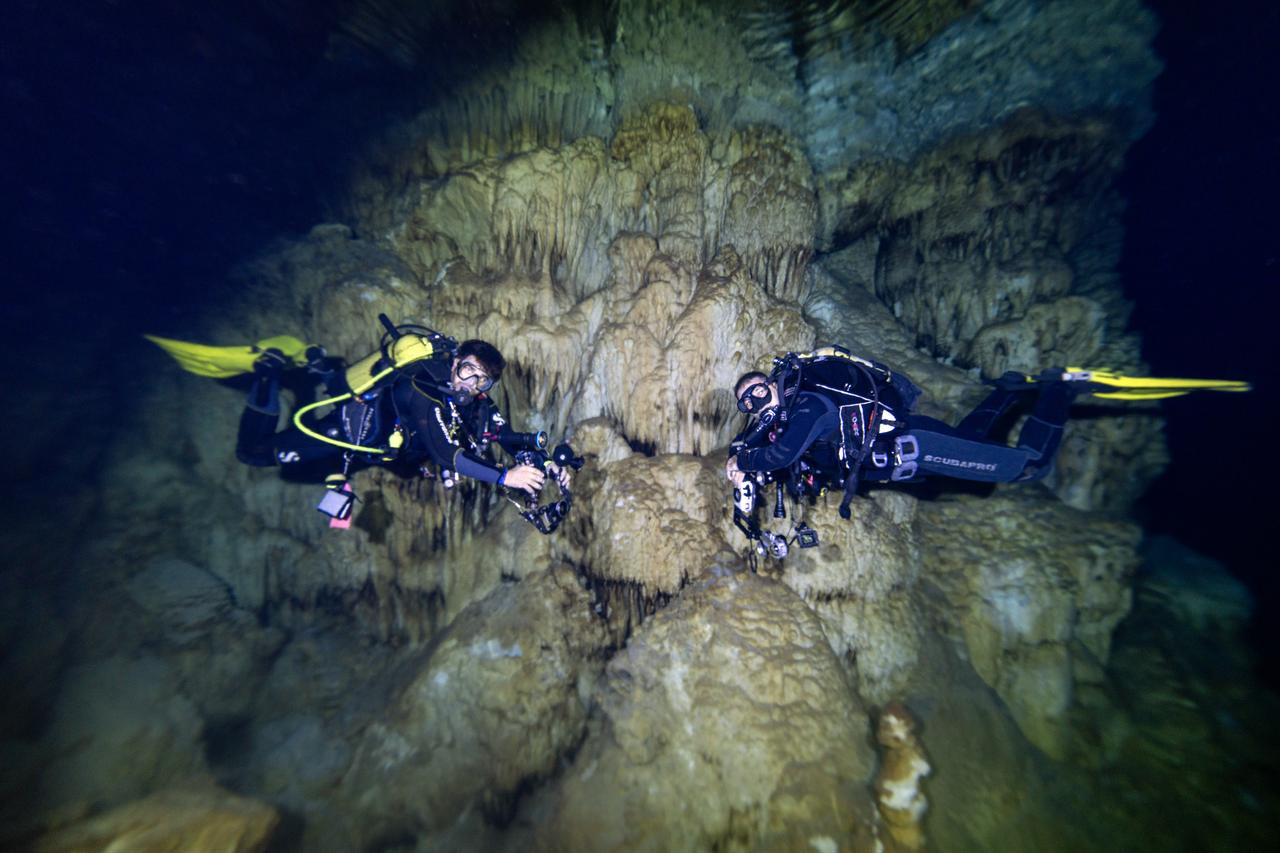
Tahsin Ceylan described the cave as a symbol of both natural beauty and cultural history, calling it “nature’s artistic masterpiece.” He remarked:
“Introducing it to the world and promoting it for diving tourism would be a great privilege for our country. We recorded the cinematic scenery of the cave underwater as well.”
Structures Dating Back to the Quaternary Period
Gilindire Cave originated during the shift from the last glacial period to the Quaternary’s warmer phase. Its submerged section reaches depths close to 47 meters.
Throughout the dive, explorers documented impressive stalactites, stalagmites, rock columns, travertines, and cave pearls. Experts suggest these formations remain preserved because being underwater shielded them from atmospheric changes.
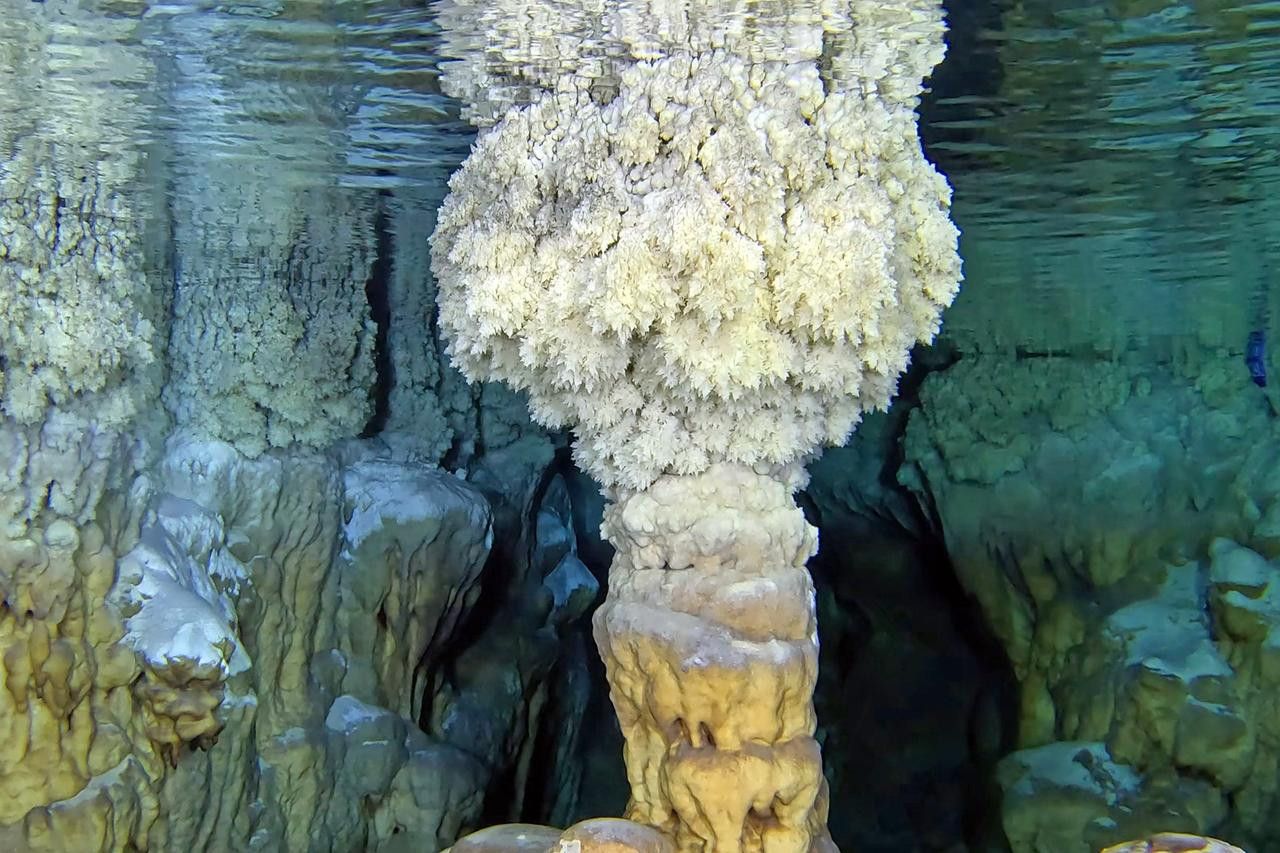
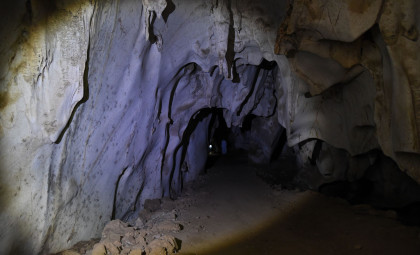
The cave spans 555 meters horizontally and sits 45 meters above sea level. Enormous dripstone formations divide the main cavern into multiple chambers, maintaining a largely untouched interior.
An Unexpected Find Transformed Into a Protected Landmark
Discovered accidentally in 1999 when a shepherd trailed a porcupine to the entrance, the cave revealed a vast underground system filled with unique mineral shapes, including ones resembling showerheads, according to Anadolu Agency.
Visitors can reach the site by turning off the Mersin-Antalya highway near the town of Aydıncık, about four kilometers away. While the upper levels are accessible by foot, only skilled divers may explore the submerged chambers.
Diving instructor Mahmut İğde praised the cave as “a legendary underwater beauty,” highlighting its fascinating formations and calling it “a whole submerged world.”
- Categories:
- Science



0 comments
Sign in to Comment