
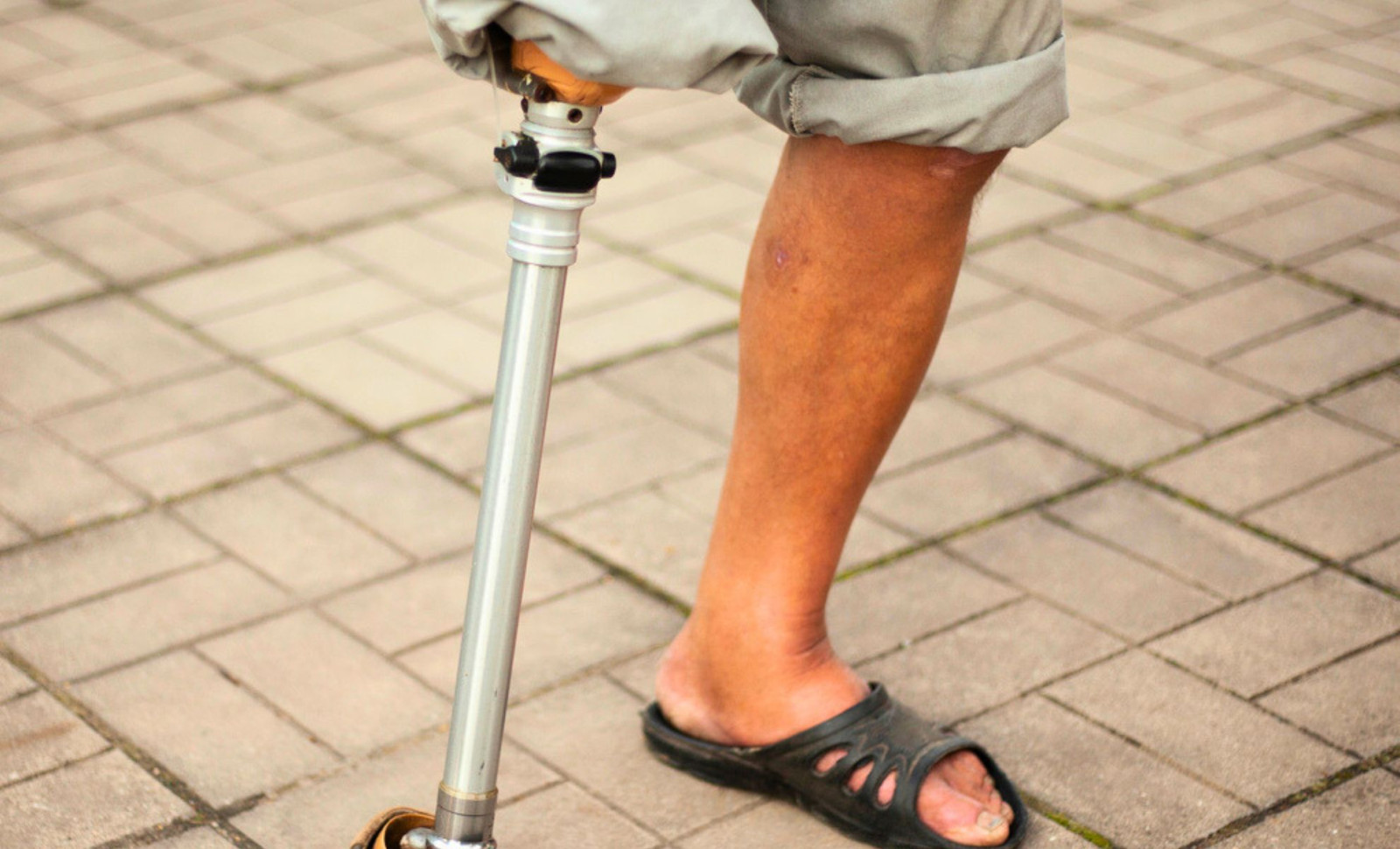
For the first time in mammals, scientists have successfully induced wounded cells to develop into fresh bone, joints, tendons, and ligaments after amputation, without introducing external stem cells. Published in Nature Communications, this breakthrough by a Texas A&M University team reveals that mammals may possess an untapped regenerative ability, triggered through the timed application of two growth factor proteins.
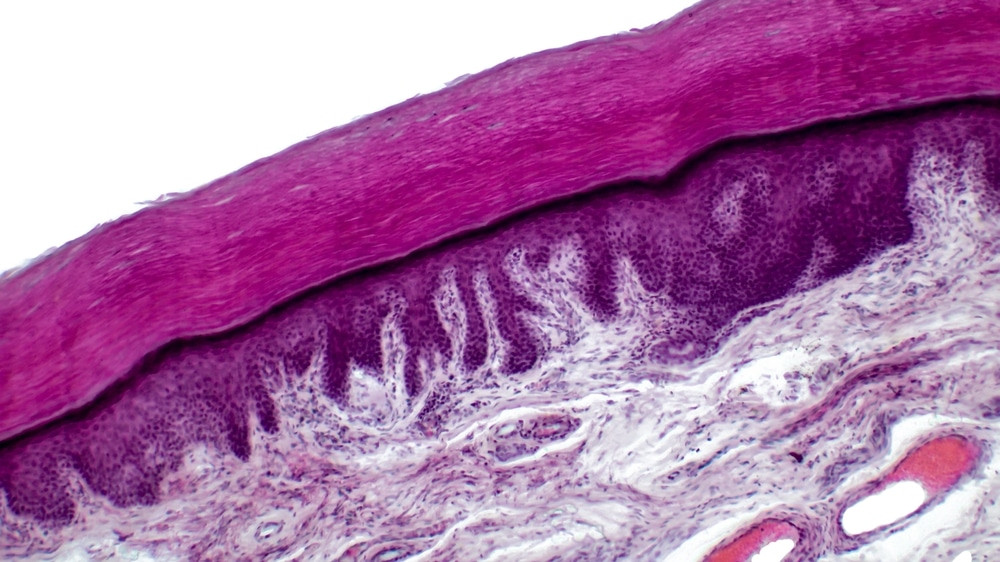
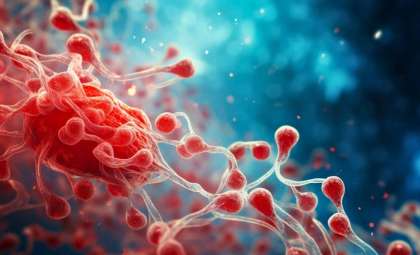
The research centered on the blastema, a cluster of proliferative, undifferentiated cells seen at injury sites in highly regenerative species like salamanders, which serve as the building blocks for regrowth. Unlike these animals, mammals typically do not form a blastema after injury; instead, they heal wounds through fibrosis, where fibroblast cells create collagen and fibronectin to quickly close the damage. The team discovered how to redirect these cells toward regeneration rather than scarring.
Sequential Application of Two Growth Factors Enabled Formation of a Normally Impossible Structure
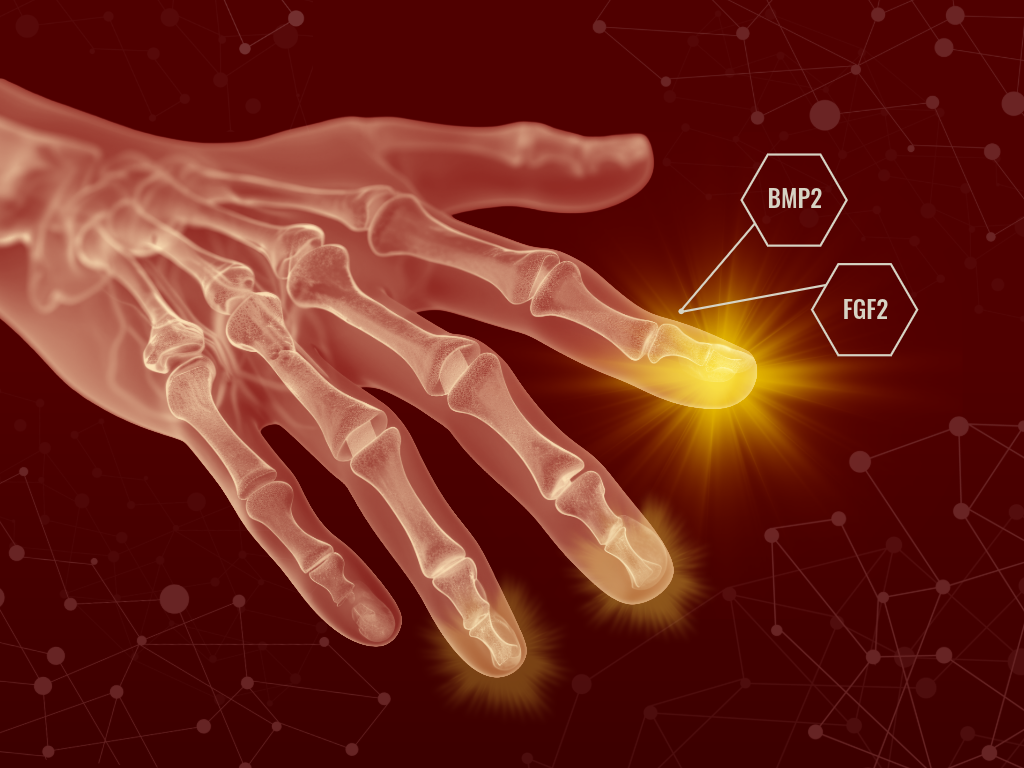
Once the wound had sealed, the researchers administered fibroblast growth factor 2 (FGF2) to provoke the formation of a blastema-like cell cluster—a phenomenon not naturally occurring in mammals during healing.

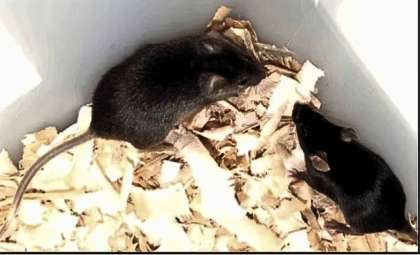
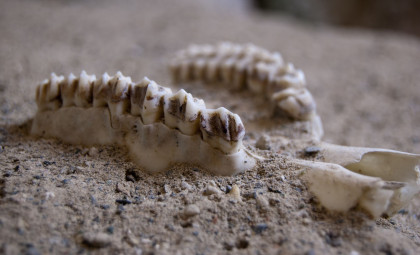
After several days, bone morphogenetic protein 2 (BMP2) was applied to instruct those cells to generate new tissue. This process yielded regenerated digits containing two new bones, a synovial joint, tendon, ligament components, and a newly formed ligament connecting the two ectopic bones.
“We re-created the expected structures for this type of injury,” explained Dr. Ken Muneoka, lead author on the study. “Though not perfectly formed, these regenerated components reveal capabilities in mammals previously unrecognized.”
The Same Fibroblasts That Seal Wounds Could Be Harnessed to Promote Regrowth
A key discovery showed regeneration does not require transplanting external stem cells, a common strategy in regenerative medicine. Instead, the fibroblasts naturally present at wounds can form a blastema if signaled correctly during healing.
“These cells have two potential paths,” Muneoka noted. “They can form scar tissue or develop into a blastema. Our approach reroutes the existing fibroblasts toward regeneration.” Co-researcher Dr. Larry Suva added, “What we thought were fixed cells are actually reprogrammable. The ability is hidden, not absent.”
This study also demonstrated positional re-specification—the redirection of cells to create structures in new anatomical positions. While common in developmental biology, this has not been observed in mammalian injury responses until now.
Blastema Gene Activity Suggests Evolutionary Conservation Across Species
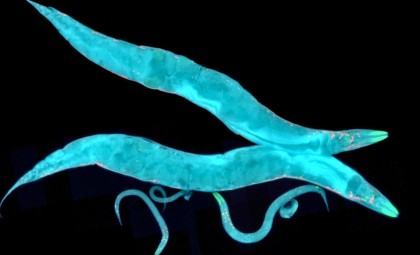
Blastema biology has been extensively studied in animals with strong regenerative powers. A 2024 report in Nature Communications on fragmenting potworms (Enchytraeus japonensis) identified two genes, soxC and mmpReg, as crucial for blastema formation in these worms.
Similar patterns of SoxC gene activity were seen during frog tadpole tail regeneration, raising the possibility that the molecular mechanisms driving blastema formation might be conserved across diverse animals, potentially including mammals where they remain inactive.
In mammals, standard wound healing counters this regenerative potential. Upon injury, platelets form clots, immune cells clear debris, and fibroblasts promote scarring by laying down fibrous material. The American Liver Foundation highlights how continuous fibrosis in liver disease results in organ dysfunction, illustrating that fibrosis is fast but limits structural restoration—a trade-off that blastema-driven regeneration could overcome.
Potential for Accelerated Clinical Application
This research does not yet aim for full limb regeneration in humans. Instead, Dr. Muneoka envisions nearer-term medical applications, particularly where improving healing balance between scarring and regeneration is critical, such as in recovery after amputation or musculoskeletal injuries. “People should consider applying these growth factors during healing,” he suggested. “Even modest shifts away from scarring could yield significant benefits.”
Importantly, BMP2 is already FDA-approved for specific orthopedic uses, and FGF2 has multiple clinical trials underway, which may streamline regulatory approval for testing this stepwise treatment in people. Although moving from mouse digit experiments to human therapy demands more research, Dr. Suva emphasized, “Demonstrating that regeneration can be switched on transforms our understanding and opens new avenues for investigation.”
- Categories:
- Science





0 comments
Sign in to Comment