
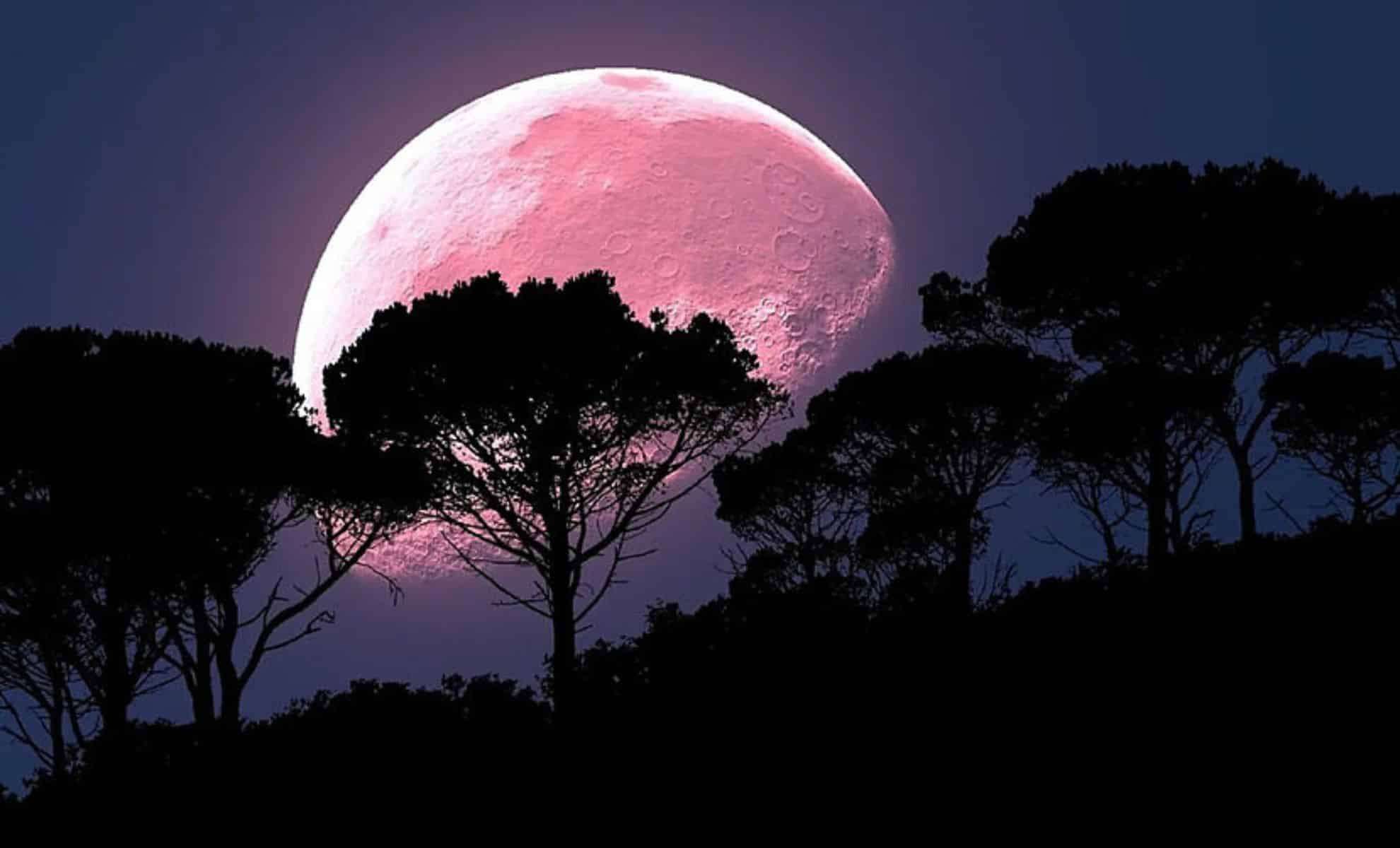
The 2024 Strawberry Moon will enchant sky enthusiasts across America on June 21, coinciding with the strawberry harvesting period and offering a magnificent celestial display.
Originally named by the Algonquin Native American tribes, the Strawberry Moon is also recognized as the Honeymoon and Rose Moon, each title reflecting diverse cultural meanings. This year’s moonrise aligns with the summer solstice, enhancing the event's rarity.
Understanding the Strawberry Moon
The full moon in June, traditionally called the Strawberry Moon, is linked to the short-lived strawberry picking season. Indigenous peoples in the northeastern United States used this lunar phase as a seasonal marker for harvesting fresh strawberries, an important food source at the time. This moon is alternatively known as the Honeymoon and the Rose Moon.

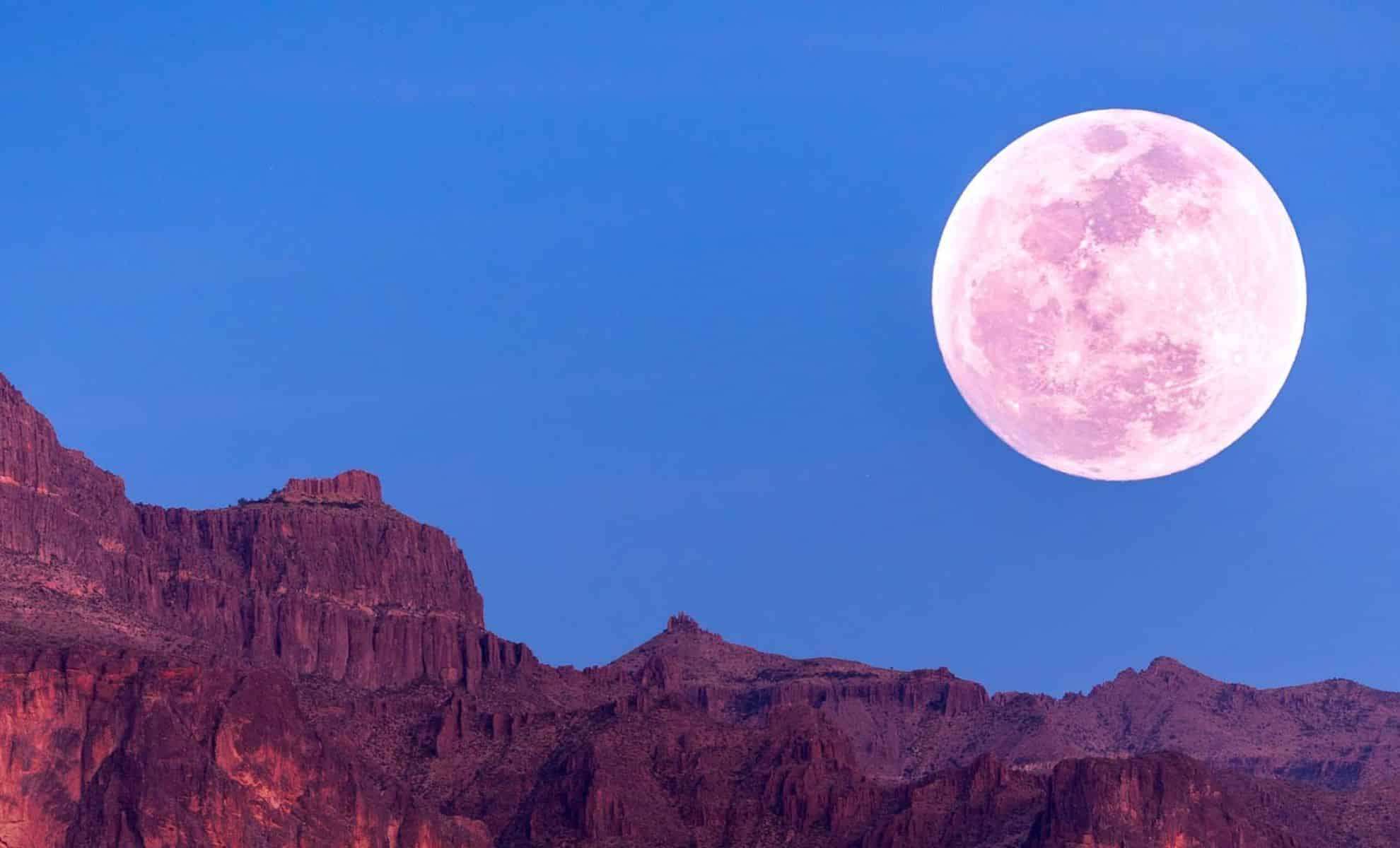
The name “Honeymoon” originates from 16th-century Europe, associated with the honey-gathering season. It was believed the honey collected then was the sweetest, with newlyweds traditionally drinking mead made from this honey during their first month of marriage, giving rise to the term “honeymoon.”
“Rose Moon” refers to the period when roses bloom abundantly, symbolizing romance and beauty in June. Various cultures also link this moon with fertility and fresh starts, representing growth and renewal.
Optimal Viewing Times
Those wanting to see the Strawberry Moon should plan for June 21. According to NASA and the U.S. Naval Observatory, the moon becomes fully illuminated at 9:08 p.m. Eastern Daylight Time (0108 UTC June 22). In New York City, the moon will rise just after sunset at 8:49 p.m. EDT, with the sun setting at 8:31 p.m. EDT. The moon will be most prominent around 9:15 p.m. EDT.
Visibility will continue into the early morning of June 23. This Strawberry Moon will be the lowest full moon of the year, peaking at only 21.9 degrees above the southern horizon around 1:20 a.m. This low altitude often tints the moon with a reddish glow, reminiscent of moonrise and moonset, intensifying its visual charm.
Distinctive Features of the 2024 Strawberry Moon
The 2024 Strawberry Moon stands out due to its coincidence with the summer solstice, the longest day of the year. This rare event recurs every 19 to 20 years, making it especially unique. Its low elevation in the sky produces a reddish tint that amplifies its allure.
This lunar effect, known as the “Moon Illusion,” causes the moon to appear larger and more vivid. At its fullest and brightest at 9:08 p.m. ET, the moon will glow warmly throughout the weekend. Observers should look toward the southeast horizon to catch the moon’s golden rise.
Related Astronomical Phenomena Near the Strawberry Moon
The 2024 Strawberry Moon is accompanied by other celestial happenings. On June 20, just before the full moon, people in Oceania will witness a near occultation of Antares, the brightest star in the Scorpius constellation.
During this event, the almost full moon will move close to passing in front of Antares, creating an impressive visual spectacle. Although this won’t be observable in North America, viewers there can still enjoy the moon’s close alignment with Antares, enriching the overall viewing experience.
Future Full Moons in 2024
The Strawberry Moon is among several captivating full moons scheduled for 2024, each carrying distinct traits and cultural meanings. Key upcoming full moons include:
- July 21: Super Deer Moon – Famous for its noticeably larger size.
- August 19: Super Sturgeon Moon – Named after the sturgeon fish prevalent in August catches.
- September 17: Harvest Moon – The full moon closest to the autumn equinox.
- October 17: Hunter’s Moon – Marks the traditional hunting season before winter.
- November 15: Beaver Moon – When beavers begin winter preparations.
- December 15: Cold Moon – The full moon signaling the coldest month of winter.
- Categories:
- Astronomy ,
- Nasa











0 comments
Sign in to Comment