

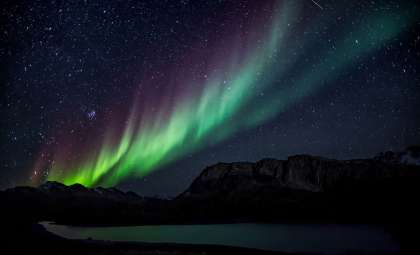
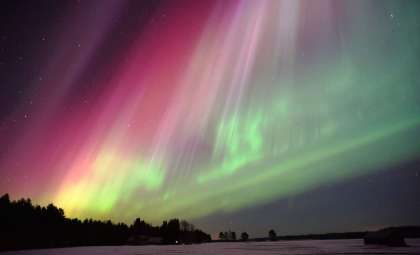
As the September equinox nears, scientists predict a surge in dazzling auroral activity driven by the Russell-McPherron effect.
Identified in 1973 by Christopher Russell and Robert McPherron, this effect takes place when the Earth’s magnetic field becomes more aligned with the solar wind, a stream of energized particles emitted by the Sun, a condition typically occurring around the equinoxes. Coupled with the heightened solar activity from the current solar maximum, the upcoming weeks are primed for impressive aurora sightings throughout the Northern Hemisphere.
The Science Behind the Russell-McPherron Effect
The Russell-McPherron effect offers an explanation for why auroras tend to peak near the equinox periods in March and September. During these times, the orientation of the Earth’s magnetic field aligns more directly with the solar wind, allowing a greater influx of charged particles into Earth’s magnetosphere. These particles then collide with atmospheric gases, producing the radiant glow we know as auroras.

Dr. Ciaran Beggan, a geophysicist at the British Geological Survey, states: “At the equinoxes, the Earth’s poles are positioned almost perpendicular to the Sun, optimizing the interaction between solar wind and Earth’s magnetic field.” Outside of these periods, the tilt reduces this interaction, leading to fewer and weaker geomagnetic storms responsible for auroral activity.
Amplifying Effects of the Solar Maximum
This year, the Russell-McPherron effect is expected to be intensified by the ongoing solar maximum, the peak phase of the Sun’s approximately 11-year activity cycle. During solar maximum, the Sun produces increased numbers of sunspots, solar flares, and coronal mass ejections (CMEs). These phenomena eject large quantities of charged particles capable of interacting with Earth’s magnetic environment, triggering frequent and intense geomagnetic storms that power brighter and more extensive auroras.
Notably, in May 2024, Earth was hit by its strongest geomagnetic storm in more than two decades, resulting in auroras as far south as Florida and Mexico. If significant sunspot activity coincides with the September equinox, we could witness another equally or more spectacular event. This fusion of the Russell-McPherron effect with solar maximum conditions might produce one of the most impressive aurora seasons in recent memory.
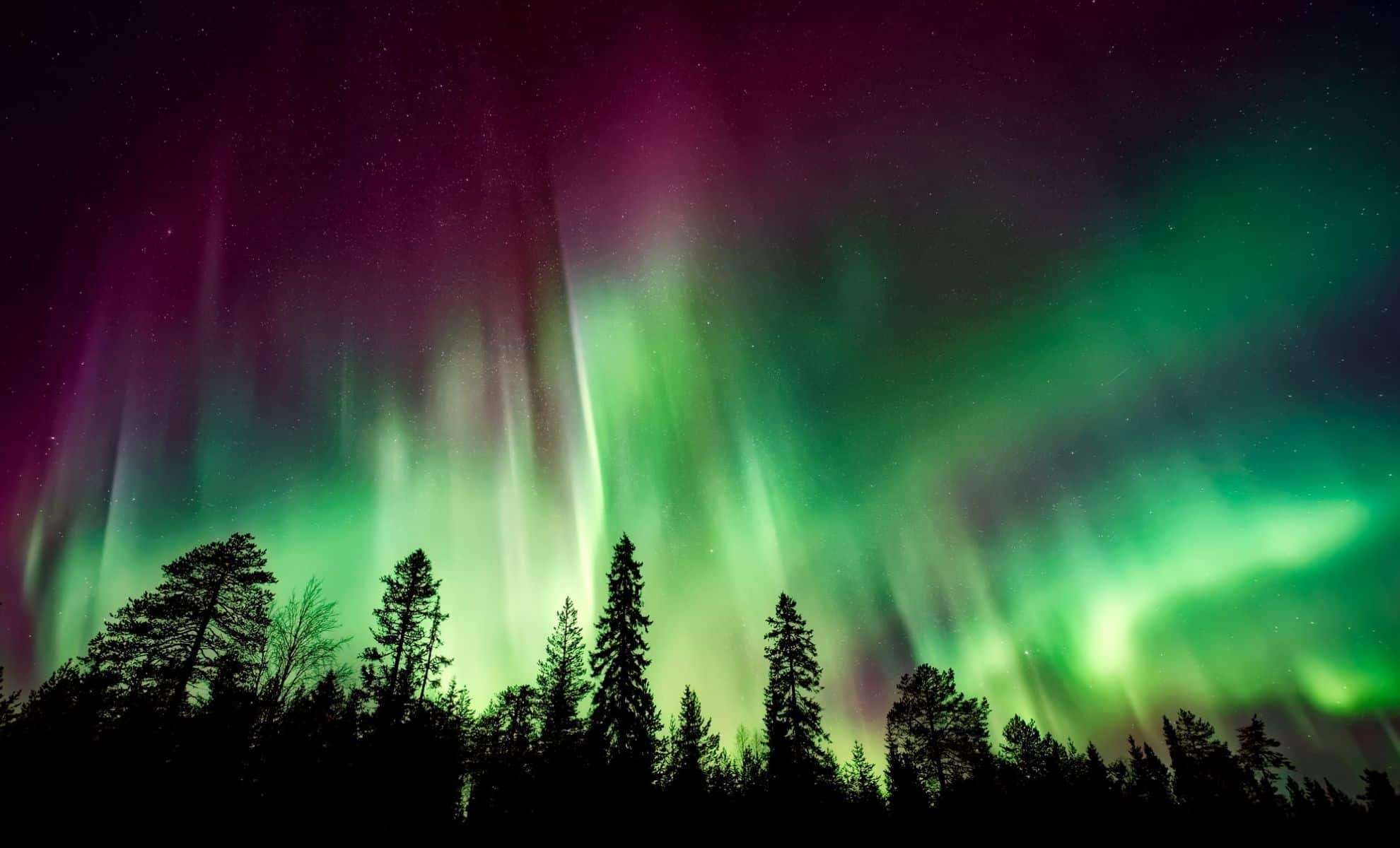
Increased Nighttime Hours Enhance Viewing
The September equinox not only contributes to heightened geomagnetic activity but also marks a time when nights begin to lengthen in the Northern Hemisphere. This shift provides a longer window of darkness, improving chances of spotting the elusive auroras compared to the brighter summer months.
During the equinox, daylight and nighttime are nearly equal, creating optimal conditions for nighttime observation. The combination of extended hours of darkness and elevated auroral occurrences, fueled by the Earth’s magnetic field aligning with solar particles, makes September an outstanding month for aurora enthusiasts. Those in higher latitudes have the greatest likelihood of experiencing these natural light shows, but a strong solar storm could bring auroras to regions further south than usual.
Impacts of Geomagnetic Storms Beyond Beauty
While auroras provide a stunning visual spectacle, the geomagnetic storms responsible can also affect modern technology. Severe storms may disrupt satellite communications, interfere with GPS navigation, and even threaten power grid stability. As the solar cycle peaks, space weather monitoring intensifies to prepare for and minimize these risks.
However, for skywatchers eager to catch the northern lights, the next few weeks are especially promising. The interplay of the solar maximum and the Russell-McPherron effect sets the stage for vivid aurora displays that might stretch farther south than usual.
Exciting Prospects for Aurora Observers
Approaching the fall equinox, the odds of witnessing spectacular auroras climb due to the combined influence of the Russell-McPherron effect and peak solar activity. The surge in solar phenomena alongside longer nights offers an exceptional opportunity for nature enthusiasts to view this mesmerizing light phenomenon. With possible strong geomagnetic storms on the horizon, this aurora season could deliver unforgettable skyward displays across the Northern Hemisphere.
Whether located in prime northern viewing areas or even farther south, many may soon be treated to an astonishing celestial show as charged solar particles excite gases within the Earth’s magnetosphere, painting the skies with radiant colors.
- Categories:
- News







0 comments
Sign in to Comment