
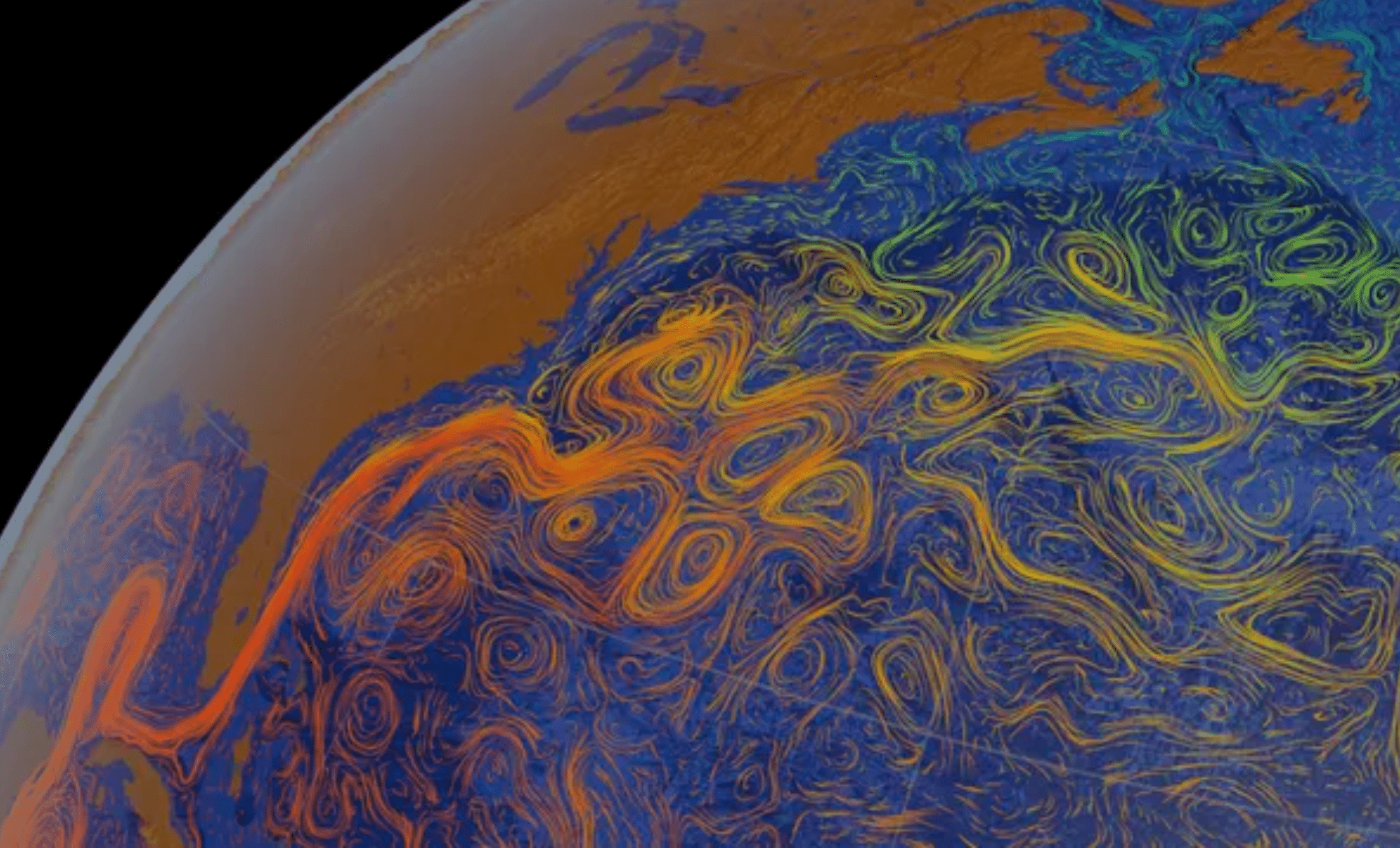
The Atlantic Meridional Overturning Circulation (AMOC) functions as a colossal oceanic conveyor belt, playing a vital part in shaping climate patterns, particularly across Europe. Emerging research underscores a mounting threat of its potential collapse, which could profoundly disrupt weather systems, damage ecosystems, and amplify climate change impacts. The ongoing slowdown of the AMOC is increasingly seen as one of the major risks to planetary stability. Investigations discussed in The Conversation and Nature reveal alarming evidence of its weakening, underscoring the urgency to understand the stakes if this crucial ocean circulation breaks down.
Understanding the AMOC
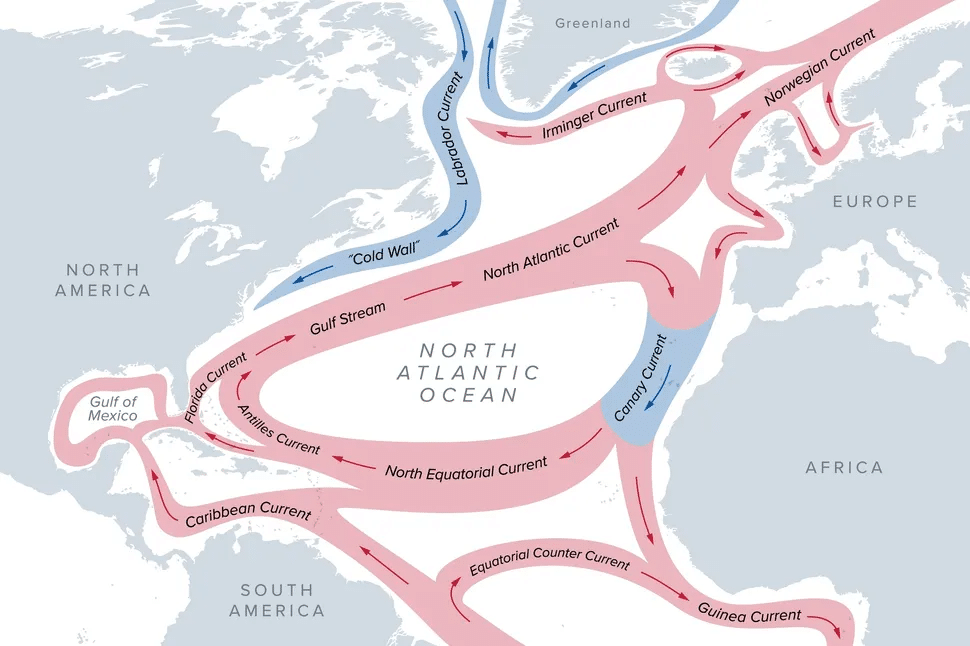
The AMOC comprises a massive system of ocean currents that moves warm tropical waters northward into the North Atlantic while returning colder waters southward. This circulation is fundamental to regulating temperatures and weather across Europe and supports oceanic ecosystems. Powered mainly by thermohaline circulation—driven by differences in seawater temperature and salinity—the AMOC operates differently from coastal tidal currents governed by lunar gravity or surface currents caused by wind.
As detailed by the National Oceanic and Atmospheric Administration (NOAA), "Tidal currents occur close to shore and are influenced by the sun and moon," whereas "surface currents are influenced by the wind." In contrast, the AMOC involves deep-ocean flows that move more slowly but transport essential heat and nutrients over great distances.

The AMOC’s Fluctuating Behavior
Over recent decades, the AMOC has shown signs of weakening instability. Temperature variations in the North Atlantic have shifted erratically above and below the global average, creating what researchers call a "wobble." Oceanographer Stefan Rahmstorf explains this as a warning signal that the system nears a critical threshold, stating, "When you approach a tipping point, the system starts to wobble back and forth, so there’s more natural variability because the system is less stable."
Scientists have long cautioned that such fluctuations point to growing fragility, signaling an increased risk of system failure. These concerns are now supported by findings in both The Conversation and Nature, which suggest that the AMOC might soon pass an irreversible tipping point.
Implications of an AMOC Breakdown
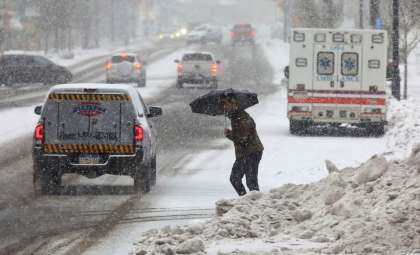
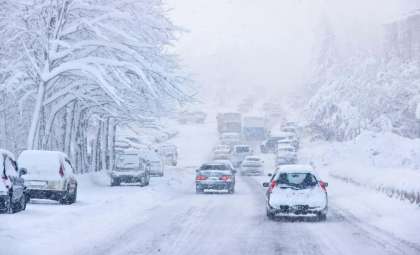
The potential collapse of the AMOC would have far-reaching impacts. Europe's climate, currently moderated by the AMOC's delivery of warm water, would undergo sharp changes. Expect colder winters with significant temperature drops, particularly in northern countries like Scandinavia and Ireland. Additionally, weather extremes such as droughts and floods would intensify, destabilizing the continent’s climate.
The effects would not be confined to Europe. Globally, sea levels would rise beyond existing forecasts, causing intensified flooding in many coastal zones. Marine ecosystems would deteriorate as the disrupted flow reduces oxygen supply to deeper ocean layers, threatening fish and other marine species.
These climatic disturbances could extend worldwide, impacting regions as distant as New Zealand. As Rahmstorf warns, "We mostly know from paleoclimate data how drastic and worldwide these changes are."
Urgency and Possibilities to Prevent Collapse
Though an AMOC collapse is not immediately inevitable, the risks are escalating, and the consequences could be severe. The tipping point looms as a question of timing, not likelihood, without urgent, bold climate action. Rahmstorf emphasizes the Paris Agreement’s goal to keep global temperature rise below 2°C as the key strategy to reduce this danger. "If we manage to do that, and all countries have committed to do that, then we can really minimize the risk of going over the tipping point," he states.
The opportunity to act is narrowing. Failing to meet the targets set by the Paris Agreement could push the AMOC past its critical limit, triggering severe environmental and societal consequences.
- Categories:
- News







0 comments
Sign in to Comment