
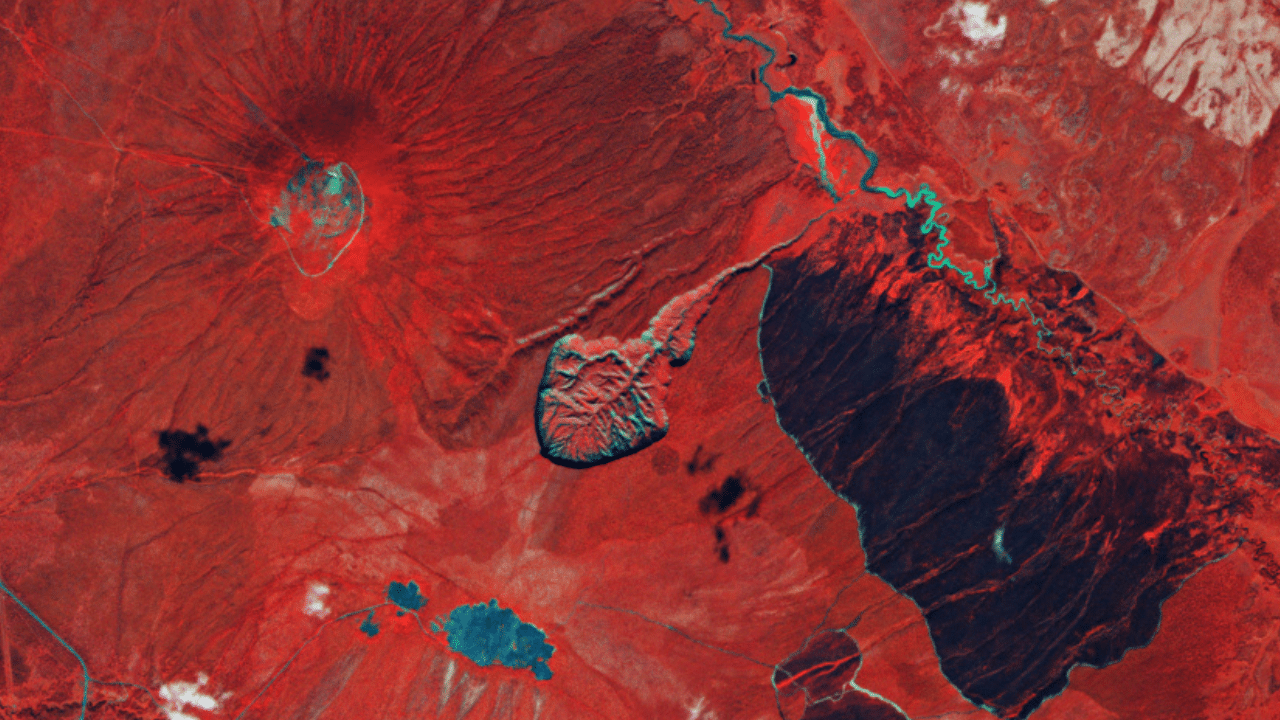
Deep within Siberia's isolated tundra, the Batagay Crater has expanded to more than three times its original size over the past three decades. Imagery from the US Geological Survey highlights the striking evolution of this natural phenomenon from 1991 through 2024.
Its distinctive form, reminiscent of a massive stingray, has led locals to dub the site the “Gateway to Hell.” While it’s not an actual portal, the crater’s swift enlargement clearly signals alarming trends related to Arctic climate shifts.
A June 2024 report in the journal Geomorphology reveals that the crater is enlarging at a staggering pace, accumulating roughly one million cubic meters of volume annually. In other terms, this is comparable to filling 400 Olympic-sized swimming pools each year.

The expansion is primarily caused by thawing permafrost—permanently frozen soil destabilized by increasing temperatures worldwide. When the ice within the ground melts, the earth collapses, causing the depression to grow even more. This repetitive cycle hastens further exposure of frozen soil to warming air, accelerating the crater’s development.
Permafrost melt: Unlocking ancient carbon stores
Permafrost layers, also known as pergelisol, are frozen soils found in polar zones that safeguard remnants of prehistoric plants and animals. As these layers thaw, they gradually release trapped organic materials, transforming from natural archives into sources of greenhouse gases.
The melting permafrost represents a serious climate threat. As the organic content breaks down, it emits significant quantities of:
- Carbon dioxide (CO2)
- Methane (CH4)
These gases intensify global warming, fueling a dangerous feedback loop. The Batagay Crater alone contributes nearly 5,000 tons of carbon dioxide emissions each year—comparable to the annual carbon output of about 2,000 American homes.
Permafrost underlies roughly 15% of the landmass across the Northern Hemisphere. Complete thawing of this expansive frozen ground could unleash greenhouse gases on an unprecedented scale, worsening climate disruption worldwide.
Ecological and climatic consequences ahead
The Batagay Crater’s rapid evolution exemplifies larger environmental transformations underway in the Arctic. Scientists worry about several key impacts:
ConcernEffectChanging landscapesDisrupted habitats and ecosystemsCarbon emissionsHeightened global temperature riseMethane releaseStronger greenhouse effectUnstable terrainGreater landslide risks
This crater’s expansion is part of a wider pattern of thaw-induced ground collapses, known as thermokarst, emerging throughout the Arctic and releasing greenhouse gases while reshaping the terrain.
Escalating permafrost melt may trigger:
- Disruption to fragile local ecosystems
- Damage to infrastructure in northern communities
- Revival of ancient microbes
- Shifts in global weather patterns
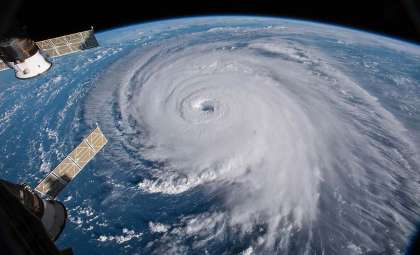
The situation in Siberia highlights how interconnected Earth’s systems are and the extensive impact climate change can have. Rising temperatures also suggest an increase in extreme weather, including events like the severe heatwave predicted to scorch the U.S. West.
Though not supernatural, the expanding “Gateway to Hell” signals an urgent environmental challenge. Ongoing research into this remarkable sinkhole amplifies the call for worldwide efforts to combat climate change and protect vulnerable Arctic environments.
- Categories:
- Climate change







0 comments
Sign in to Comment