
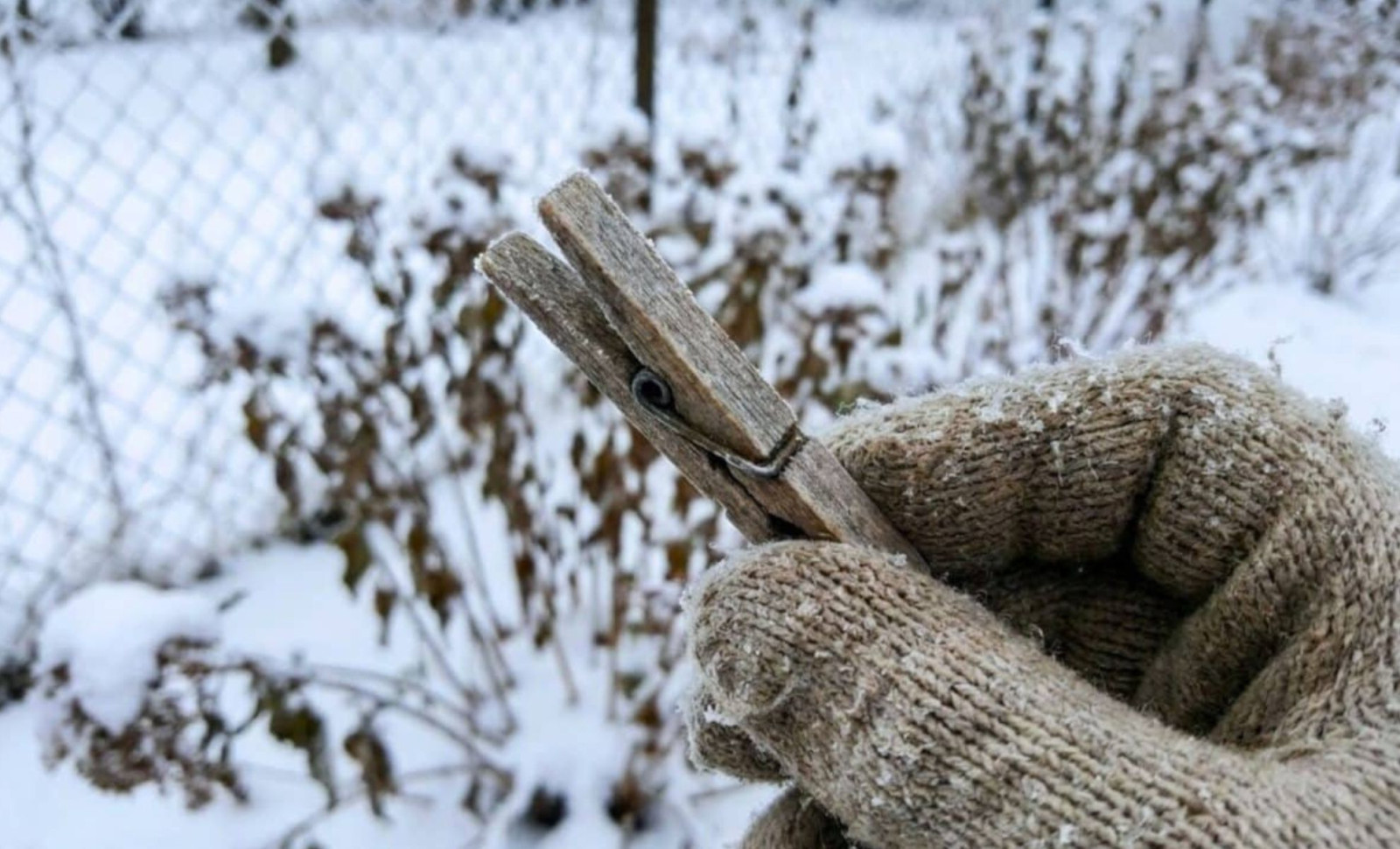
During clear, calm nights, the earth loses heat to the sky in a process that can make the difference between thriving crops and devastating losses. Gardeners in chilly regions have long protected their plants by draping them with fabric and securing the edges with heavy objects like stones or bricks to preserve warmth.
What researchers later discovered is that the weakest link in this setup is the seal where the fabric meets the ground. Unexpectedly, a humble wooden clothespin, originally designed for laundry, has emerged as a clever solution to keep frost protection fabric firmly anchored, gaining attention for its role in combating unpredictable winter conditions.
Though absent from most formal agricultural guides, by early 2025 clothespins had become popular among gardeners in North America and Europe to fasten frost covers securely, based on a simple principle: the effectiveness of a protective cover depends on how well it seals, and clothespins maintain that seal better than traditional weights.

Insights from a Significant 91 Percent Boost in Crop Yield
A clear example of the importance of proper fabric fastening comes from controlled trials on Chinese cabbage, sensitive to cold during early growth phases. Scientists at the University of Agriculture in Krakow documented a striking 91 percent increase in marketable yield under non-woven fleece covers compared with unprotected plants.
Their research, shared via ResearchGate, reveals that row covers not only boost overall yield by 36 percent but also diminish cold stress and reduce premature bolting, which harms crop quality.
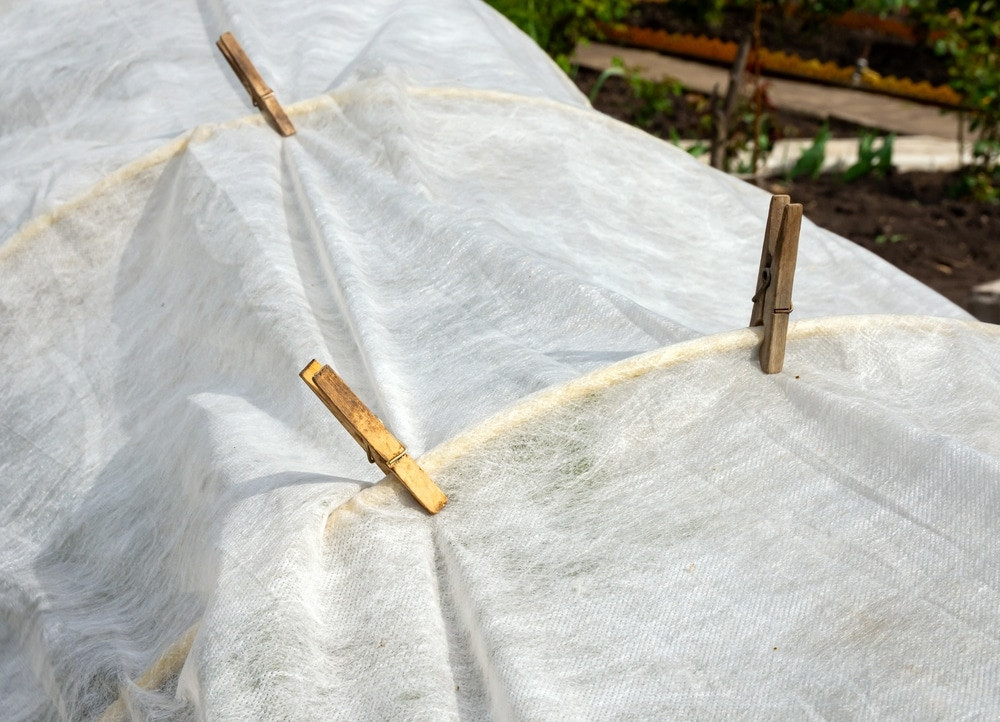
Row covers function by trapping lingering heat from the soil and preventing heat from radiating into the open sky at night. According to guidelines from New Mexico State University Extension, lightweight covers can keep temperatures 2 to 4°F higher, while thicker materials offer up to 10°F of protection—assuming there are no gaps in coverage. Even small openings caused by loose edges or wind can drastically reduce these benefits.
The vulnerability of floating row covers, delicate fabrics laid directly over plants, is well documented by the University of New Hampshire Extension. These covers can shift or sag under moisture, diminishing their insulating properties and potentially causing plants to experience direct cold contact.
Why Clothespins Are Becoming Gardeners’ Go-To Tool
Clothespins effectively remedy this problem by providing a secure yet gentle grip that holds covers firmly in place without harming plants or fabric. They can be attached to hoops, garden bed edges, and support structures to resist gusty winds better than bricks or stones. Additionally, they allow gardeners to lift covers for ventilation during the day to avoid overheating and then reseal them as temperatures fall at night. This flexible solution is especially handy for raised beds, containers, and densely planted urban gardens where traditional heavy anchors aren’t practical.
Variations of this approach extend to hoop house setups. A University of California method uses clothespins to fasten polyethylene sheets to stakes and wire supports, enabling easy opening and closing as conditions change. Home gardeners replicate this by attaching row covers to wire frames with clothespins made from reclaimed fencing materials.
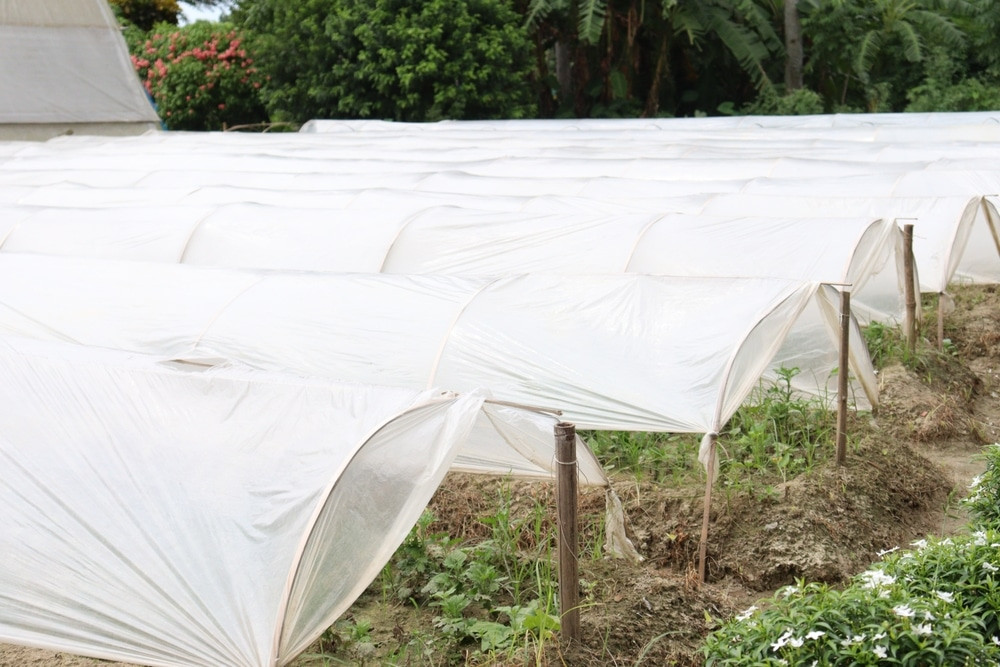
While clothespins improve seal integrity, row covers still depend fundamentally on fabric weight and stored soil warmth for insulation. For crops sensitive to severe cold, even impeccably secured covers may fail to provide sufficient protection without additional heat sources or enclosed environments. Thus, clothespins extend protection duration but don’t change frost sensitivity limits.
Knowing When to Remove Frost Covers
Removing covers at the right stage is crucial. Insect-pollinated crops such as tomatoes, peppers, and cucurbits require exposure once female flowers appear to enable fertilization. Overstaying covers hampers fruit set and flower viability. For strawberries, late cover removal can shift blossoming earlier, increasing vulnerability to freezing, while limiting light and raising temperatures can reduce overall plant health.
Experiences from commercial farms in New South Wales show that lettuce grown under floating row covers for four to six weeks develops faster and with higher quality. Growers also benefit from reduced pest issues, moisture conservation, and protection from frost, wind, and minor hail events.
However, the enhanced microclimate that promotes growth also encourages rapid pest and weed proliferation inside covers. Insects trapped beneath can multiply unchecked, and weeds thrive if soil is untreated, sometimes necessitating cover removal for weeding. These aspects are noted in extension resources and recognized by practitioners.
The Reach and Restrictions of This Low-Tech Solution
The rising popularity of clothespin-secured frost covers signals a broader trend toward adaptable, cost-effective season extension strategies. As climate projections indicate more frequent and unpredictable frosts across temperate zones, fixed planting calendars become less viable, prompting grassroots innovations particularly valuable for small-scale and urban growers.
This method has spread through informal horticultural communities rather than official agricultural endorsements. It fills a niche between extensive commercial practices and the limited resources typical of hobbyist gardeners. Its future status in standard growing recommendations will hinge on its consistent performance amid growing winter weather variability.
Scientists at Purdue University caution that row covers may fall short of protecting sensitive crops when temperatures drop below critical points—28°F for lettuce and 30°F for strawberry blossoms—unless combined with heated setups or alternative cultivation methods. The clothespin approach solves one aspect of frost protection, but the physics behind nighttime heat loss remains unchanged.
- Categories:
- News











0 comments
Sign in to Comment