
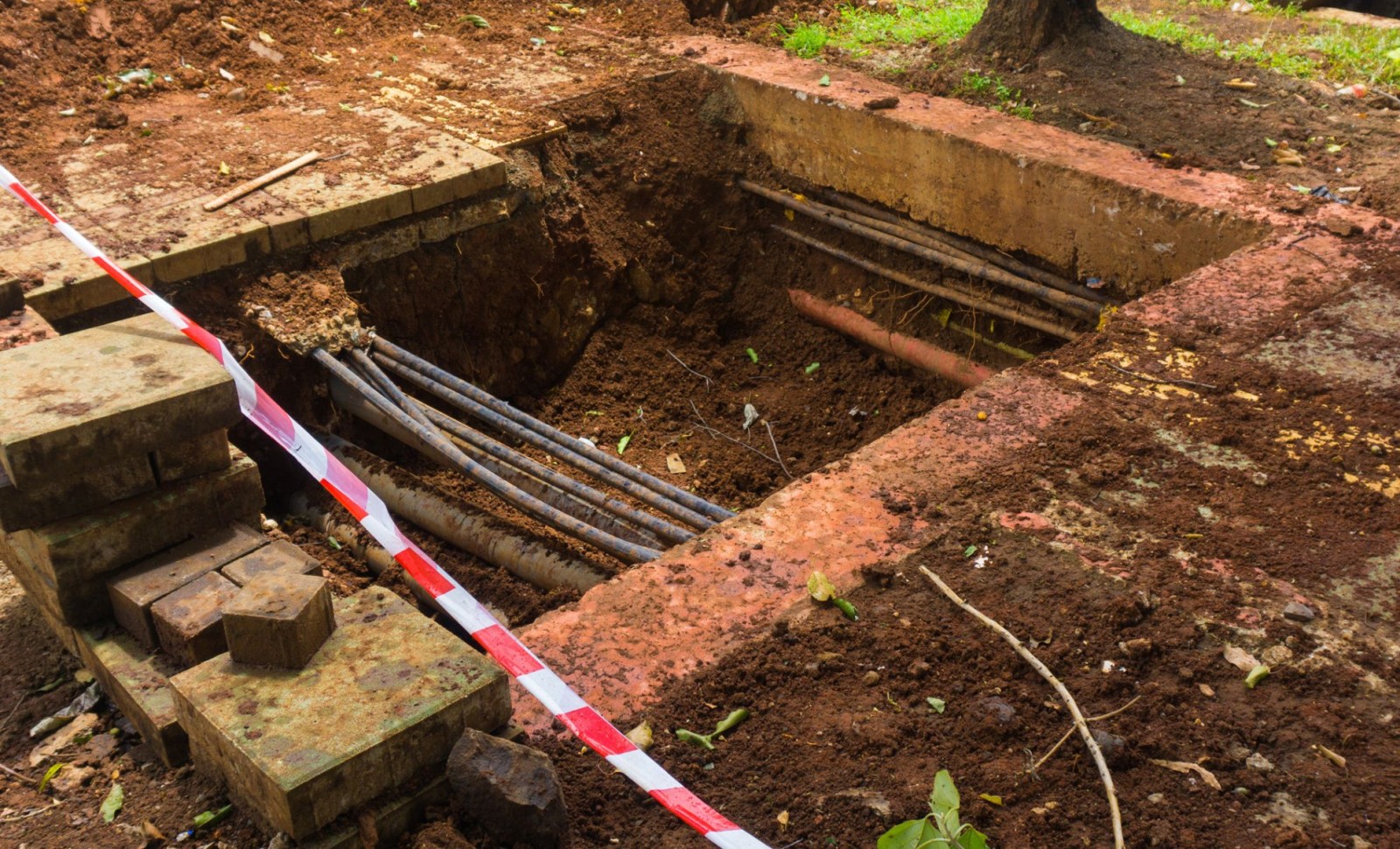
In a serene village in England, an unexpected geological event unveiled a long-forgotten underground chamber. Just days before Remembrance Sunday, an 18th-century burial vault within the church grounds of All Saints Church in Somerset suddenly gave way, exposing a hidden stone crypt that had remained sealed for over three centuries. This discovery, covered by BBC News, has sparked interest among local residents, archaeologists, and historians eager to explore a rare example of early modern funerary construction.
A Sudden Collapse Brings History to Light
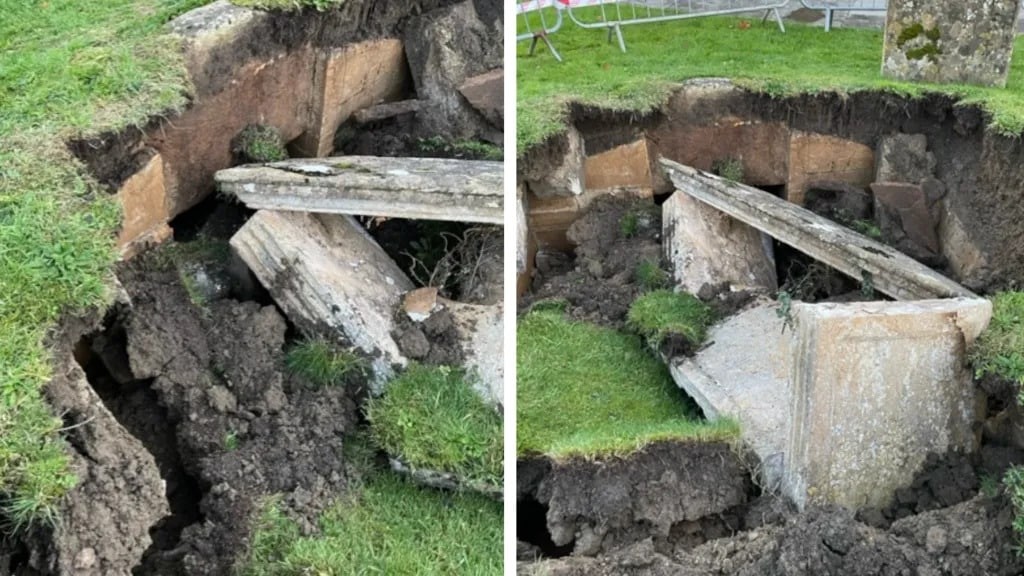
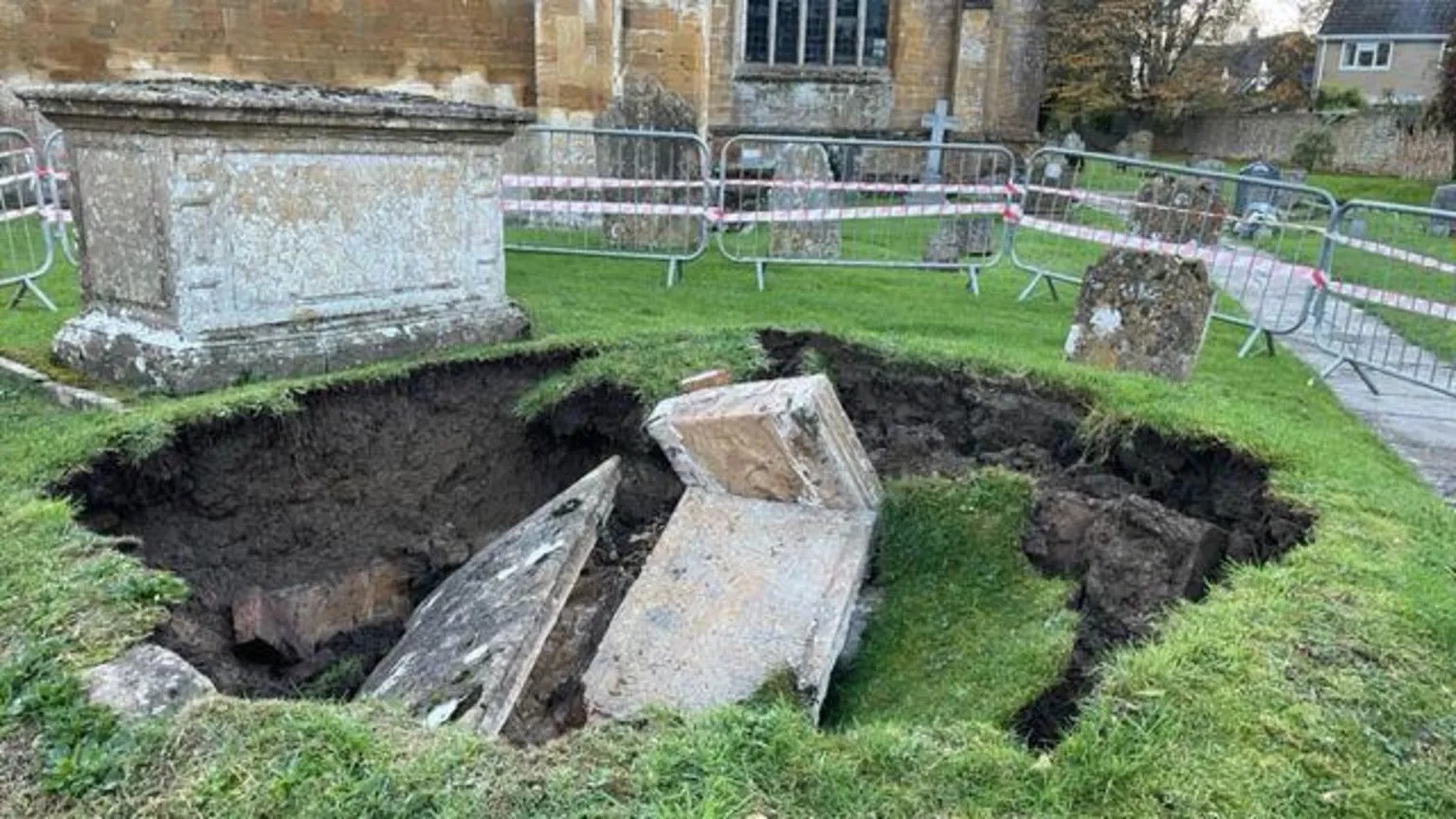
Overnight, a striking 12-foot-deep (3.6-meter) cavity formed where the tomb once stood, unveiling a chamber built from weathered stone blocks. Such an intact crypt from the early 1700s emerging unexpectedly is an unusual event. Reverend Paul Fillery expressed the sentiment perfectly:
“It’s both fascinating and sobering,” he told BBC News, “The tomb gave way quite suddenly, leaving behind what looks like a large sinkhole. We’re working with the diocese and parish council to ensure the site is safely restored and respectfully handled.”
Add Cosmo Herald as a Preferred Source

Experts believe that years of rainfall gradually eroded the soil supporting the crypt, weakening the tomb’s foundation until the structure finally collapsed.
The Story Told by Stone Walls
The walls of the crypt are crafted from Ham stone, a distinctive golden limestone native to just a couple of quarries in Somerset. This choice of material hints that the tomb's original builders were likely affluent or esteemed.
Witnessing stonework hidden for centuries, undisturbed and silent, suddenly illuminated by daylight is a profound experience. Remarkably, the crypt remains largely intact despite the collapse, though it carries no inscription or date to identify the occupant.
Public Interest Grows Amid Safety Precautions
Following the discovery, locals and visitors have gathered to glimpse the hidden crypt through safety fencing. One resident remarked to the BBC:
“You don’t often see something from the 1700s resurface like this… it’s eerie but incredible.”
Meanwhile, officials caution that the ground may remain unstable. The Diocese of Bath and Wells along with the parish council is conducting thorough assessments to determine next steps.
A statement from local authorities underlined that “public safety and heritage preservation are our top priorities,” meaning that any further excavation must await the site’s stabilization. For scholars, this unexpected sinkhole offers a valuable chance to examine 18th-century burial customs firsthand, with the potential for new insights still to come.
- Categories:
- Science







0 comments
Sign in to Comment