
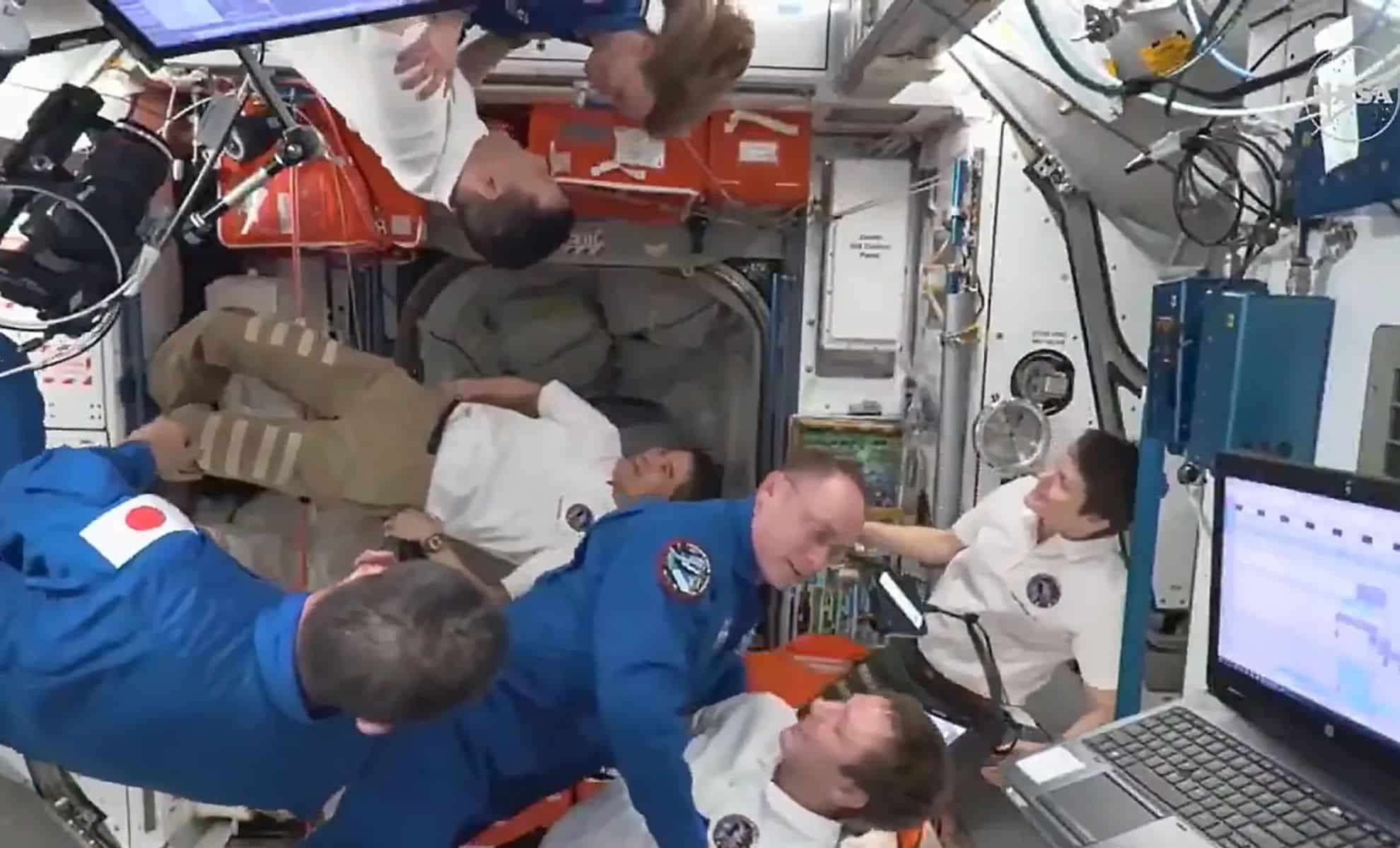
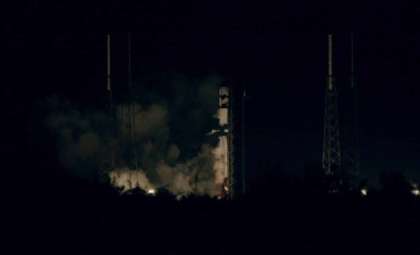
Highlighting the advancements in commercial space operations, SpaceX has swiftly transported an international crew to the International Space Station (ISS) within an impressive 15-hour window post-launch, as reported by AP News. Launching from NASA’s Kennedy Space Center, the capsule successfully rendezvoused with the orbiting station over the South Pacific the next day. This crew is set to embark on a six-month mission, taking over responsibilities from the prior crew stationed since March.
An International Team Arrives to Continue ISS Operations
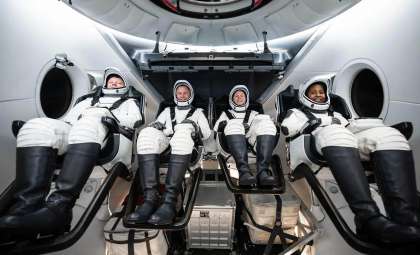
The astronauts aboard this mission—NASA’s Zena Cardman and Mike Fincke, JAXA’s Kimiya Yui, and Russia’s Oleg Platonov—bring a wealth of experience and showcase global cooperation in space exploration. Each was initially assigned to separate flights, but technical setbacks, particularly with the Boeing Starliner spacecraft, necessitated their reassignment to this SpaceX flight.
This reassignment highlights the complex coordination required in human spaceflight logistics. For instance, Oleg Platonov was originally slated for a Soyuz mission but was removed due to health concerns that have since improved. Despite diverse paths leading to this mission, the group arrived cohesive and motivated, temporarily boosting the ISS crew complement to 11 astronauts.

Delays with Starliner Prompt Crew Reassignments
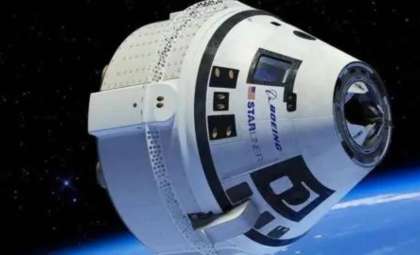
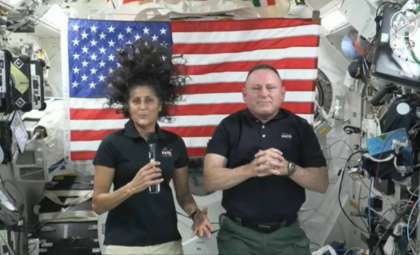
This mission underscores NASA’s continued dependence on SpaceX amidst ongoing issues with the Starliner program. Initially planned as a key asset for astronaut transport, Boeing’s Starliner has suffered from repeated technical faults, including thruster failures and additional malfunctions. A test flight last year unexpectedly extended the stay of Butch Wilmore and Suni Williams, who were intended to be aboard only briefly but ended up remaining for over nine months.
These complications caused a cascade of crew changes: Zena Cardman and another astronaut were reassigned from their initial missions to accommodate the prolonged Starliner crew, impacting both NASA and international staff arrangements. For Fincke and Yui, initially trained for Starliner flights, the shift involved transitioning back to SpaceX’s Crew Dragon spacecraft, exemplifying NASA’s nimble mission planning.
Record-Setting Speed Enhances U.S. ISS Access
The journey time of 15 hours marks one of the quickest crew transfers launched from the U.S., though the Russian Soyuz still holds the fastest record at approximately three hours. This flight demonstrates SpaceX’s growing prowess in ferrying astronauts to low-Earth orbit regularly and efficiently. Its success strengthens NASA’s Commercial Crew Program, emphasizing the importance of multiple providers for safety and mission assurance.
Rapid docking not only reflects precise mission execution but also improves crew wellness and operational turnover onboard the ISS. Shorter travel times minimize fatigue and enable faster crew transitions, vital for managing scientific research, station maintenance, and emergency preparedness.
Emotional Welcomes Highlight Human Side of Space Missions
Upon docking, the incoming astronauts received a warm greeting from the station’s current residents. Mike Fincke joyfully hailed, “Hello, space station!,” while Zena Cardman shared her awe: “Seeing the ISS appear in view was an incredibly beautiful moment.” These expressions reflect the profound human experience behind the high-tech missions.
The crew has now begun familiarizing themselves with station systems and conducting handover activities. Their duties include supporting extensive scientific investigations, maintaining essential systems, and preparing for extravehicular activities and Earth observations. Their presence continues NASA’s uninterrupted human space presence, now spanning over two decades.
NASA Navigates Complexities of Multiple Spacecraft Programs
While SpaceX consistently delivers strong results, NASA must balance its investments between government-led programs like Starliner and private partnerships. Boeing’s ongoing delays have disrupted crew timelines and sparked conversations about ensuring redundancy and risk management for future human spaceflight missions.
As the Commercial Crew Program evolves, maintaining access through a variety of spacecraft—including Crew Dragon, Starliner, and international partners such as Roscosmos—remains crucial. SpaceX’s reliable performance positions it prominently, raising considerations on how competitors will adjust to sustain NASA’s diverse and resilient crew transport capability.
- Categories:
- News





0 comments
Sign in to Comment