
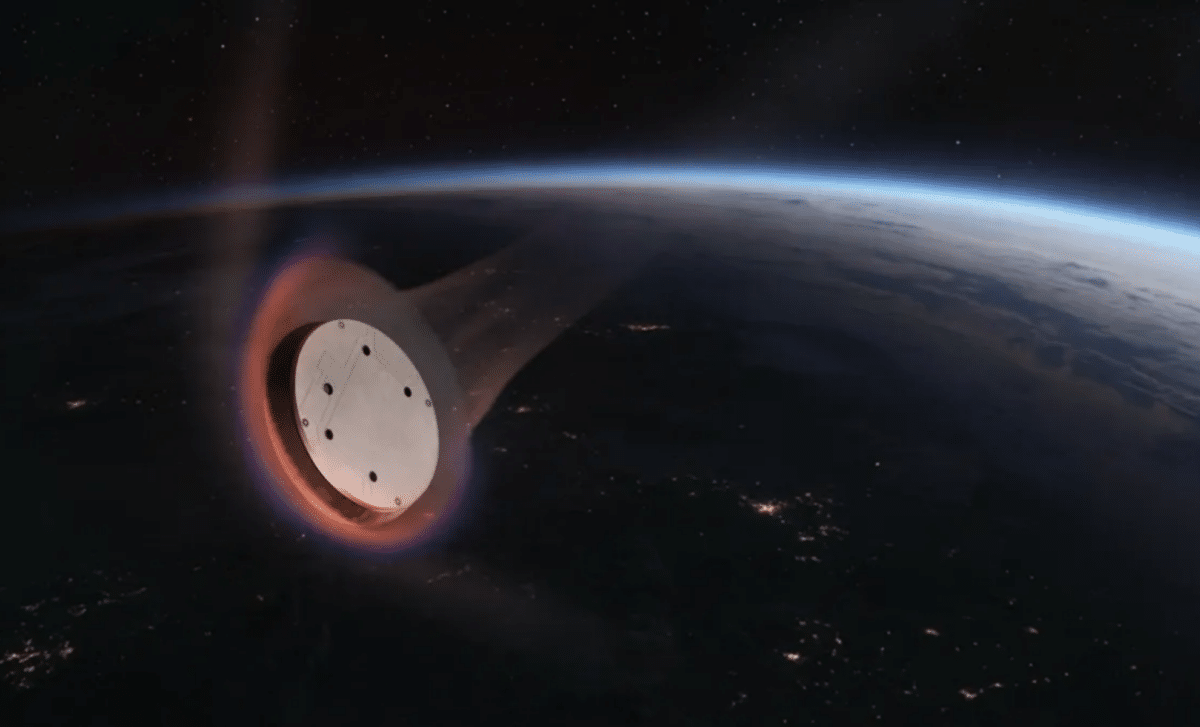
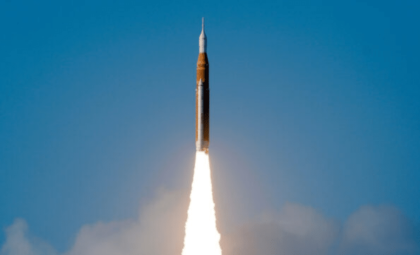
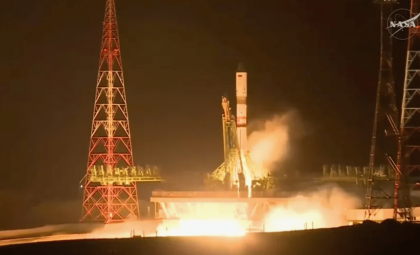
SpaceX has initiated its inaugural flight of the Starfall reentry capsule, paving the way for routine transport of scientific samples and manufactured goods back to Earth from space. As reported by Space.com, the capsule was deployed atop a Falcon 9 rocket at Cape Canaveral Space Force Station on June 23, debuting a craft engineered purely for returning cargo instead of passengers.
A Capsule Designed Specifically For Bringing Cargo Home
This mission marks more than just another Falcon 9 launch; Starfall adds a novel capability to SpaceX’s expanding fleet—safely retrieving payloads following extended sojourns in orbit. While the reusability of launch vehicles has advanced greatly, efficiently recovering valuable cargo has remained a significant industry hurdle.
Starfall was developed to meet this challenge. The capsule is built to carry payloads into Low Earth Orbit and potentially further, then ferry those materials back for examination, manufacturing, or commercial distribution. Its intended users include academic researchers, pharmaceutical developers, and emerging orbital factories needing physical samples reintroduced from microgravity conditions.

Watch Falcon 9 launch the Starfall Demo mission to orbit from Florida https://t.co/cxgrchwMco
— SpaceX (@SpaceX) June 23, 2026
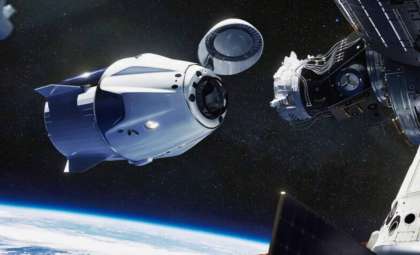
Unlike crewed vehicles like Crew Dragon, Starfall is dedicated solely to cargo transport with no capacity for astronauts. SpaceX anticipates growing demand for spacecraft that can return goods from orbit as more entities perform orbital experiments and manufacturing. Being able to retrieve these items efficiently may become a cornerstone of the expanding space economy.
This maiden voyage doubles as a test flight, enabling SpaceX to assess the capsule’s behavior through launch, orbital operations, reentry, and recovery. Details on how long Starfall would remain in space have not been publicly revealed.
Distinctive Features Compared to Other Return Capsules
Though still a niche sector, the orbital payload return market is gaining competitors. Varda Space Industries stands out with multiple successful returns using their compact W-series capsules.
Starfall distinguishes itself with larger dimensions and payload capacity. Reports from Space.com note the spacecraft spans roughly 10 feet wide and can haul up to 2,200 pounds of cargo—substantially bigger than many current commercial reentry vehicles.
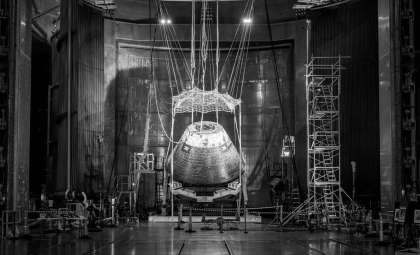
This capsule’s design contains two main parts: one section for cargo and attitude control, and a carbon-fiber heat shield that shields it during atmospheric reentry. These components separate during descent, facilitating parachute deployment and a safe ocean splashdown.
Starfall’s streamlined design omits a dedicated deorbit propulsion system. Instead, mission planners rely on the launch vehicle’s upper stage or orbital maneuvers to set the capsule on a return path. This simplifies the spacecraft and frees up weight capacity for payloads.
If proven reliable, Starfall may become favored by companies requiring greater return volume than existing solutions.
Potential Impact on Orbital Manufacturing
Starfall’s significance extends beyond the vehicle itself, underscoring a shift in the commercial space sector toward manufacturing value-added products in microgravity and safely bringing them back to Earth.
Scientists have long suggested certain materials, biological molecules, and pharmaceuticals benefit from space-based manufacturing because microgravity removes many terrestrial physical constraints, enabling novel processes and superior quality.
A major hurdle has been safely returning these products to Earth. Lacking dependable recovery systems has hindered commercialization of many promising orbital manufacturing techniques. Starfall addresses this by offering a dedicated cargo-return platform.
SpaceX is positioning itself to serve this emerging demand as interest in private space stations, commercial research missions, and orbital production facilities grows. With Starfall, customers could regularly launch experiments, produce materials in orbit, and retrieve finished goods all within a unified transport system.
This potential has elevated attention on Starfall well beyond spaceflight enthusiasts, promising to influence fields from medicine to advanced material science.
Falcon 9 Maintains Impressive Reliability
The Starfall capsule launched atop a seasoned Falcon 9 rocket with a lengthy flight record. Taking off from Space Launch Complex 40 in Florida, the booster completed yet another flawless recovery.
Known as B1078, the first stage flew its 29th mission. Its previous flights included ferrying astronauts on NASA’s Crew-6 mission, military payloads, and deploying numerous Starlink satellites.
After stage separation, the booster touched down on the autonomous drone ship A Shortfall Of Gravitas in the Atlantic. This recovery showcased the reliability of SpaceX’s reusable system, which remains a key to lowering launch costs and enabling projects like Starfall.
Although booster landings are routine, their role in economical space access and cargo-return development remains critical. The combination of reusable launchers and spacecraft signifies a trend toward more sustainable, efficient orbital operations.
Looking Ahead for Starfall
This initial flight marks the start of SpaceX’s Starfall program. Regulatory filings reveal plans for multiple upcoming demonstration missions aimed at refining operations. Each journey will provide insights into performance through intense phases like reentry and ocean recovery.
Open questions include mission durations, types of payloads, and how quickly SpaceX will expand service availability. Still, this first launch makes clear the company’s ambition to go beyond mere transport toward a holistic commercial space ecosystem.
As interest in orbital manufacturing and research grows beyond government initiatives, dependable cargo-return solutions will be vital. With Starfall operational, SpaceX is firmly in the race to support this expanding frontier.
- Categories:
- Space



0 comments
Sign in to Comment