
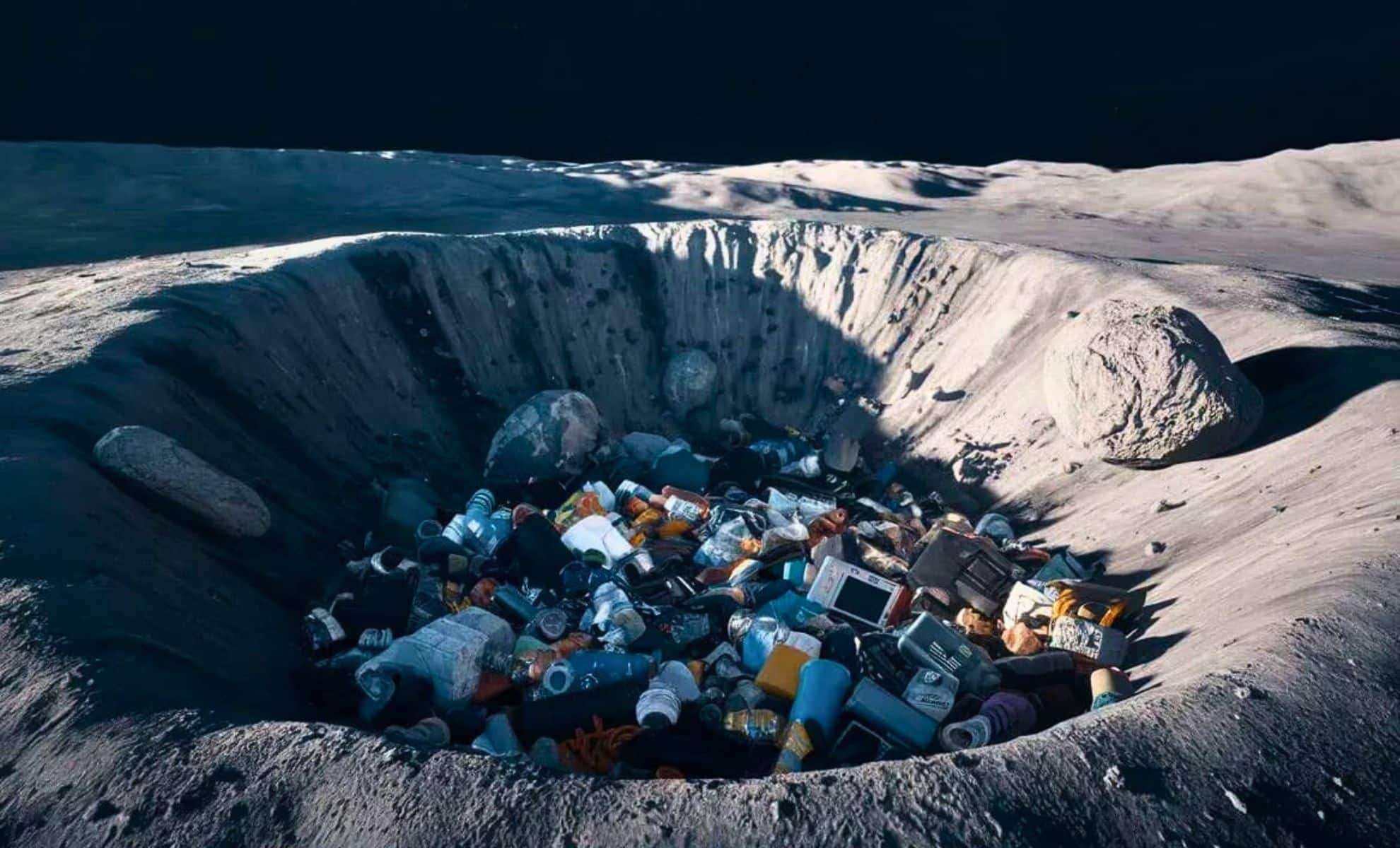
NASA has announced a groundbreaking challenge offering prizes totaling up to $3 million to tackle a critical obstacle in space travel: effective waste management during extended stays on the Moon.
Introducing the LunaRecycle Competition
The newly launched LunaRecycle Challenge focuses on the complex issue of solid waste disposal essential for sustained lunar habitats. NASA is calling on engineers, scientists, and inventive minds worldwide to develop solutions that go beyond simple trash containment.
The agency aims to promote circular, eco-friendly recycling technologies capable of operating autonomously for up to a full year-long mission on the Moon.

More than just cleanup, this challenge is a push for innovative breakthroughs that could define the future of human exploration beyond Earth.
A Two-Stage Approach to Lunar Waste Solutions
The contest is divided into two key phases. During phase one, participants must submit conceptual designs for systems tailored to a 12-month lunar expedition that emphasize environmental sustainability and maximize recycling and reuse.
Those advancing to phase two will then transform their concepts into reality by creating:
- a digital twin, which serves as a detailed virtual model of their system, and
- a physical prototype suitable for testing in Earth-based environments.
The rewards match the level of innovation expected: $1.4 million for the best-working prototype and $600,000 awarded for the leading digital twin model.
The Importance of Managing Moon Waste
Unlike the International Space Station, which can send waste back to Earth, lunar missions operate entirely independently. Consequently, treating waste as a valuable resource rather than mere refuse is essential.
NASA’s vision involves closing the recycling loop by converting waste into usable materials that could aid in tool fabrication, maintenance of habitats, and potentially manufacturing processes directly on the Moon. This approach aligns with in-situ resource utilization, a key concept for future journeys to Mars and beyond.
Earthly Benefits of Lunar Recycling Technologies
The impact of this challenge extends beyond outer space. NASA anticipates that solutions designed for extreme, remote settings could revolutionize waste recycling strategies on Earth.
Systems born from this contest may improve recycling efficiency in isolated regions, disaster zones, or heavily populated cities burdened by excessive waste.
The LunaRecycle Challenge could spark new sectors focused on minimal-impact, high-performance recycling technologies worldwide.
Global Participation Welcomed
Participants from across the globe, whether individuals or teams, are invited to join. While early involvement in phase one is recommended, entrants can still compete in phase two. Initial designs are due by March 31, 2025, with winners to be announced shortly afterward.
This contest highlights NASA’s growing dedication to collaborative innovation. As the agency prepares for its Artemis program and permanent lunar settlements, it encourages global contributors to help create a more sustainable future both in space and on Earth.
Originally Published on November 21, 2024.






0 comments
Sign in to Comment