

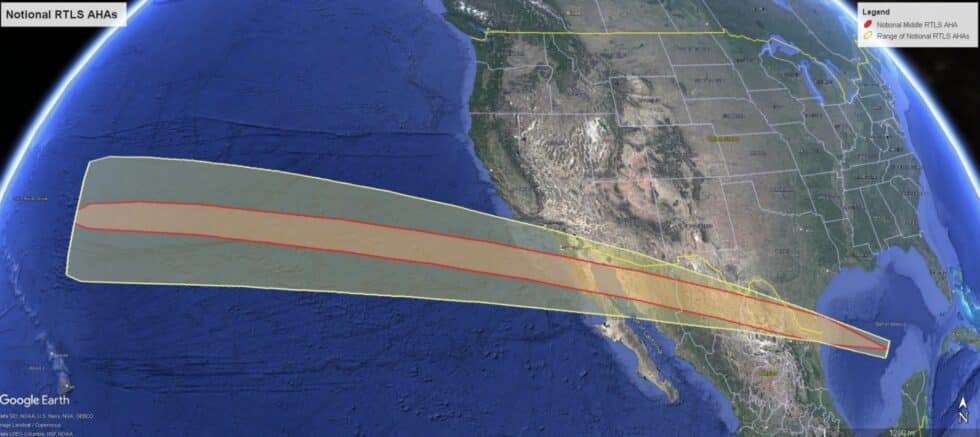
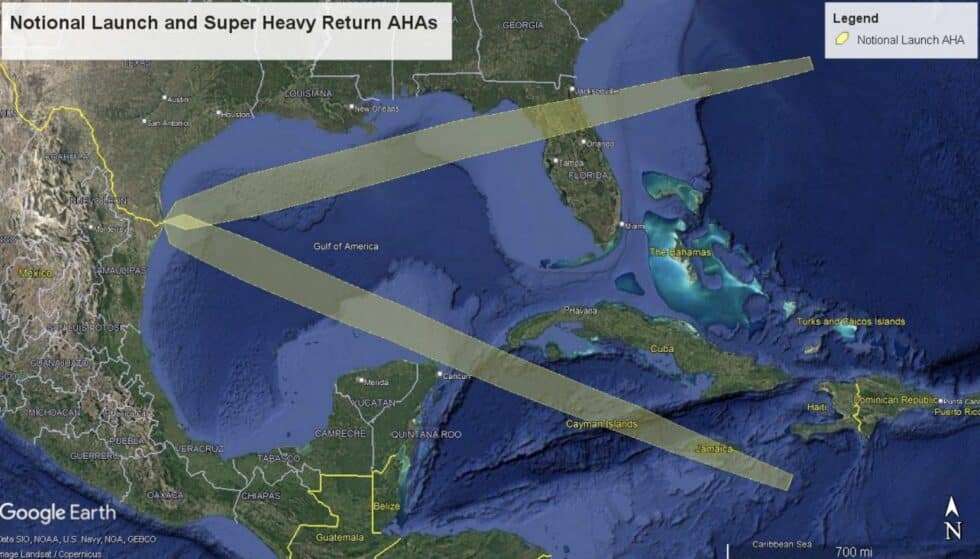
SpaceX is gearing up for a groundbreaking phase in its Starship program. Soon, the spacecraft will traverse populated areas on its return journey from orbit—an unprecedented event for this vehicle. The planned flight path covers zones in Mexico and southern Texas, deliberately avoiding dense urban regions to ensure safety.
Previous Starship trials concluded with splashdowns at sea, following curved suborbital trajectories. These earlier flights did not complete a full orbit around Earth. Now, aiming for low-Earth orbit missions, the project is advancing to more complex operations. SpaceX aims to perform a return-to-launch-site (RTLS) maneuver, guiding Starship back to its Texas base after orbit insertion.
Complex Flight Path Over South Texas
Unlike Florida’s Cape Canaveral, where rockets launch over open water, Starship’s location in South Texas presents a challenging corridor. The ascent heads eastward over the Gulf of Mexico, which means its return from orbit will approach from the west, flying over land—including areas across Mexico and southern U.S. territory.

This trajectory has been anticipated from early planning stages. According to a recent FAA environmental report, SpaceX’s flight paths are carefully designed to bypass major metropolitan areas, focusing on routes over sparsely inhabited regions. The FAA’s draft Tiered Environmental Assessment explains how this approach reduces potential hazards on the ground.
Starship V3 Introduces Enhanced Features
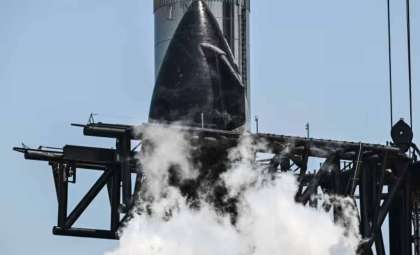
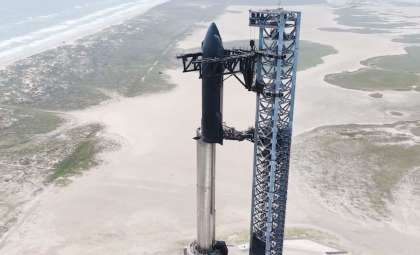
The upcoming missions will utilize the advanced Starship V3 version. This updated spacecraft measures 171 feet (52.1 meters) tall, and when combined with its Super Heavy booster, the full system reaches 408 feet (124.4 meters) in height. Constructed with stainless steel, the vehicle is engineered for complete reusability.
While the booster’s recovery has been achieved, SpaceX still aims to recover the upper stage—an essential goal for the program’s success. If the upcoming test flights go well, Starship will attempt a full orbital return and mid-air capture via the launch tower arms at the Starbase facility.
Impact of Reusability on Space Missions
Achieving RTLS recovery of both rocket components would mark a significant milestone for SpaceX’s vision. This technology is key to Elon Musk’s goal of affordable and rapid access to space. Capturing the upper stage with tower arms could remove ocean landings from the equation, speeding up the turnaround between launches.
Earlier this year saw two unsuccessful launch attempts, underscoring the complexity of full orbital reusability. However, upcoming tests may change the outlook dramatically. Demonstrating Starship’s ability to safely return from orbit would confirm the feasibility of fully reusable spacecraft.
In the near future, residents of Texas and Mexico might witness a historic event: the atmospheric return of the largest spacecraft ever built. Success here could signal a transformative era in orbital spaceflight.
- Categories:
- News









0 comments
Sign in to Comment