
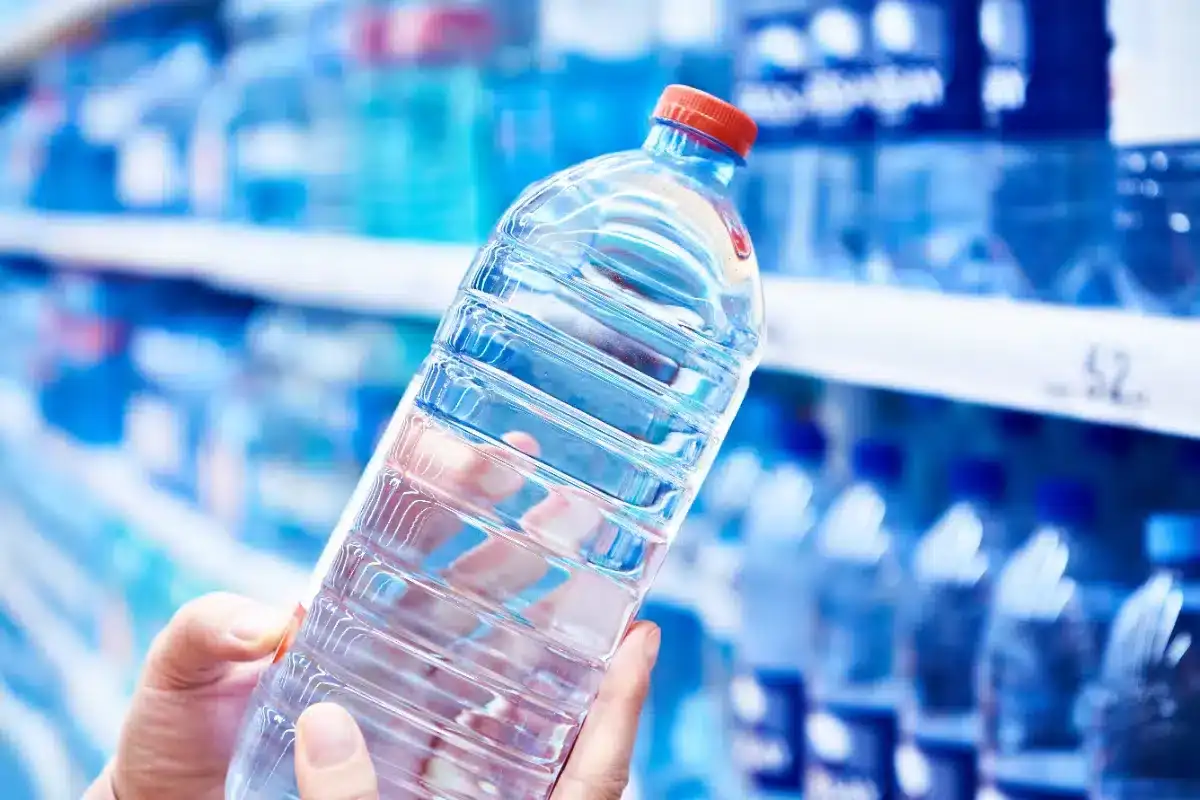
Awareness has grown about the infiltration of minute plastic particles in our environment. A 2024 study led by scientists from Columbia and Rutgers Universities, published in the Proceedings of the National Academy of Sciences, reveals surprising insights about microplastic contamination in bottled water, challenging assumptions about its safety compared to tap water.
Detecting microplastic pollution in bottled water
The investigation detected an average of 240,000 plastic particles per liter in bottled water samples. The majority of these were nanoplastics, constituting 90% with sizes under 1 micrometer, while the remaining 10% fit within the microplastic size range of 1 micrometer to 5 millimeters. Due to their microscopic scale, these particles can enter the bloodstream and accumulate in vital organs such as the brain and heart, raising health concerns. Wei Min, a chemistry professor at Columbia and co-author of the study, remarked, “Their minuscule size makes them easily mistaken for natural cellular components.”
Utilizing cutting-edge stimulated Raman scattering microscopy combined with artificial intelligence, the researchers distinguished seven distinct plastic types in the bottled water, including polyethylene terephthalate (PET). Columbia’s research professor Beizhan Yan explained that bottles with a high number of PET fragments generally contained fewer particles derived from other plastics used during water treatment.

Origins of the contamination and its broader meanings
The research identified multiple contamination sources contributing plastic debris to bottled water. PET, commonly used in manufacturing plastic bottles, was a primary contributor. Additionally, filtration and purification stages during bottling also introduced plastic fragments, suggesting that even rigorous cleaning methods can unintentionally add microplastics.
Remarkably, only one tested bottled water brand showed no traces of micro- or nanoplastics. Although the specific brand was not disclosed, this discovery demonstrates that it is feasible to produce bottled water devoid of these contaminants through stringent filtration and packaging controls.
These revelations prompt consumers who rely on bottled water daily to reassess their drinking choices and question the purity of the products they consume. The findings also emphasize the necessity for expanded investigations into plastic contamination from various environmental and industrial sources.
Advancing research on microplastic exposure
The researchers are continuing their work beyond bottled water, expanding their analysis to tap water, packaged foods, and even human tissues to better understand the extent of microplastic infiltration. They will also investigate how these particles impact neurological development and overall health.
Beizhan Yan described this research frontier as “largely uncharted,” highlighting that most prior toxicity testing relied on estimated exposure rather than precise measurements. With these innovative techniques, scientists can now embark on a deeper exploration of microplastic prevalence in daily life.
As awareness grows about microplastic contamination in bottled water, it becomes essential to revisit how water is filtered and packaged. This study serves as an urgent call to action, encouraging stricter standards and cleaner water options to safeguard public health.
- Categories:
- News










0 comments
Sign in to Comment