
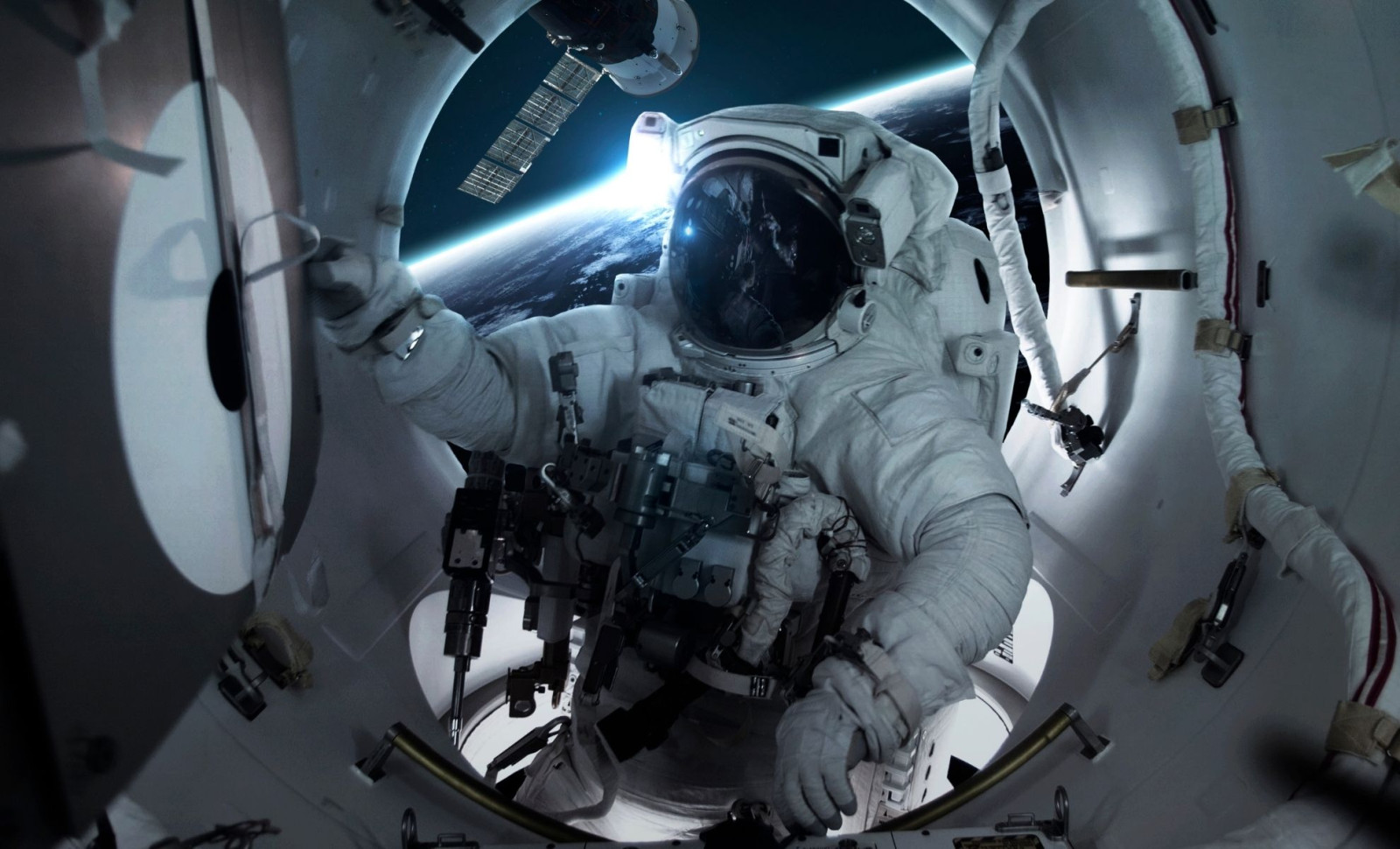
Recent research uncovers how the absence of gravity alters brain positioning, causing it to move and deform inside the skull, which can impact balance and motor skills. Published in the journal PNAS, the study highlights how Earth's gravity stabilizes the brain, while cerebrospinal fluid cushions it. In the microgravity environment of space, this gravitational support vanishes.
Previous observations confirmed that the brain shifts upward when in orbit, but the new study reveals that this shift is part of a more complex reshaping process that affects astronauts' neurological function after returning to Earth.
Notable Brain Structural Modifications After Extended Spaceflight
The Proceedings of the National Academy of Sciences reports that a team at the University of Florida, led by Rachel Seidler, assessed MRI images of 26 astronauts before and after their missions aboard the International Space Station. These results were compared to MRIs from 24 individuals on Earth who undertook 60 days of head-down tilt bed rest, a practice that simulates the fluid shifts caused by weightlessness.

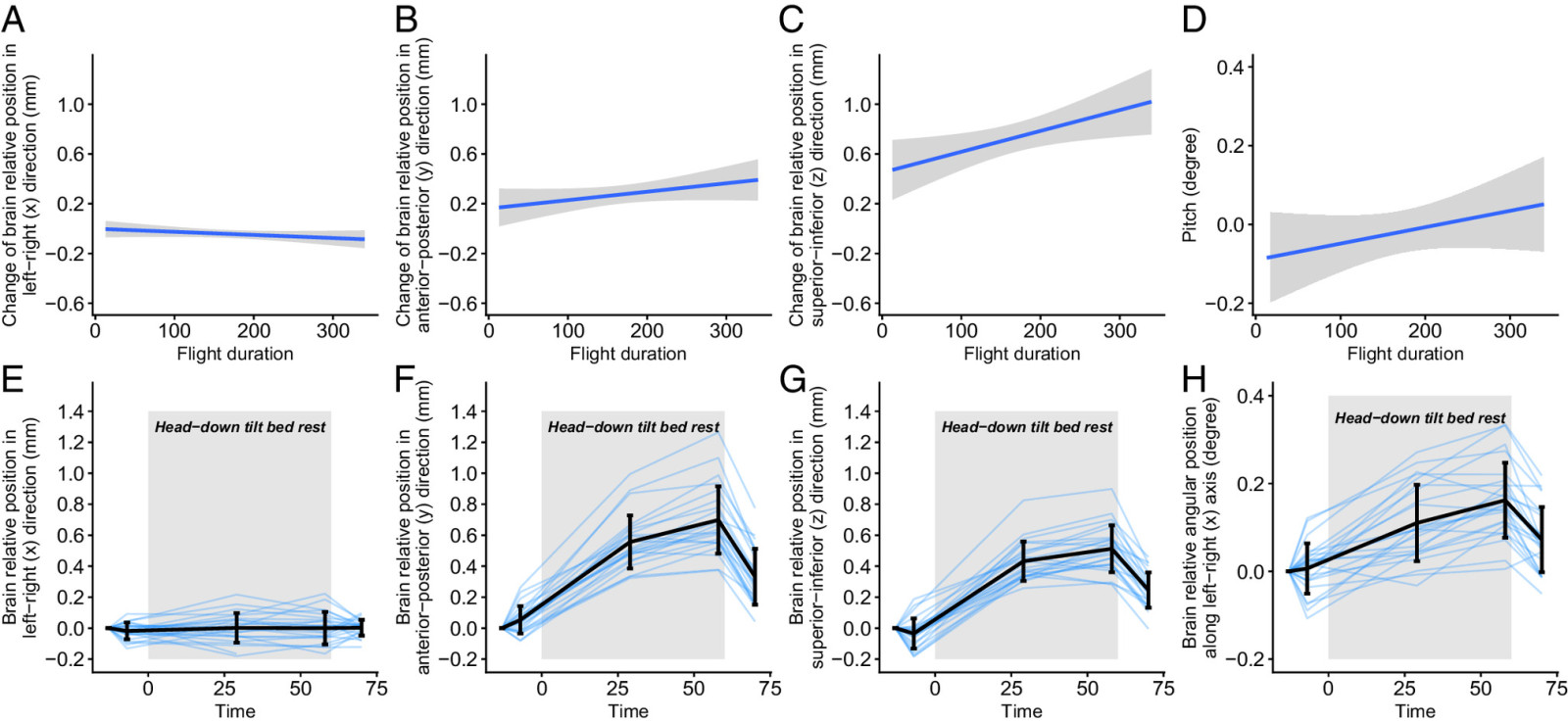
Clear distinctions emerged: both astronauts and bed rest participants experienced an upward brain movement, but astronauts' brains moved more significantly. For example, the supplementary motor cortex, crucial for coordinating movement, shifted upward roughly 2.5 millimeters for those on year-long missions.
This shift was uneven, with the area compressing at the top and rear while other parts stretched. These results confirm that spaceflight modifies how the brain is situated and shaped within the skull.
Effects on Post-Mission Balance and Coordination
The researchers linked these anatomical changes with astronauts’ difficulties in balance tests following their return to Earth. Greater brain displacement was associated with more pronounced postural instability, which frequently troubles returning space travelers.
Regions implicated in spatial awareness and motor control seem particularly affected. The team stressed the importance of studying how these brain shifts translate into behavioral and functional impacts to better understand spaceflight’s influence on human abilities.
Limitations of Earth-Based Microgravity Simulations
In addition to studying astronauts, the scientists analyzed volunteers subjected to head-down tilt bed rest. Although these individuals also displayed brain movement, the extent was notably less than that seen in astronauts.
“We demonstrate comprehensive brain position changes within the cranial compartment following spaceflight and an analog environment. These findings are critical for understanding the effects of spaceflight on the human brain and behavior,” explained the authors.
This difference indicates that actual microgravity produces unique effects beyond those achievable by simulation. The brain reacts distinctively when true weightlessness is experienced rather than just a shift in gravitational forces. As the researchers further point out:
“The health and human performance implications of these spaceflight-associated brain displacements and deformations require further study to pave the way for safer human space exploration.”
- Categories:
- Space










0 comments
Sign in to Comment