
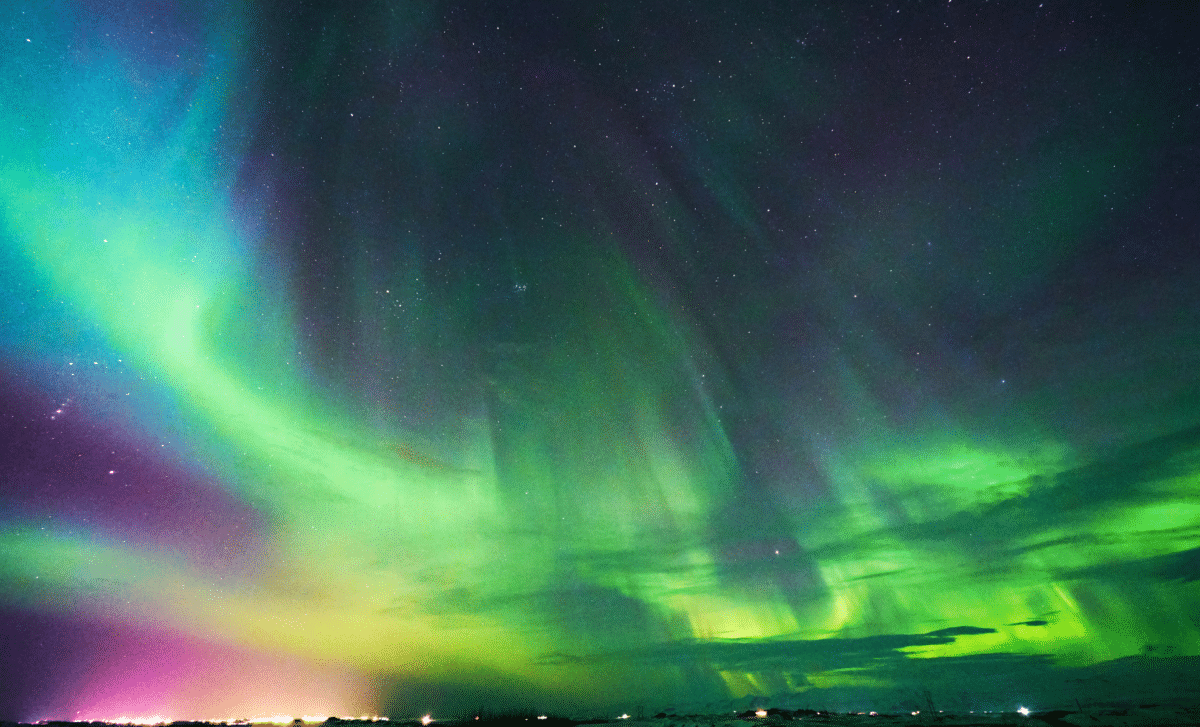
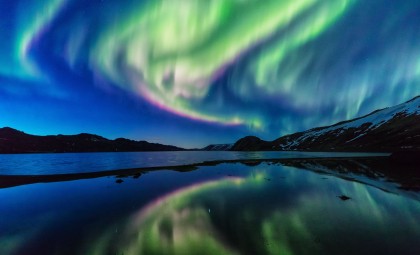
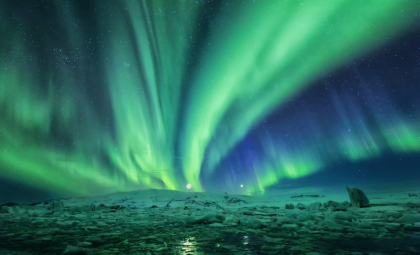
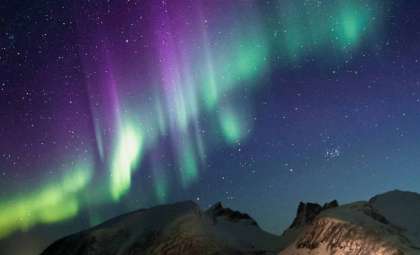
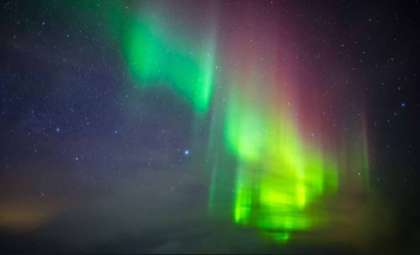
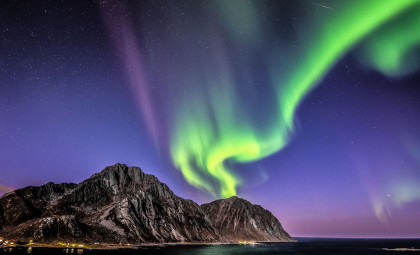
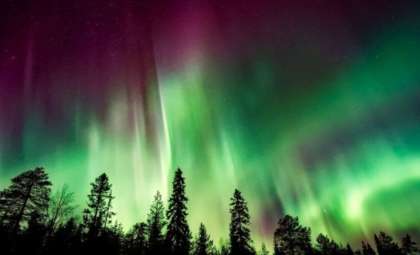
Tonight, March 31, 2026, a rare and captivating aurora display is expected as Earth encounters a rapid coronal mass ejection (CME) emitted from the Sun. Monitored by NOAA, this event could light up the night skies from Alaska through Wyoming, delighting observers in 16 U.S. states with a remarkable natural light show. The geomagnetic activity sparked by this CME might enhance the intensity of northern lights, providing a spectacular viewing opportunity.
Understanding the CME: A Solar Event in Motion
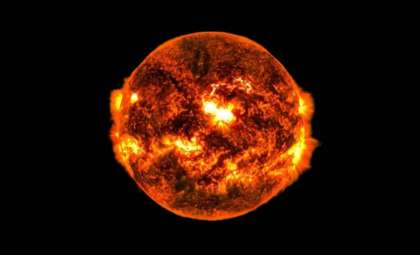
A coronal mass ejection, a massive expulsion of solar plasma and magnetic fields, is hurtling toward Earth at roughly 1,118 miles per second (1,900 km/s). Originating from an X1.4-class solar flare on March 30, 2026, this CME is anticipated to skim past Earth’s magnetosphere, generating a moderate geomagnetic storm. Although it won’t strike Earth directly, this near miss can still trigger auroras farther south than usual.
Beyond the dazzling auroras, such solar phenomena underscore the Sun’s dynamic and volatile behavior. CMEs also pose risks to satellites, electrical infrastructure, and navigation systems, emphasizing the importance of ongoing space weather research.

Where to Spot the Aurora According to NOAA
NOAA’s latest aurora forecast predicts possible geomagnetic storm conditions visible across northern parts of the U.S. and southern Canada. The 16 states where the northern lights may be observed include:
- Alaska
- North Dakota
- Minnesota
- Montana
- Wisconsin
- South Dakota
- Idaho
- Michigan
- Maine
- Vermont
- New Hampshire
- Washington
- Oregon
- Iowa
- New York
- Wyoming
These regions lie fully or partly within the predicted aurora visibility zone, where geomagnetic disturbances will be most prominent. Auroras arise when charged solar particles collide with Earth's magnetic environment, generating vivid light displays. While usually seen closer to the poles, this event could extend the spectacle into the U.S. Midwest and Northeast.
Optimal Viewing Times and Tips
For those eager to witness the northern lights tonight, timing and location are crucial. NOAA forecasts that geomagnetic activity will intensify as evening approaches, peaking between 9 p.m. and midnight local time, with viewing opportunities spanning from 5 p.m. until 2 a.m. on April 1. Keep in mind this schedule may shift slightly based on the CME’s arrival and strength.
Choose a dark site with an unobstructed northern view, away from urban light pollution. Allow your eyes 20–30 minutes to adjust to the darkness to perceive the aurora’s true colors. Dress warmly for nighttime chills common across northern states, and be prepared for the aurora’s sudden appearance and disappearance.
- Categories:
- News


0 comments
Sign in to Comment