
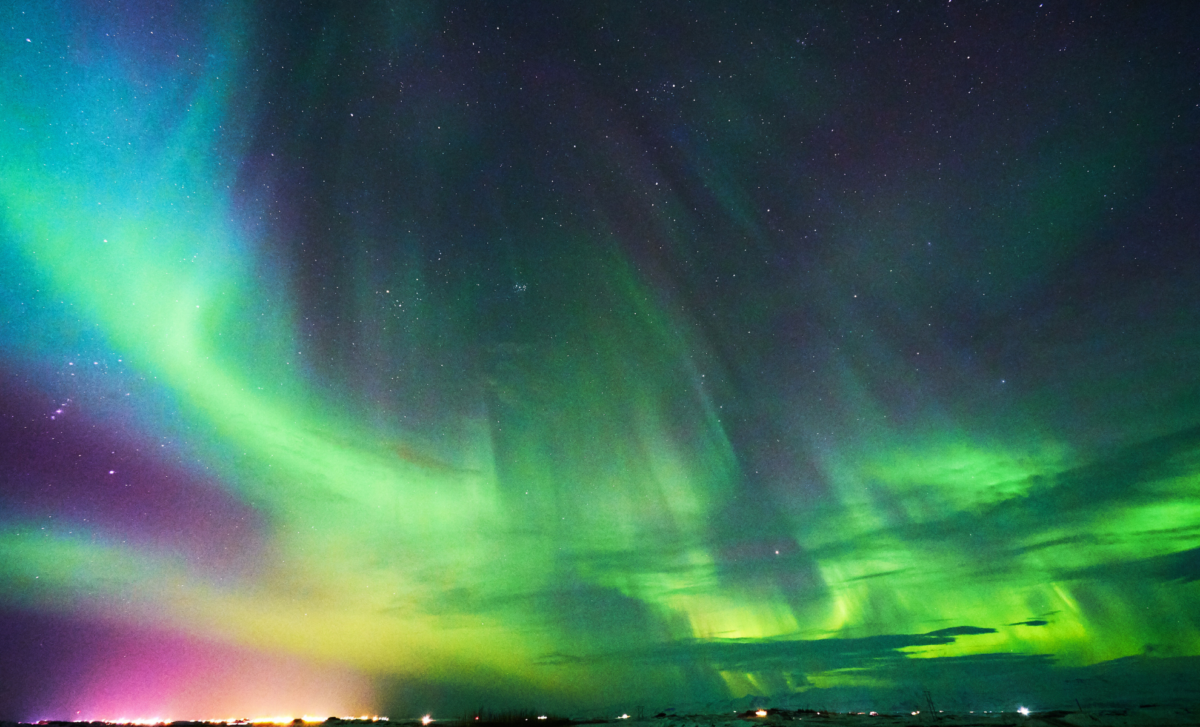
An intense solar storm is set to strike Earth, generating heightened geomagnetic disturbances visible in multiple northern U.S. states this evening, according to NOAA's most recent space weather update. Originating from a powerful solar flare, this event may produce breathtaking auroral displays and could impact satellite operations and electrical grids. This uncommon occurrence offers a spectacular chance for observers and highlights critical effects on both natural systems and modern technology.
Understanding the Phenomenon: What’s Driving the Solar Activity?
Geomagnetic storms result when solar particles interact with Earth’s magnetic shield. The incoming storm, rated G3 (strong class), was set in motion by a significant solar flare emerging from the Sun earlier this week. As stated by the National Oceanic and Atmospheric Administration (NOAA), the storm’s severity is sufficient to potentially disrupt technological systems, particularly satellites and communication channels.
Although solar flares are relatively frequent, they can affect Earth in various ways, such as inducing electrical currents in power lines that may cause blackouts or grid failures. GPS and communication networks, especially those vital to aviation and defense, could face interruptions. Additionally, radiation from the storm poses hazards to astronauts and flights at high altitudes.

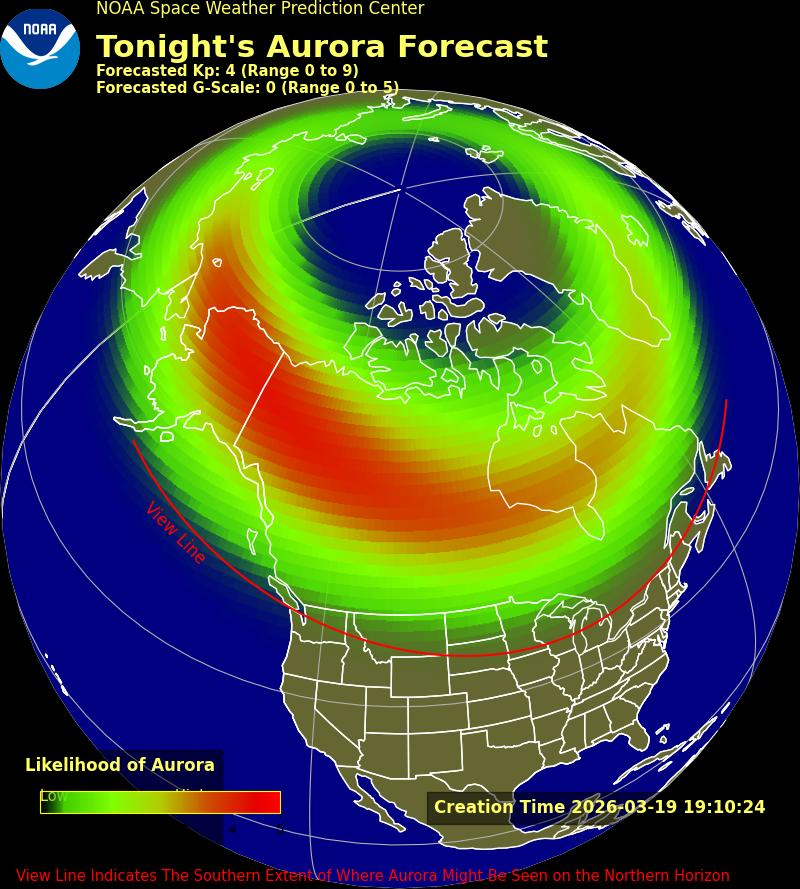
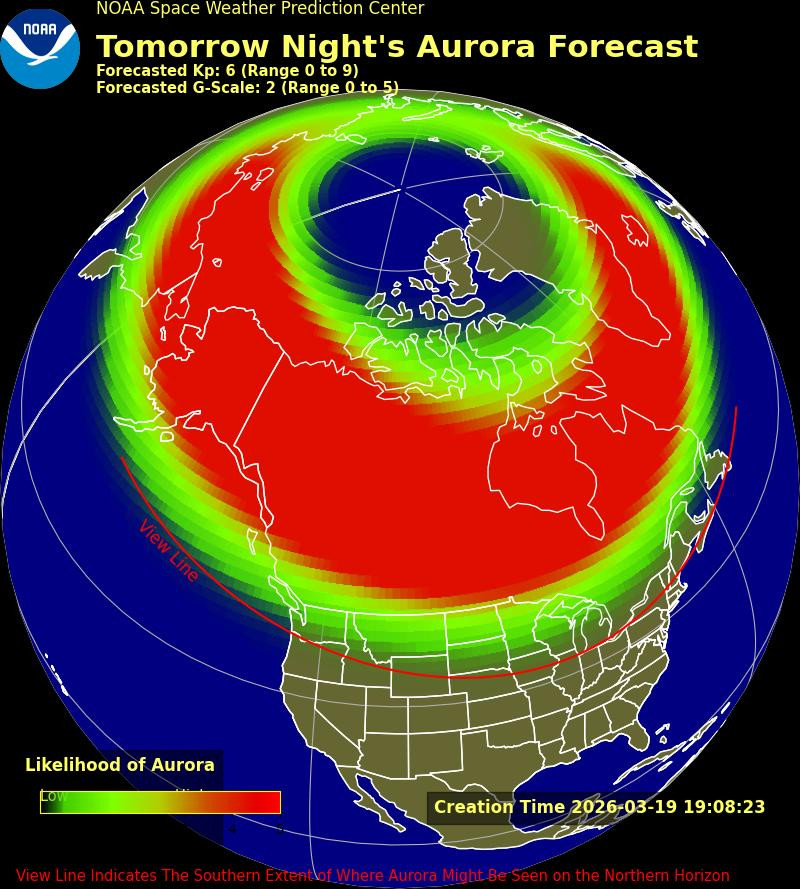
What makes this solar event intriguing is its extensive visibility. NOAA forecasts that the strong flare will generate a remarkable aurora visible in numerous northern U.S. states. The auroras, typically confined near Arctic regions, are anticipated to be seen as far south as Illinois and New York tonight. This rare opportunity excites both astronomers and casual stargazers alike.
Best Spots and Timing for Viewing the Aurora
Beyond being a significant scientific event, this solar storm offers a captivating natural show for residents in the affected zones. The auroras will be visible across numerous northern states including Alaska, North Dakota, Minnesota, Montana, Washington, Idaho, Wisconsin, South Dakota, Michigan, Maine, Vermont, New Hampshire, Oregon, Wyoming, Iowa, Nebraska, New York, and Illinois. Clear and dark skies free from urban light pollution will provide the best viewing conditions.
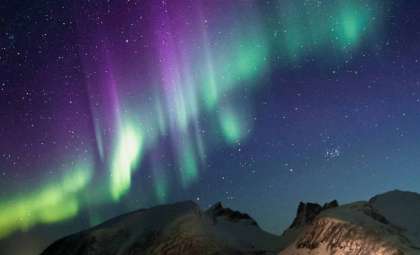
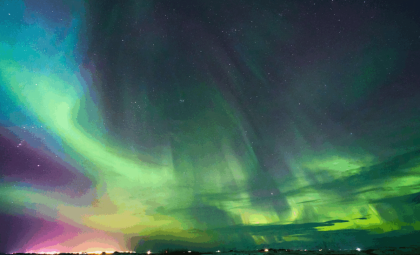
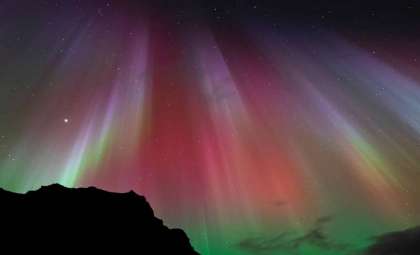
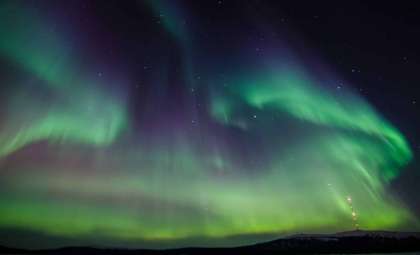
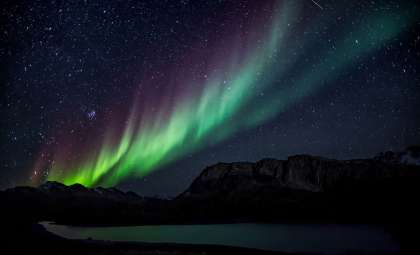
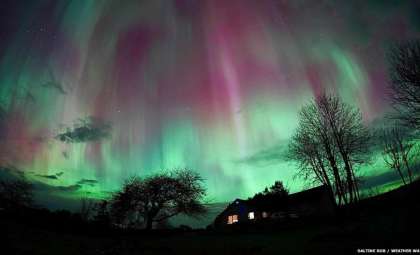
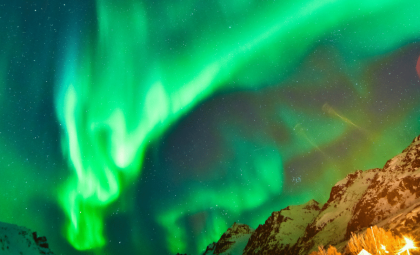
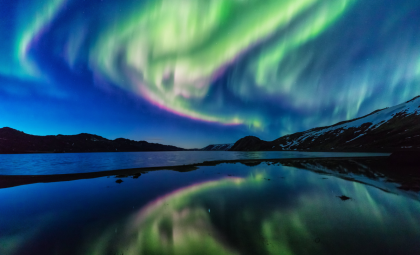
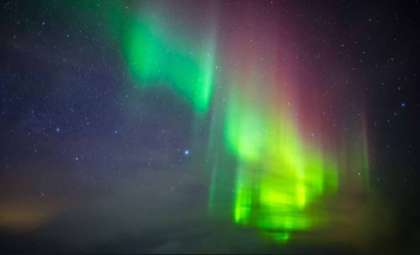
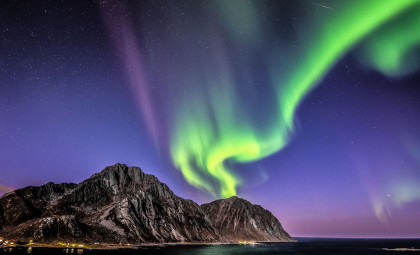
Ideal viewing hours are after nightfall, with peak auroral activity projected between 10 p.m. and 2 a.m. local time. Observers should seek locations distanced from city illumination, such as rural or elevated areas. The aurora typically appears as shimmering curtains of light drifting across the sky in vibrant hues of green, pink, and occasionally red and purple.
While the strongest displays will occur in northern states, some regions further south might witness fainter auroral effects, though they are unlikely to experience the full spectacle.
The Science of Space Weather: Insights from NOAA
Per NOAA’s Space Weather Prediction Center, this solar storm was caused by a large coronal mass ejection (CME) emanating from the Sun. This CME propelled millions of tons of charged particles into space, traveling at velocities reaching 2,500 kilometers per second. Upon encountering Earth’s magnetic field, these particles create the dazzling auroral displays that captivate skywatchers.
NOAA has long monitored solar phenomena to minimize the adverse impact of solar storms on our technology. Utilizing satellites and space-based instruments, NOAA forecasts solar storms’ arrival and tracks their progression, issuing alerts for potential disruptions. These efforts enhance scientific understanding of solar dynamics while safeguarding vital infrastructure like satellites and power networks.
Local authorities and residents in affected areas have received warnings from NOAA to prepare appropriately. Although the immediate disruptions to technology are expected to be limited, this event underscores the critical role of ongoing space weather observation and forecasting.
- Categories:
- News


0 comments
Sign in to Comment