
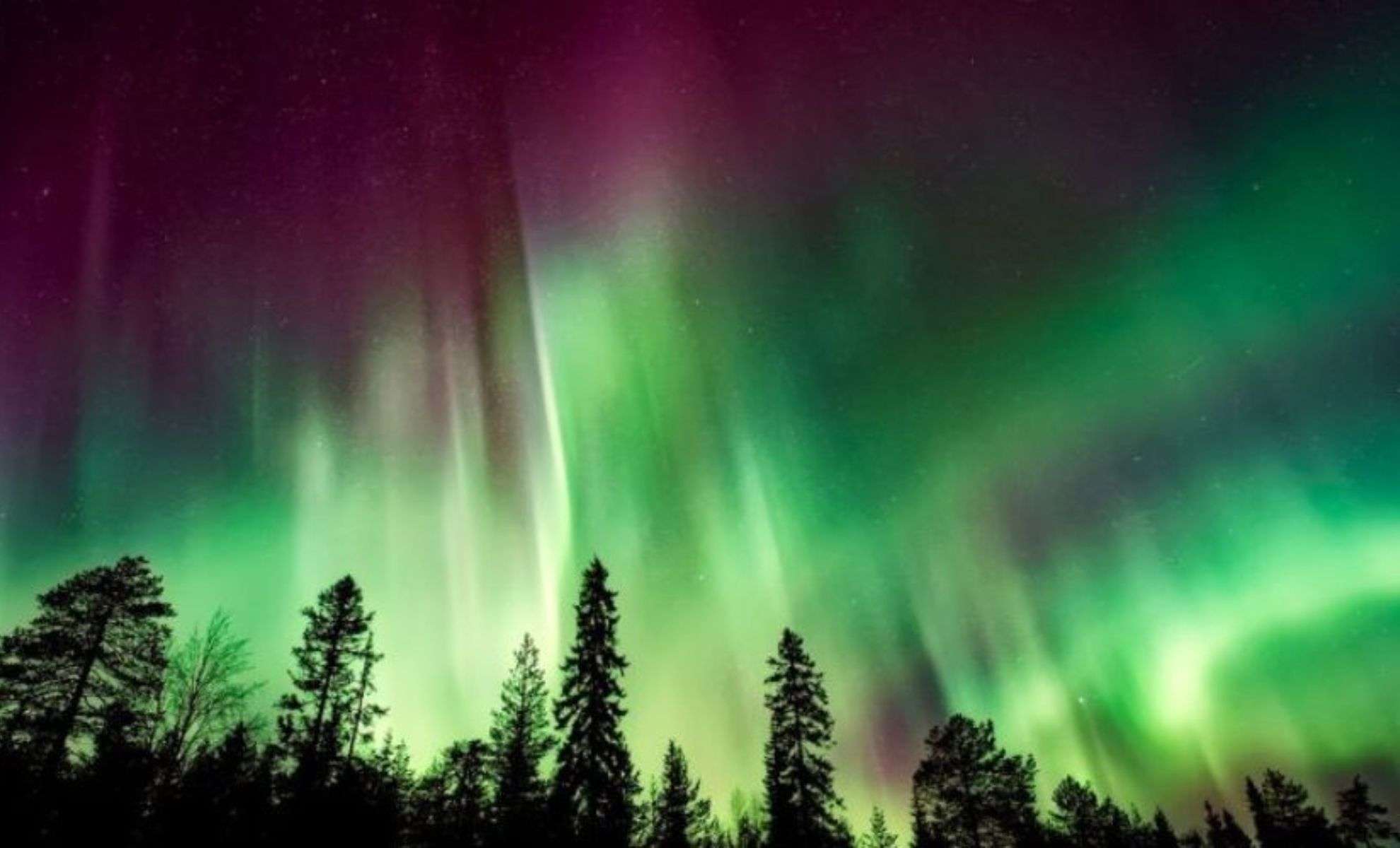
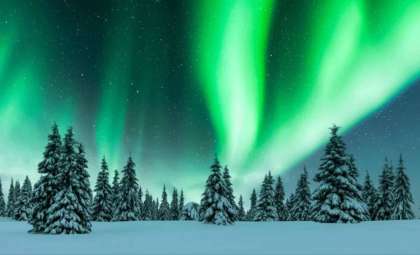
An intense geomagnetic disturbance is expected soon, potentially lighting up the night with stunning northern lights visible much farther south than usual. Typically confined to high-latitude regions, this auroral event could extend to states like Illinois and Oregon, and perhaps even further. Recent solar activity has been heightened, featuring several coronal mass ejections (CMEs) and a notable X-class solar flare. These powerful solar events have set the stage for an impressive aurora spectacle. If predictions hold true, over the next couple of nights, vast areas across North America might witness the vibrant glow of charged particles interacting with Earth's atmosphere, painting the sky in brilliant colors rarely seen this far south.
The Unique Nature of This Geomagnetic Event
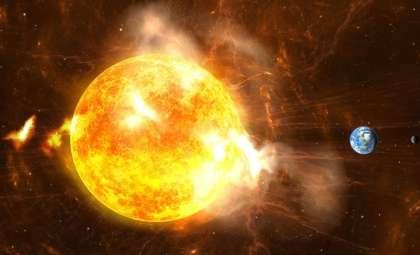
Central to this phenomenon are multiple CMEs, which are enormous releases of plasma and magnetic energy from the Sun’s outer atmosphere. Recent solar eruptions have been notably energetic, including a strong X-class flare linked to this upcoming geomagnetic storm. When these solar bursts reach Earth's magnetosphere, they send charged particles colliding with atmospheric gases, creating vivid aurora displays.
The recent surge in solar activity has been described by astrophysicist Ryan French as an extraordinary chance:
“The Sun has really stepped up over the past few days, with frequent solar flares including a strong X-class event! A selection of these flares produced Earth-directed eruptions, expected to trigger a strong geomagnetic storm (bringing aurora) on the 31st!”

These strong geomagnetic storms, rated G3 by NOAA, can push auroral visibility well beyond its normal latitude, making it a rare occasion for viewers situated outside traditional aurora zones.
Timing and Best Spots to Catch the Aurora
Forecasts pinpoint two main windows for the storm’s peak:
- From 10 p.m. EST on December 30 to 10 a.m. EST on December 31
- Between 4 p.m. EST and 10 p.m. EST on December 31
During these times, auroras might be observed as far south as Illinois, Oregon, and possibly even at lower latitudes. Although space weather predictions are inherently uncertain, the data signals a strong chance for a magnificent aurora show.
Given NOAA’s G3 level alert, expect pronounced geomagnetic activity with potential for bright and widespread northern lights. For the best viewing, seek areas with minimal light pollution and clear skies, as clouds and city lights can diminish visibility.
Preparing for an Amazing Aurora Viewing
To enhance your experience when chasing these rare lights, consider the following advice:
- Select dark, rural locations away from urban glow to optimize sightlines.
- Monitor weather conditions regularly for clear, cloud-free nights ideal for aurora spotting.
- Utilize aurora tracking apps like “My Aurora Forecast & Alerts” or “Space Weather Live” to get real-time updates based on your location.
- Dress warmly and be patient—depending on where you are, the auroras might take a while to appear amidst cold night conditions.
The Broader Importance of This Phenomenon
Geomagnetic storms of this scale not only offer a spectacular visual feast but also highlight the powerful impact the Sun has on Earth. The dynamic interaction of solar wind with our magnetic field creates these mesmerizing auroras, mesmerizing observers for thousands of years. Many consider witnessing the northern lights a rare and unforgettable event, and this storm presents a chance to see them well beyond their usual northern territories.
As the New Year approaches, this celestial showcase is a beautiful reminder of our connection to the cosmos. Whether you’re an astronomy enthusiast or just curious about natural wonders, this geomagnetic storm is an exceptional chance to enjoy the night sky’s dazzling wonders.
- Categories:
- News









0 comments
Sign in to Comment