
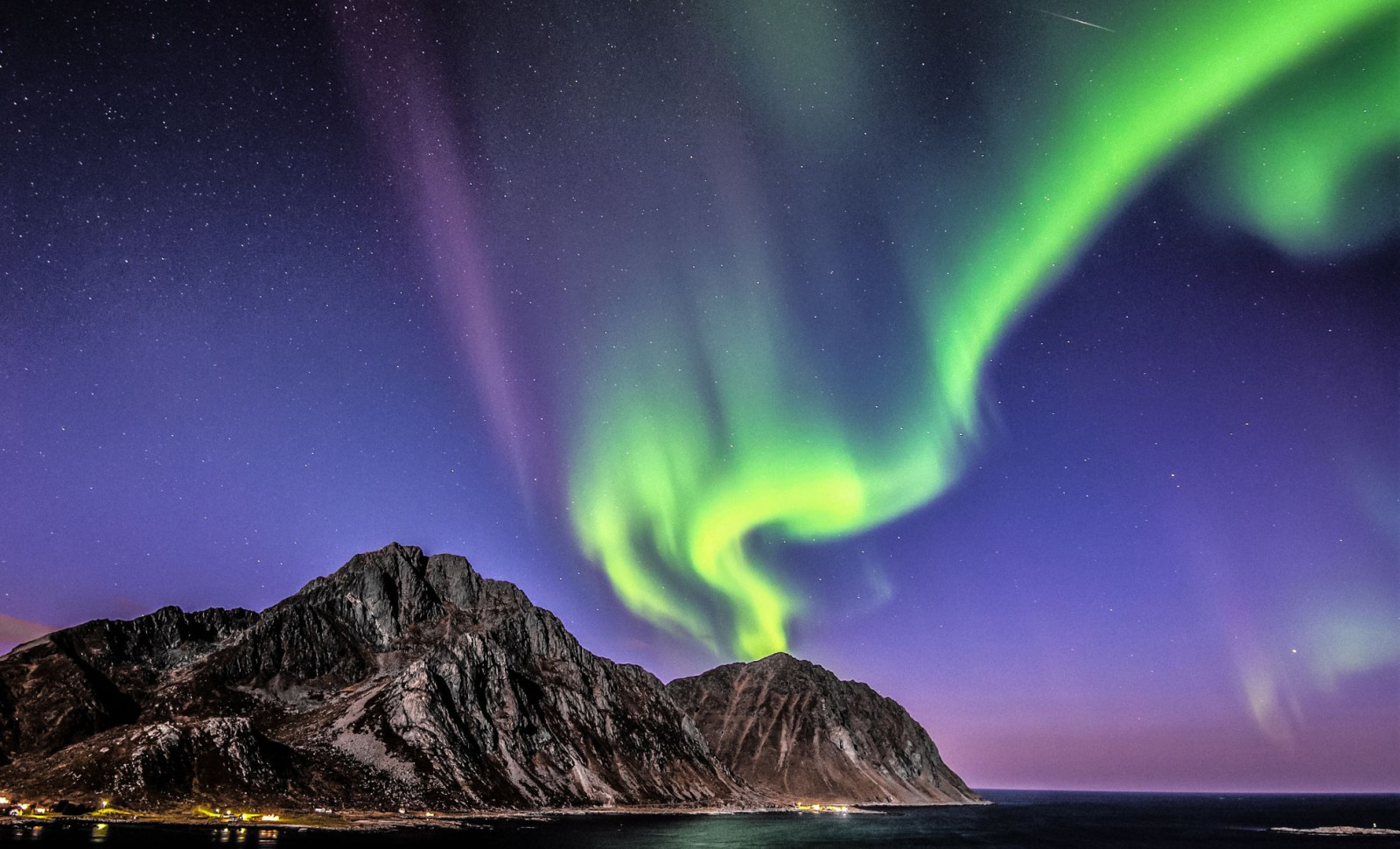
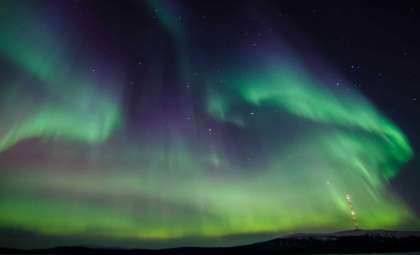
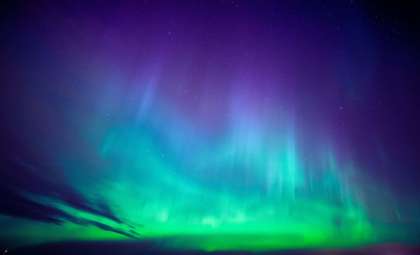
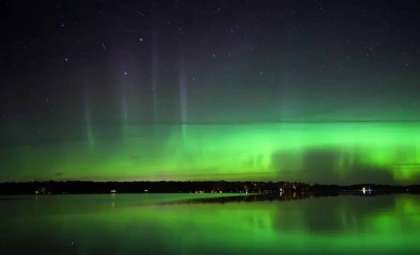
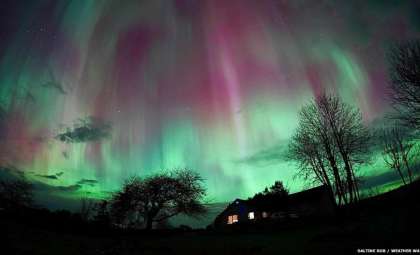
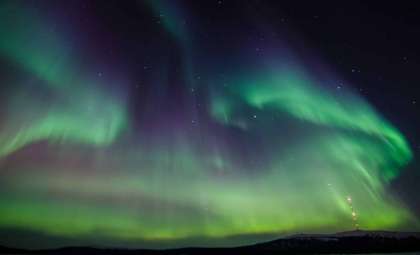
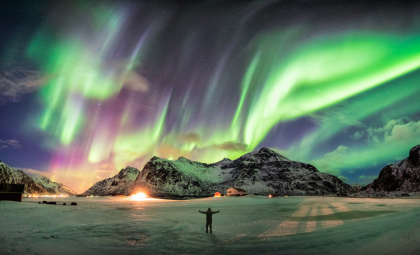
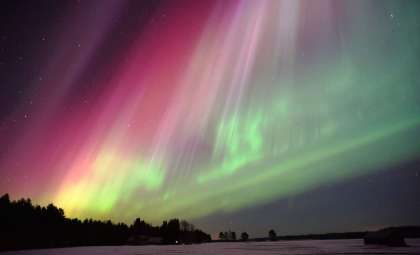
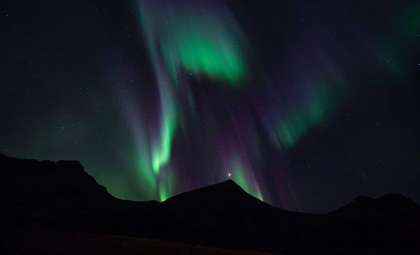
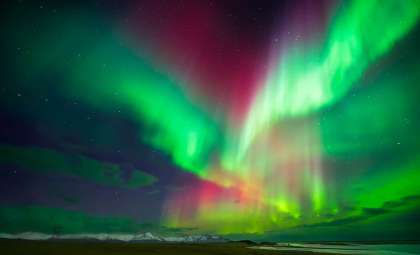
A spectacular celestial event is anticipated this week as the Northern Lights become visible over 15 northern U.S. states. This breathtaking phenomenon is sparked by a G1-level geomagnetic storm caused by an influx of solar wind.
The storm originates from a combination of a coronal mass ejection (CME) and a co-rotating interaction region (CIR), both describing disturbances in solar wind patterns. These disturbances are expected to push the aurora borealis further south than usual. The National Oceanic and Atmospheric Administration (NOAA) predicts the storm will reach its peak intensity overnight, although precise timing of such space weather events can be uncertain.
Regions Most Likely to Witness the Northern Lights
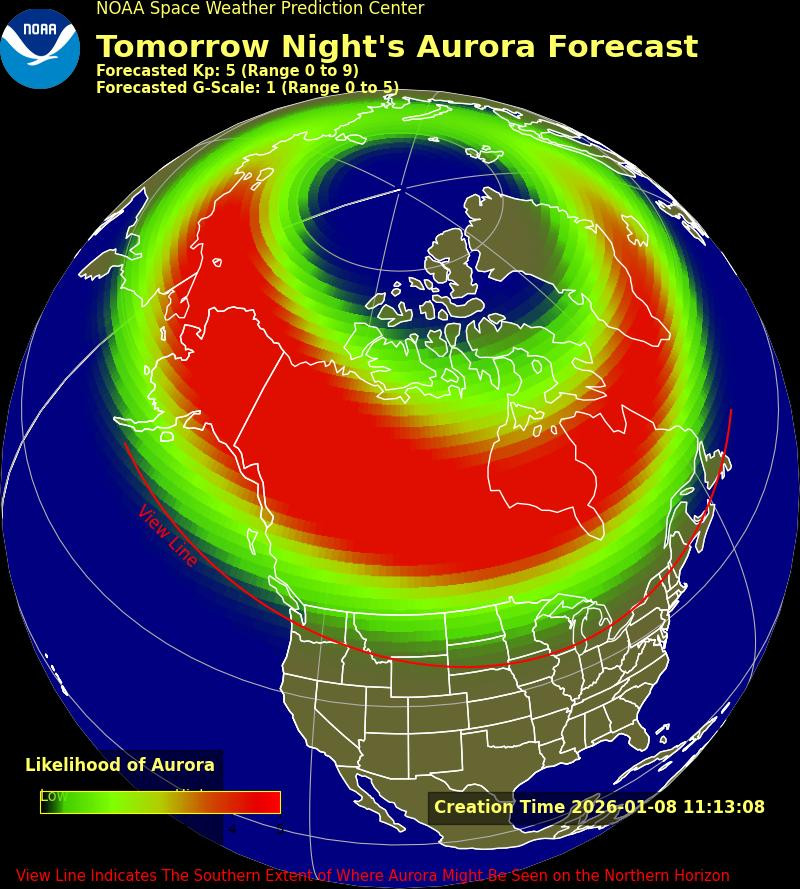
The best chances to observe this light display are in northern states including Alaska, Washington, Montana, North Dakota, and South Dakota. These areas typically offer prime viewing opportunities from Thursday, January 8, through Friday, January 9, 2026.

States located slightly south of these may also have a chance, depending on the storm’s strength. According to NOAA reports, places such as Minnesota, Michigan, and Maine could witness aurora activity, often appearing faintly near the horizon, which may make viewing more challenging.
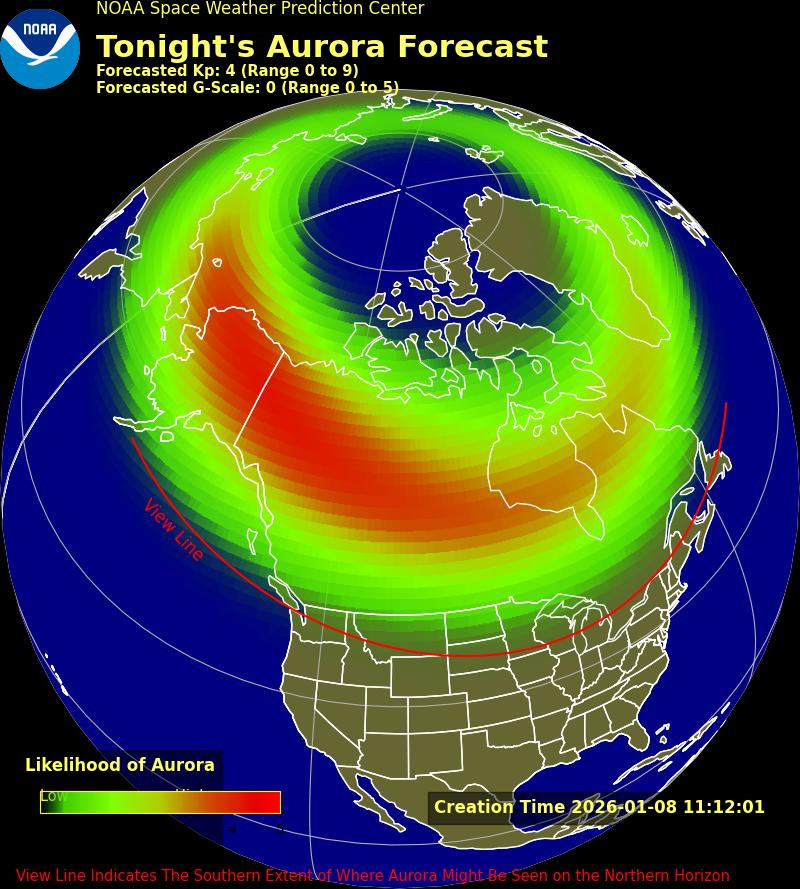
The aurora might appear dimmer in states further south like Wyoming, Vermont, New Hampshire, and New York, visible as subtle arcs close to the northern horizon. While in higher latitudes the Northern Lights tend to be vivid and easily seen, southern viewers will likely need ideal weather conditions and low light pollution for the best viewing experience.
Impact of Clouds and Urban Lighting on Aurora Observation
Even if located in a promising region during peak activity, poor weather remains a significant obstacle. Heavy cloud cover is the leading cause of missed aurora sightings despite intense geomagnetic conditions. Clear skies are essential for visibility, making weather forecasts just as crucial as space weather alerts for aurora enthusiasts.
For those fortunate to have clear skies, selecting locations far removed from city lights is critical. Light pollution can significantly diminish the brightness of these displays. Ideal viewing sites include remote rural zones or certified Dark Sky parks where artificial illumination is minimal. During medium-strength geomagnetic storms, auroras often appear faint and wispy to the naked eye, making longer-exposure photography or cameras on Night Mode invaluable for capturing vivid images.
- Categories:
- News


0 comments
Sign in to Comment