
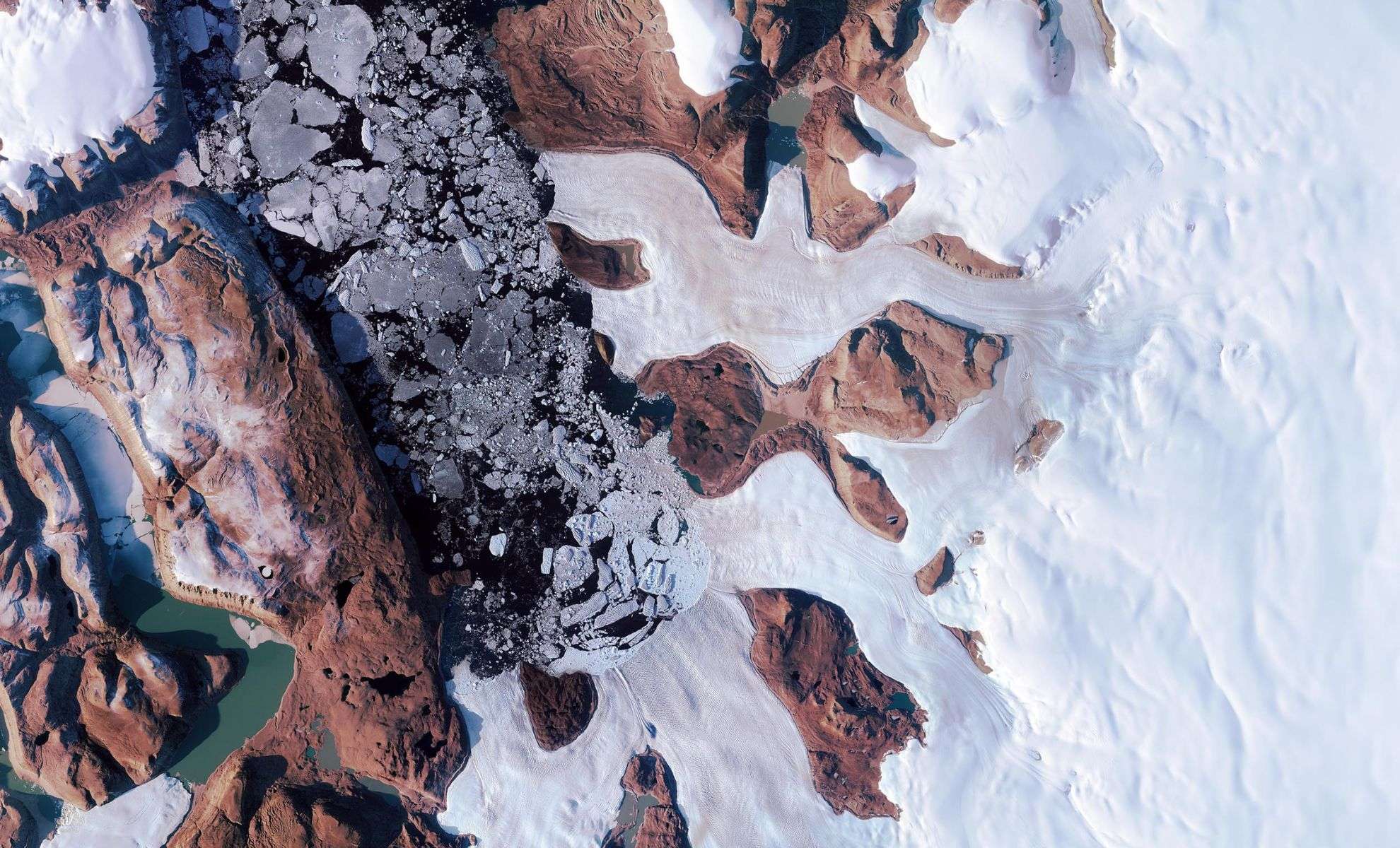
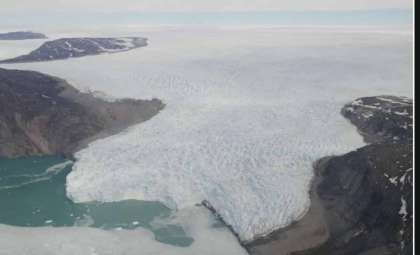
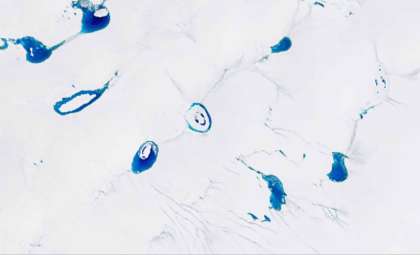
Deep beneath the Harder Glacier in Greenland, a concealed lake suddenly burst forth, releasing a tremendous volume of water that carved out an enormous crater in the overlying ice. This startling occurrence surprised scientists as water dynamically forced its way upward through the thick ice sheet, profoundly altering the glacier’s structure. Over a span of just ten days, the lake discharged an astounding 23.8 billion gallons (90 million cubic meters) of water, likened to nearly nine hours of Niagara Falls at peak flow.
Catastrophic Flood Forms Vast Ice Crater
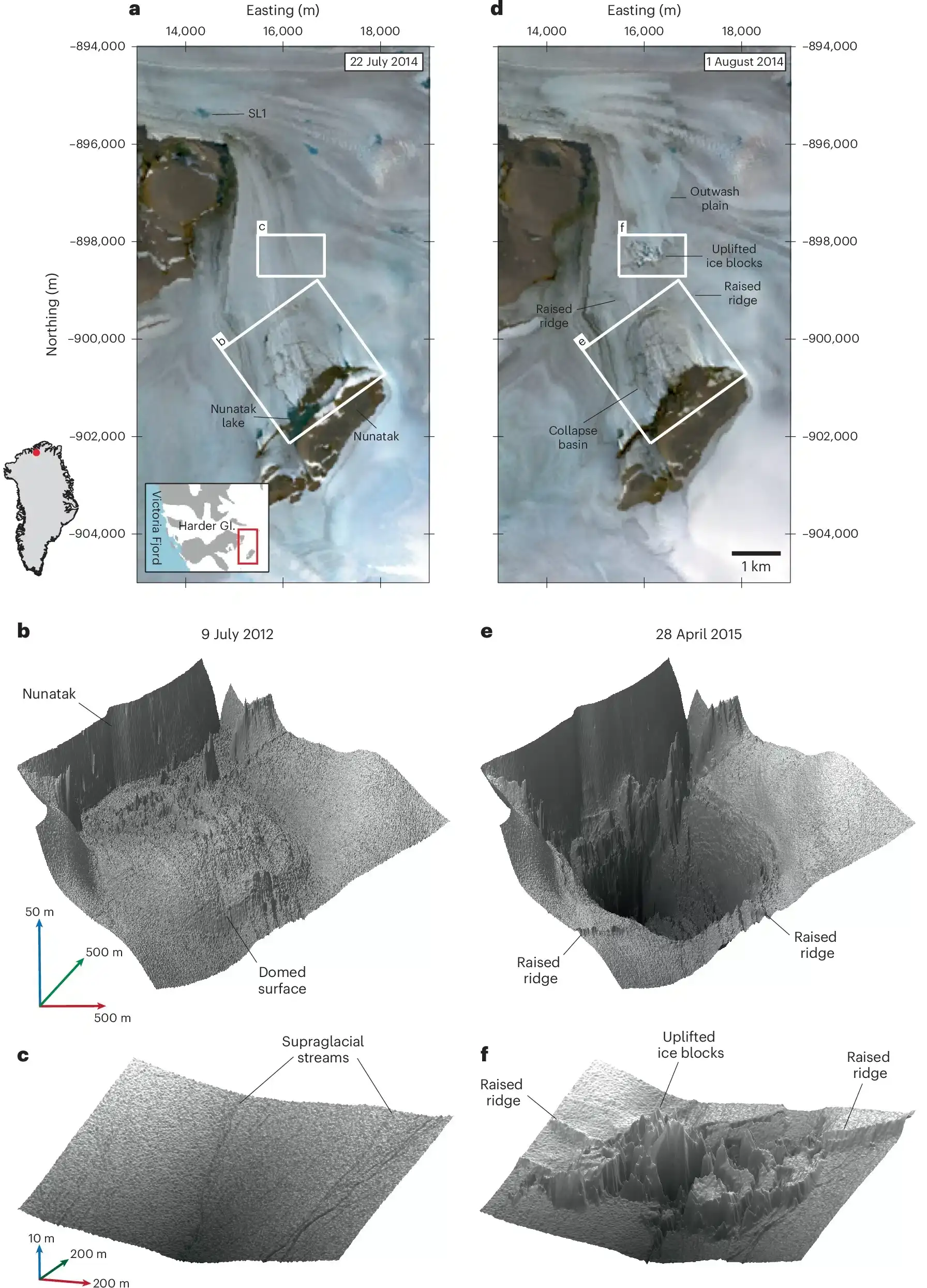
The eruption fractured the ice, producing a colossal crater approximately 270 feet (85 meters) deep and extending over close to two square kilometers. The event's impact extended beyond the crater itself, with the surrounding landscape marked by jagged fissures and massive ice blocks—some towering as high as five stories—dislodged from their original positions. This flood reshaped nearly 2.3 square miles of the ice sheet, an area twice the size of New York City's Central Park.
Dr. Jade Bowling of Lancaster University, who led the investigation, reflected on her initial reaction: “At first, the data seemed erroneous due to its unexpected nature. But as we delved into our analysis, it became evident that we were witnessing the consequences of a massive subglacial flood.” The findings, published in Nature Geoscience, provide new insights into the intricate dynamics beneath Greenland’s ice sheet.

Water Ascends Through Frozen Ice Layers
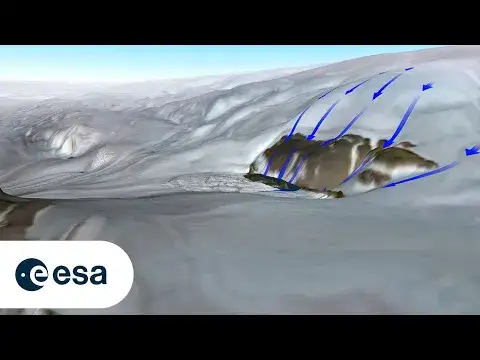
Until now, prevailing scientific ideas held that meltwater travels downward through glaciers to reach the base of the ice sheet. Contradicting this understanding, the flood pushed water upward, bursting through solid ice layers—an unexpected mechanism not accounted for in current climate models.
The site of the lake's drainage also perplexed researchers. Theoretical models indicated that the ice at that depth should be completely frozen, yet drainage occurred. Scientists speculate that the immense water pressure may have fractured the frozen ice bed, enabling the water to escape to the surface.
Dr. Bowling underscored the importance of the finding: “Subglacial lakes beneath the Greenland Ice Sheet are a relatively recent discovery, and this study highlights how much remains unknown about their evolution and their influence on the ice sheet’s behavior.”
Satellites Reveal Greenland’s Ice Sheet Dynamics
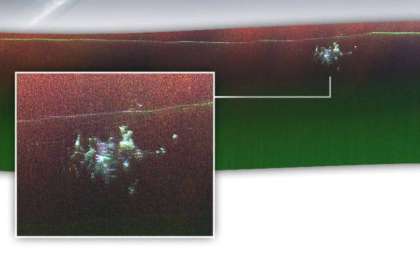
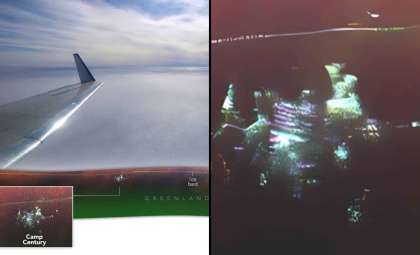
The research team utilized advanced satellite imagery to document the event—a crucial approach for studying remote and expansive environments. By combining high-precision 3D terrain data from the ArcticDEM initiative with information from ESA’s CryoSat, Sentinel satellites, and NASA’s ICESat-2, they successfully tracked the dramatic transformations in the glacier. These remote sensing technologies were indispensable for detecting changes in such an inaccessible location.
Polar ice specialist Professor Mal McMillan stressed satellite monitoring’s role, stating, “Satellites are fundamental for observing climate change impacts and supplying vital data to enhance predictive models of Earth’s future.”
Rethinking Climate Models After Lake’s Eruption
The sudden release of this concealed subglacial lake challenges conventional climate models forecasting ice sheet responses. Scientists had not anticipated such rapid upward water movement, unexpected ice fracturing, or the scale of meltwater discharge. Dr. Amber Leeson, a co-researcher, cautioned that as global temperatures rise and surface melting intensifies, the formation of more subglacial lakes may increase, potentially triggering similar explosive episodes.
“Improving our comprehension of subglacial water flow is crucial since it significantly controls ice sheet dynamics,” Dr. Leeson explained. “These hidden hydrological systems remain poorly understood but are key to predicting future ice behavior.”
This research represents a collaboration among experts from the U.K., Europe, and the U.S., supported by the U.K. Natural Environment Research Council, ESA, and UKRI. Diego Fernandez from the European Space Agency (ESA) noted, “Our findings contribute to the ESA Polar Science Cluster’s efforts to understand Arctic changes driven by warming.”
Understanding the Arctic’s evolving water systems is essential to forecasting how the Greenland Ice Sheet may influence sea-level rise globally in the coming decades.
- Categories:
- News


0 comments
Sign in to Comment