
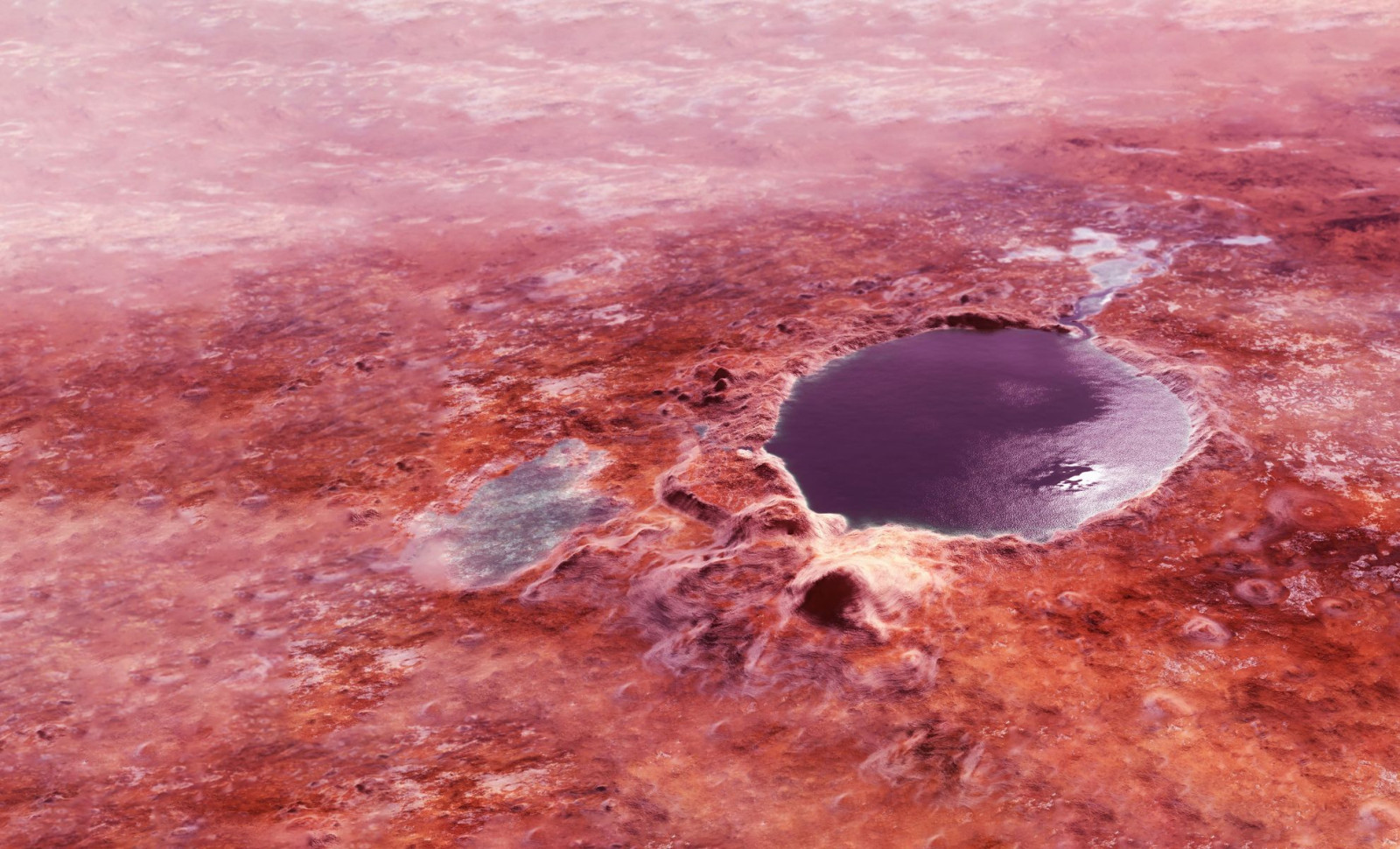
Innovative climate modeling reveals that ancient Martian lakes might have existed for decades beneath slender layers of ice that developed and thawed with changing seasons. This insight reconciles the apparent contradiction between Mars’ geological water markers and previous climate models that depicted it as a permanently frozen world.
The research, led by Eleanor Moreland from Rice University, introduces an explanation not based on high temperatures but on natural insulation. Instead of requiring Earth-like warmth, the study suggests that seasonal ice blankets could have shielded lakes through colder periods, enabling liquid water to persist for extended durations.
Lakes Enduring Despite Mars’ Frigid Conditions
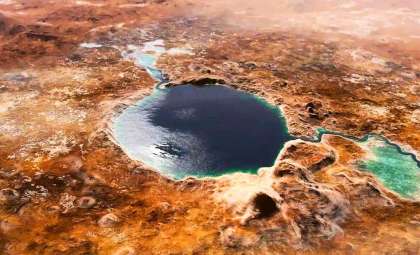
As reported by Earth.com, early Mars endured a faint sun and a thin CO2-dominated atmosphere, factors expected to freeze the planet solid. However, explorations by NASA’s Curiosity rover and others uncovered geological evidence—such as minerals and well-preserved sediments—indicative of stable, long-lasting bodies of water.

Eleanor Moreland, the paper’s principal investigator, sought to understand the longevity of these lakes.
“When our new model began showing lakes that could last for decades with only a thin, seasonally disappearing ice layer, it was exciting that we might finally have a physical mechanism that fits what we see on Mars today,” she stated in the report.
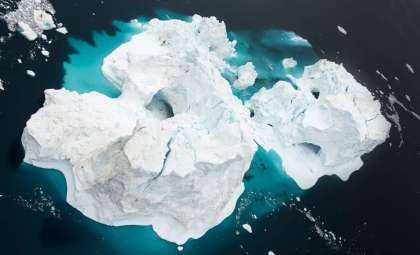
Rather than forming thick glaciers like those on Earth’s poles, this ice would have cyclically formed and melted with the seasons, curbing evaporation and heat loss sufficiently to maintain liquid water beneath. This model also accounts for the minimal glacial erosion observed in Martian lake regions while retaining their pristine geological features.
Adapting Terrestrial Models to Martian Conditions
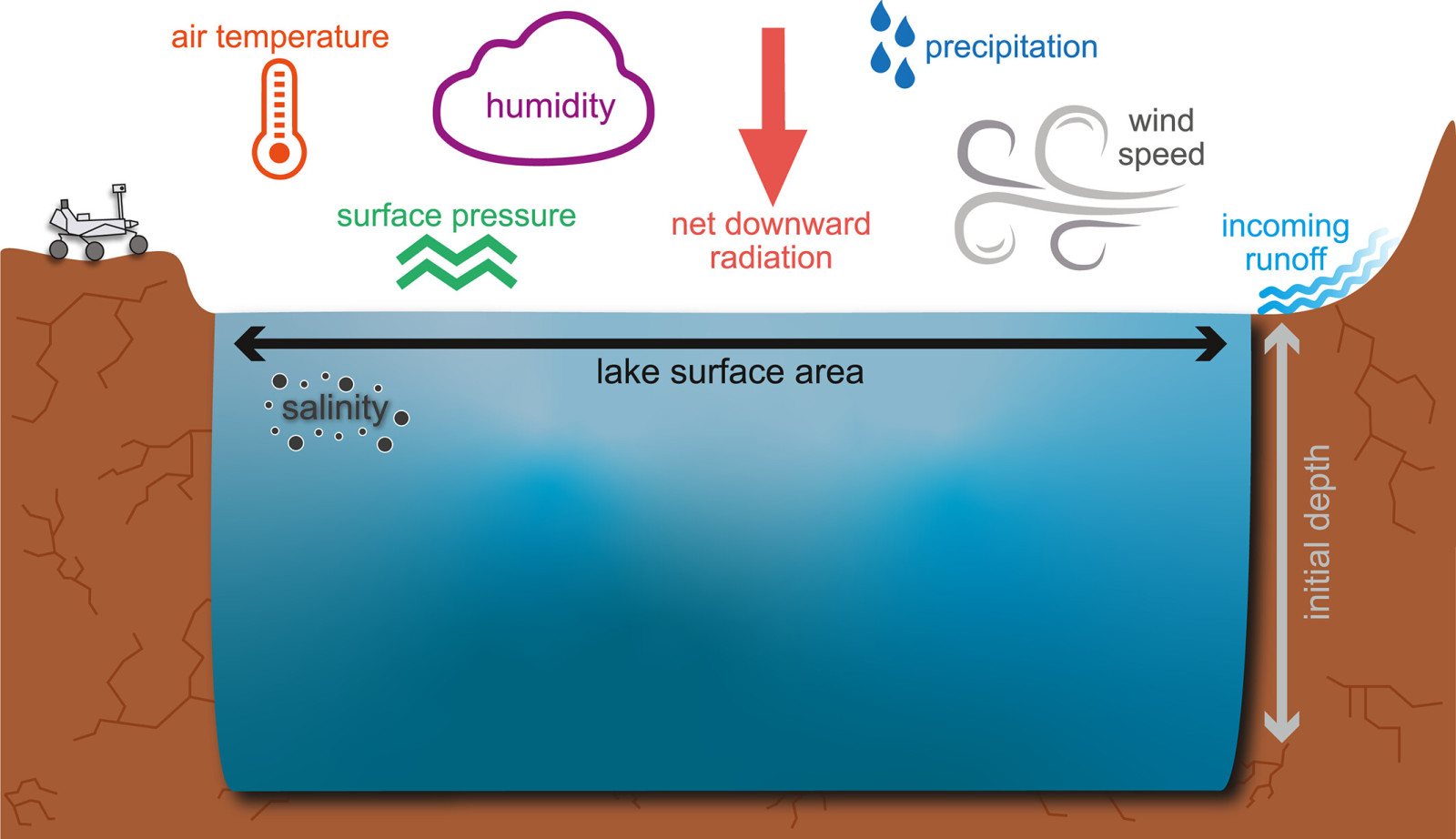
The team published their work in Advancing Earth and Space Sciences, utilizing Proxy System Modeling, a method originally crafted to analyze Earth’s prehistoric climate. Given Mars’ lack of ecosystems like trees or ice cores for reconstructing its history, the scientists used data from Martian minerals, rock formations, and rover findings to recalibrate the model to Martian physics of around 3.6 billion years ago.
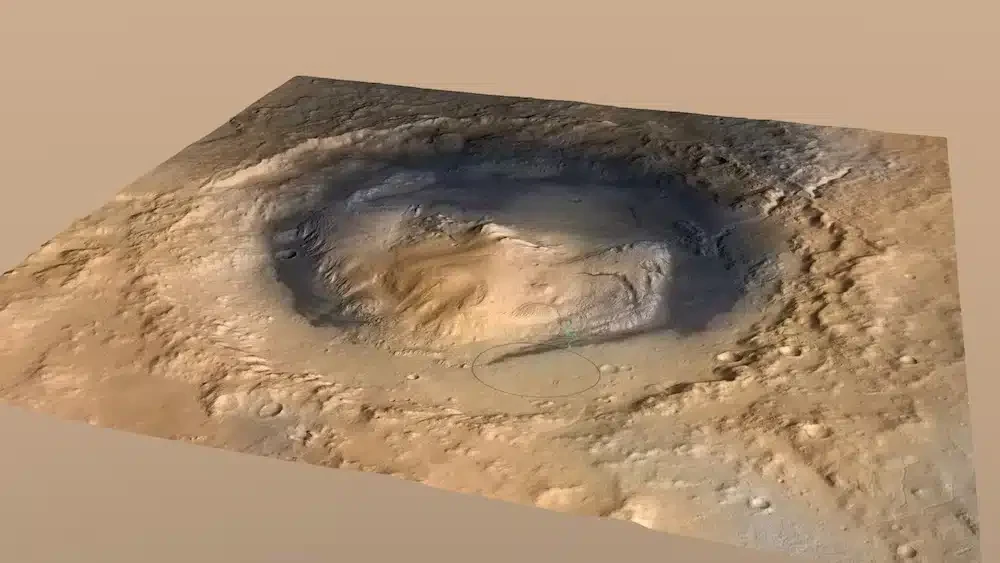
This effort yielded LakeM2ARS (Lake Modeling on Mars with Atmospheric Reconstructions and Simulations), which ran 64 simulations spanning 30 Martian years each (~56 Earth years). Some scenarios resulted in lakes that froze and vanished, while others produced lakes with recurring, melting seasonal ice that sustained liquid phases.
Co-author Professor Sylvia Dee highlighted the model’s sensitivity to variables like atmospheric pressure and temperature swings.
“It shows that with some creativity and experimentation, Earth-origin models can yield realistic climate scenarios for Mars,” she said.
Understanding Mars’ Ancient Lakes
The protective role of the delicate ice layers was fundamental to the model’s success. Instead of obliterating water signatures, these ice covers could preserve them with minimal geological disturbance. Professor Kirsten Siebach, another contributor, noted:
“Because the ice is thin and temporary, it would leave little evidence behind, which could explain why rovers have not found clear signs of perennial ice or glaciers on Mars.”
The intact shorelines, sediment deposits, and lake basin contours fit well with water bodies shielded by seasonal ice. This mechanism doesn’t demand Mars to have had warm, stable climates like Earth, only sporadic conditions allowing surface water to persist longer than previously assumed.
Looking ahead, the researchers aim to expand LakeM2ARS to other Martian environments. Confirming similar outcomes could significantly impact how scientists interpret Mars’ watery history and identify promising sites for probing ancient habitability.
- Categories:
- Science





0 comments
Sign in to Comment