
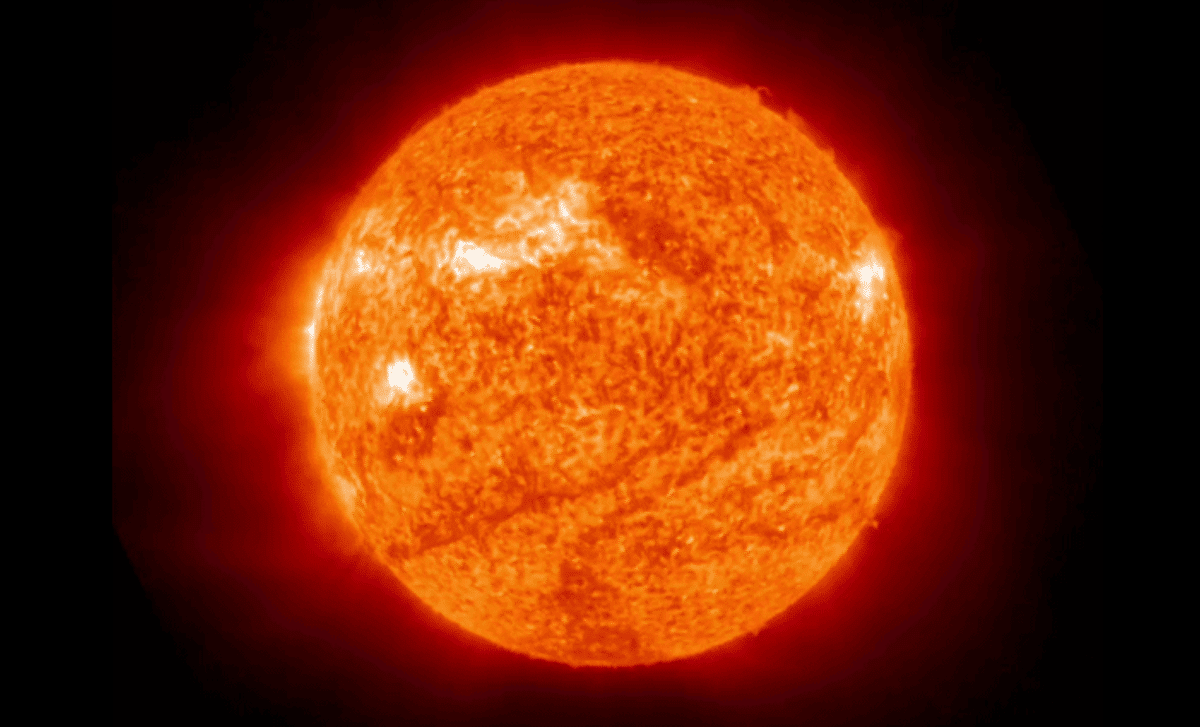
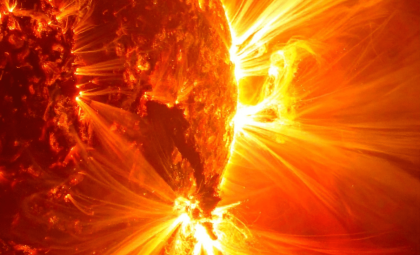
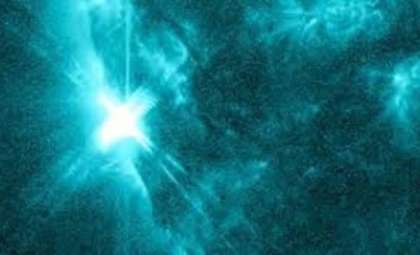
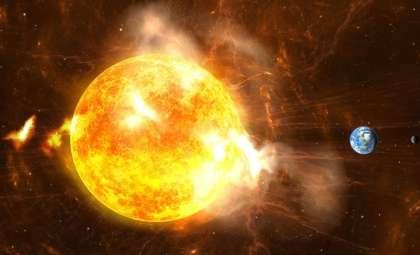
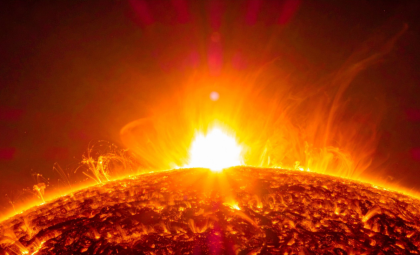
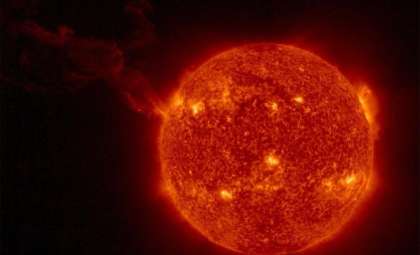
Space weather experts were recently alerted as NOAA reported the Sun released two intense X-class solar flares within a seven-hour window, causing brief interruptions to radio communications on Earth and sparking concerns about potential further activity.
Unprecedented Dual Solar Flare Event
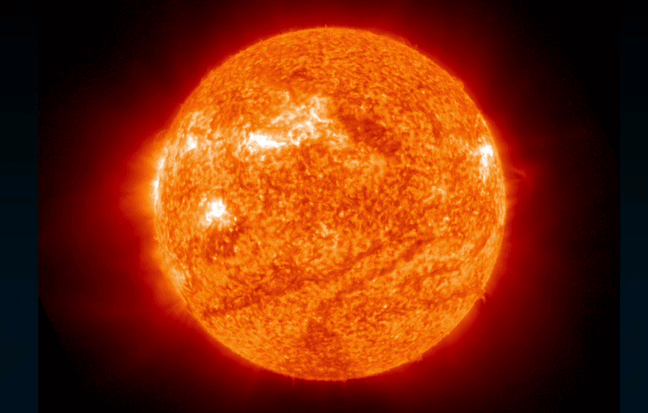
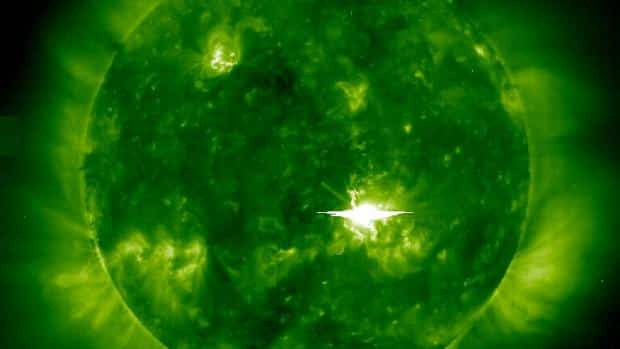
Solar flares rank among the most powerful phenomena in our solar system, with X-class flares representing the highest intensity. These eruptions expel vast amounts of radiation that travel at light speed, reaching our planet within minutes. According to NOAA’s Space Weather Prediction Center, the two flares originated from the same active solar region in rapid succession, indicating significant magnetic instability in that area.
What sets this event apart is not only the powerful magnitude of each flare but also their close timing. The mere seven-hour interval between two substantial X-class flares is rare, reflecting a highly unstable region of the Sun with intricate magnetic fields. These complex areas accumulate enormous energy, which, upon release, generates flares that affect the entire electromagnetic spectrum.

Researchers closely track these occurrences because they shed light on the Sun’s magnetic behavior. The clustering of such strong flares suggests the star may be entering a more energetic phase of its solar cycle, expected to peak over the next few years.
Disruptions to Radio Signals Across Earth
The immediate consequence of these solar flares was noticeable through high-frequency radio blackouts. X-class flares emit powerful X-rays and ultraviolet light that ionize Earth’s upper atmosphere, particularly the ionosphere. This sudden increase in ionization disturbs radio transmissions essential for aviation, maritime communication, and emergency services.
During peak flare times, sections of the sunlit hemisphere experienced signal weakening or complete outages. These disturbances are measured on an established scale, and initial observations indicate the flares caused substantial disruptions impacting vital communication networks.
Although these blackouts are generally short-lived, spanning from minutes to hours, they underscore our reliance on consistent space weather conditions. For example, airlines operating over polar regions often modify communication protocols when such solar events occur.
Heightened Vigilance Among Scientists
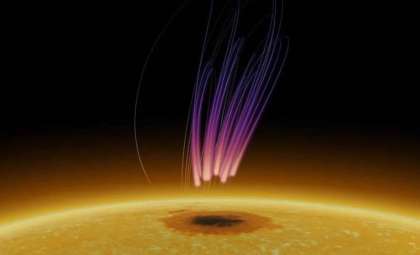
This dual flare phenomenon is a significant indicator beyond a momentary disturbance. The Sun operates on roughly an 11-year cycle, currently approaching its maximum activity phase marked by increased sunspots, flares, and coronal mass ejections.
Scientists are focused on whether these flares coincide with coronal mass ejections (CMEs) — colossal clouds of charged particles that can take days to arrive on Earth. Unlike radiation from flares, CMEs can instigate geomagnetic storms capable of damaging satellites, GPS navigation, and electrical infrastructure.
The solar region responsible for these flares remains under intensive observation. Should it maintain its instability and face Earth, more eruptions are likely, raising concerns for scientists and industries reliant on precision space weather monitoring.
Forecast for Earth in the Near Future
While immediate effects have diminished, the solar environment remains active and unpredictable. Energy releases from the Sun often occur in clusters, which may precede larger solar events. Any additional Earth-directed eruptions could intensify geomagnetic disturbances.
Operators controlling satellites, power grids, and aviation communications continue to monitor updates from NOAA and other space weather centers. These organizations issue timely alerts to mitigate the risks posed by solar activity.
This recent display of solar power is a reminder of Earth's vulnerability within the sphere of a dynamic and often volatile star. Though many solar flares have minimal impact, powerful eruptions hold the potential to disrupt global technology systems.
- Categories:
- Space


0 comments
Sign in to Comment