
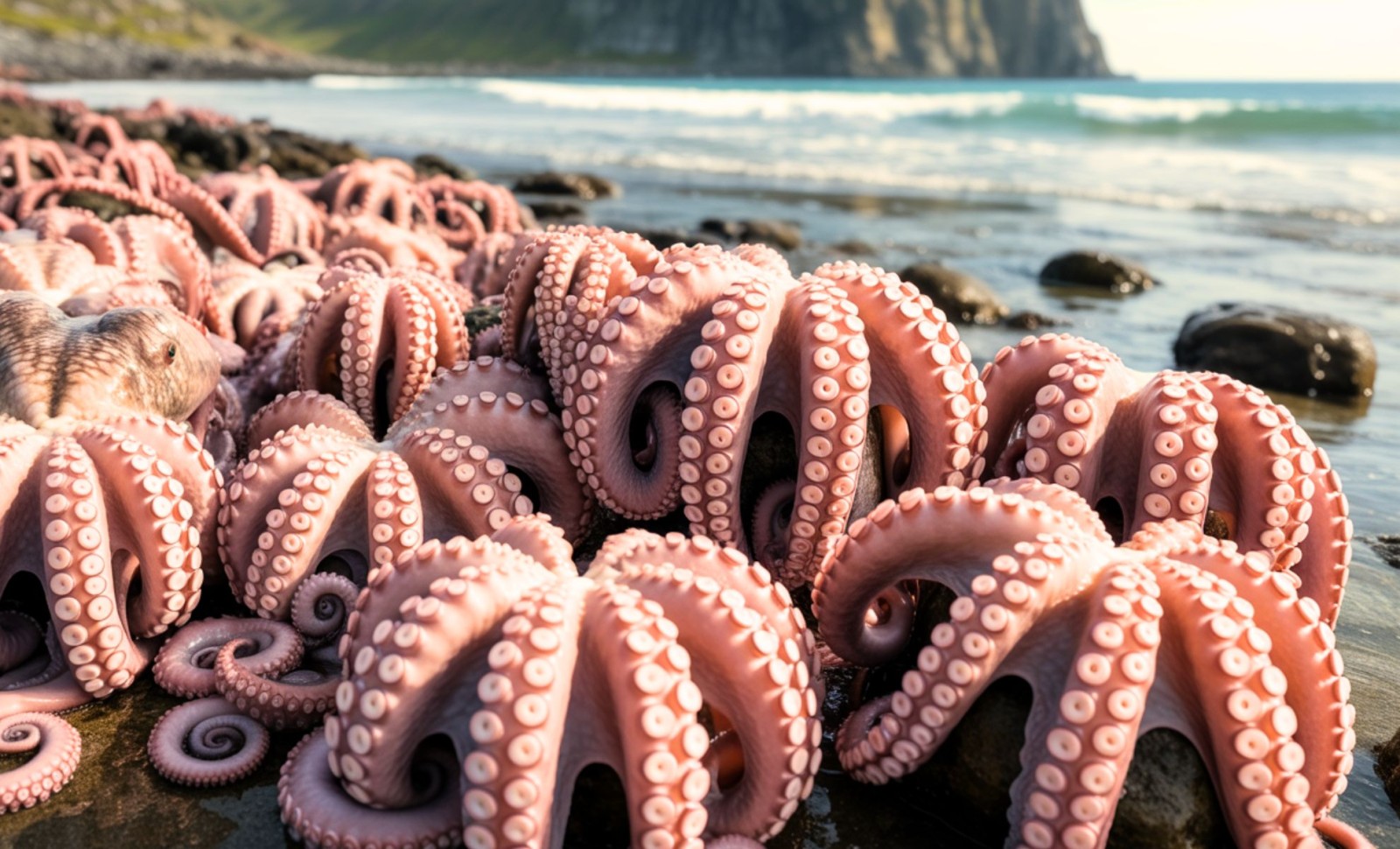
The southern coastline of England has recently experienced an unexpected explosion in octopus numbers, altering local fisheries and prompting concern among environmental scientists closely tracking the region’s marine ecosystems.
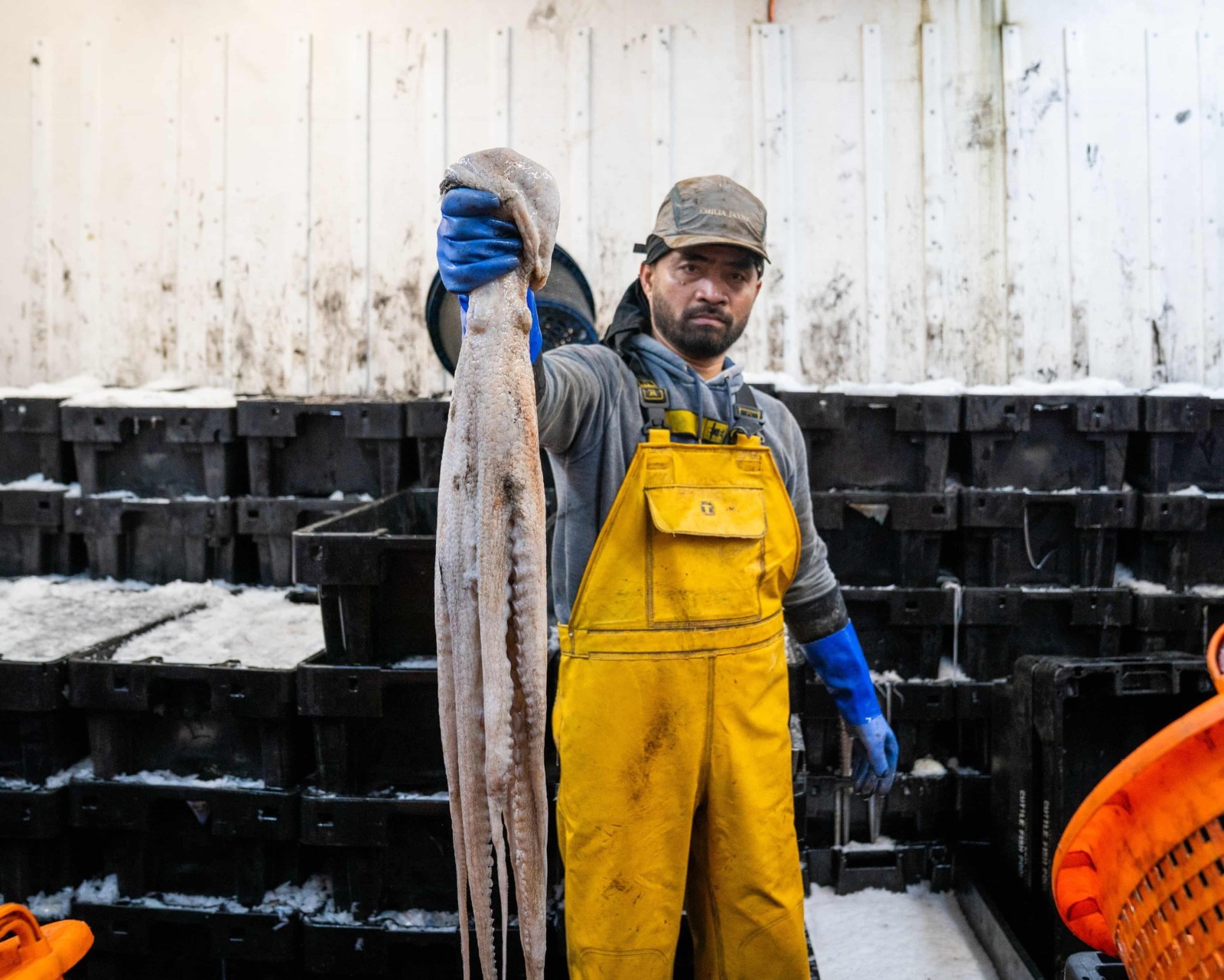
Fishing communities from Sussex through to Devon have reported unprecedented catches of octopus. At Brixham Fish Market, one of the nation’s busiest, daily octopus sales soared to 36 tonnes from a mere 200 kilograms at the same point last year. This surge correlates with a significant marine heatwave raising water temperatures by 2°C to 4°C, enabling species traditionally confined to warmer waters to drift northward.
While the phenomenon offers financial gains, it also creates ecological challenges. Fishers benefit temporarily from a species exempt from catch limits, but experts caution that unchecked harvesting could destabilize the region’s marine food chains.

Heatwave Spurs Octopus Growth in the English Channel
The first signs of the octopus boom appeared in early spring, particularly along east Cornwall and Devon’s coast, where sea temperatures climbed above seasonal averages. Marine researchers link these patterns to ongoing climate-driven ocean warming.
“We’ve not seen them before,” said Ian Perkes, a fish merchant in Brixham Harbour for 49 years. “This time last year, they were on the French side of the water and the French were filling up with them.”
Ordinarily prevalent near Morocco and Mauritania, where octopus fisheries are well-established, the species appears to be migrating northward, likely drawn by the warming waters, Perkes explains.

This influx has generated a temporary financial boost for British fisheries, with octopus fetching prices of £8 per kilogram, mainly destined for export to Spain, where demand is strong.
“It’s a financial bonus for the fishermen,” said Barry Young, managing director of Brixham Trawler Agents. “They’re grabbing it with two hands while they can.”
Young noted that octopuses are well-suited to bottom trawling techniques traditionally used for catching fish like plaice and Dover sole. “They occupy similar seabed habitats as these species,” he explained.
NOAA data supports a rising trend in marine heatwave occurrences globally since the 1980s, reshaping marine ecosystems and driving shifts in species distribution.
Hidden Risks Beneath the Waves
The booming octopus population is causing complications beneath the surface. As adaptable predators, octopuses consume a variety of creatures including crabs, lobsters, mollusks, and small fish, upsetting the local food chains and hindering crustacean fishing industries.
“Some of the boats have seen that, where the octopuses are prolific in certain areas, they have seen a dramatic drop off in crab and lobster,” Young told The Guardian. The animals are known to enter crab pots, break open shells using their beaks, and consume the contents, leaving the traps empty.
Fishermen suspect octopuses exploit legal escape gaps in traps designed to let undersized shellfish flee. Authorities such as the Devon and Severn Inshore Fisheries and Conservation Authority (D&S IFCA) have acknowledged these issues, suggesting that closing these gaps may be considered if octopus fishing becomes commercially prioritized.
Beyond warming seas, other ecological factors might be at play. Declining numbers of natural predators, shifts in predator populations, changes in pollution levels, and varying ocean currents may have combined to foster an environment favorable to octopus proliferation.
Historical Patterns and Future Uncertainties
This is not the first emergence of octopus booms in British waters. Marine nature recovery officer Carli Cocciardi of the Devon Wildlife Trust notes prior spikes recorded during the 1900s, the 1950s, and briefly in 2022.
“We’re unsure why this surge is happening,” Cocciardi told The Guardian. “But the main reason seems to be warmer waters, so climate change, a sea temperature rise. It could be also changes in prey availability or ocean currents.”
Current specimens tend to be medium to large-sized, growing up to 1.3 meters in length. Their renowned intelligence, along with unique physiological traits like three hearts and nine brains, makes them exceptionally adaptable competitors in marine habitats.
The absence of regulatory catch limits combined with scarce data on population trends poses a tricky dilemma for fisheries managers who must balance economic gains against long-term ecological sustainability.
The North Atlantic’s Rising Mediterranean Influence
The biological shift comes with broader geographic and political implications. As warmer waters push southern species northward—a trend described as the “Mediterraneization” of northern marine areas—species such as anchovy, red mullet, and cuttlefish are increasingly common in the English Channel, where they were once rare.
This realignment challenges European fishery policies, strained further since Brexit. With octopus populations moving away from traditional North African fishing grounds into UK waters, economic consequences ripple throughout Spain’s processing hubs in Galicia and Andalusia, which depend heavily on Moroccan catches.
Meanwhile, the UK currently lacks formal strategies to incorporate octopus fishing into its sustainable fisheries framework or to systematically monitor these new populations for conservation purposes.
- Categories:
- News











0 comments
Sign in to Comment