
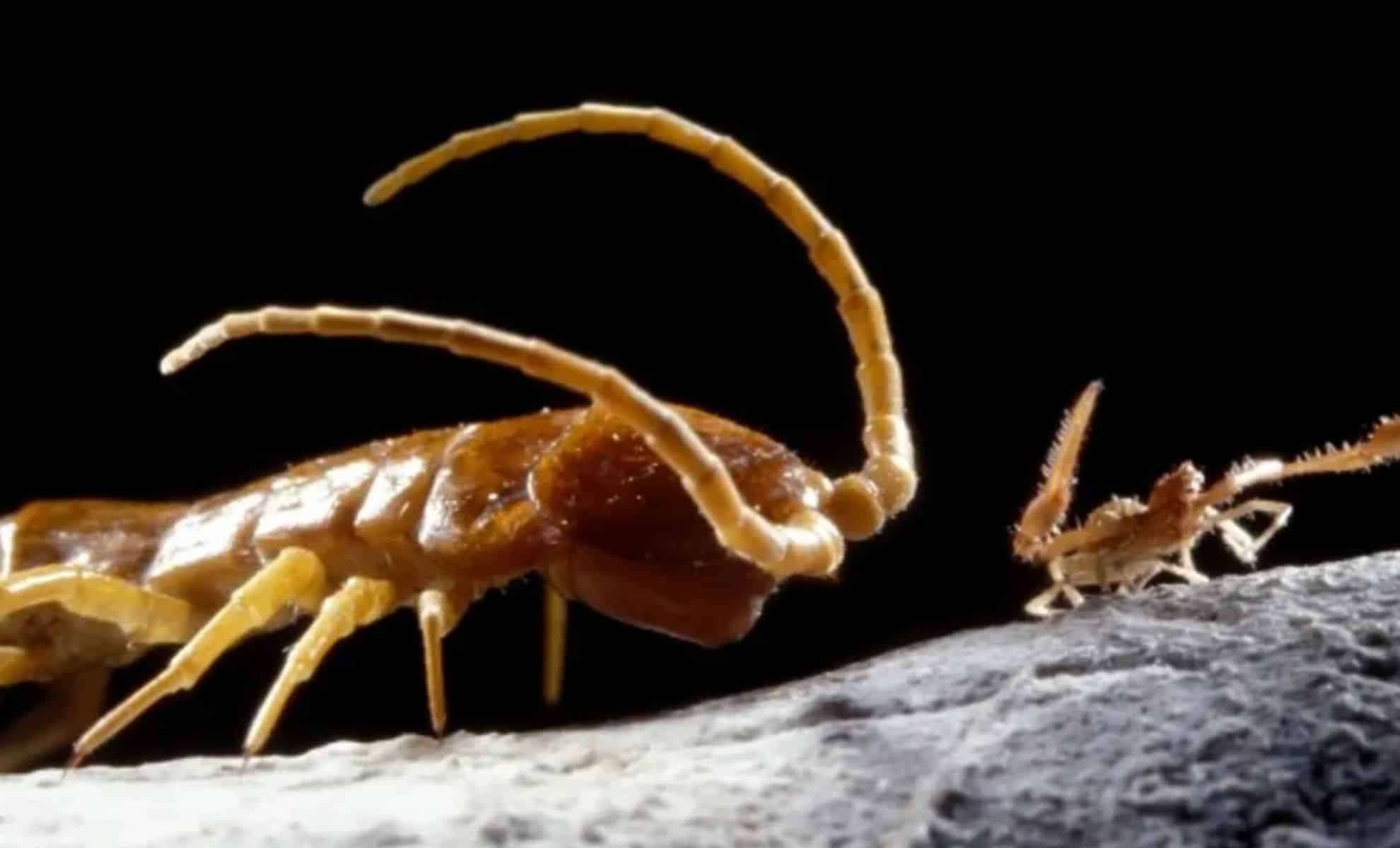
Situated a few miles west of the Black Sea in Romania, the Movile Cave stands as one of Earth’s most extraordinary and secluded biological communities. Closed off from external influences for approximately 5.5 million years, this subterranean environment has puzzled scientists since its discovery in 1986 by construction workers excavating for a nuclear power site. Since then, researchers have been captivated by the unique organisms that have adapted to survive under such extreme conditions.
An Underworld of Toxic Atmosphere
The Movile Cave presents an environment unlike any other, characterized by an air mixture containing only about half the normal oxygen level, enriched with carbon dioxide and hydrogen sulfide gases. The cave’s absolute darkness, maintained for millions of years, creates a setting where life confronts severe challenges. Nevertheless, a diverse array of species thrives here despite the harshness.
Scientists have identified 48 distinct species inhabiting the cave, with 33 of them found nowhere else on Earth. The cave's fauna includes various spiders, water scorpions, pseudoscorpions, centipedes, leeches, and isopods. Adapted to the pitch-black environment, many species have lost their eyesight and pigmentation, reflecting evolutionary changes suited to a world devoid of light and color.

Energy from Chemical Reactions
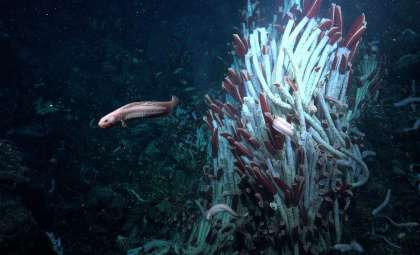
The Movile Cave's ecosystem is remarkable for its foundation on chemosynthesis rather than photosynthesis. Instead of relying on sunlight, microorganisms here utilize chemosynthetic bacteria that derive energy from chemical reactions involving sulfide and ammonium compounds. This process sustains the entire cave food chain.
Such reliance on chemosynthesis makes Movile Cave a rare and valuable example of life thriving independently of solar energy. It serves as a model for understanding how organisms might survive in extreme environments elsewhere in the cosmos, such as on other planets or moons where sunlight is absent.
The Mystery of Species Entrapment
The way the cave’s unique creatures originally came to inhabit this sealed environment remains uncertain. Though the bacteria have likely existed for millions of years, the entrapment of insects and other fauna probably coincided with the cave’s closure. J. Colin Murrell, a microbiologist from the University of East Anglia, explains, “The bacteria probably predate the five million years, but the insects were trapped around that time.”
One theory suggests that animals accidentally fell into the cave before its entrance was sealed by a limestone collapse, leading to the isolated evolution observed today.
Continuing Exploration and Insight
Nearly four decades after its discovery, the Movile Cave continues to reveal new biological wonders. Scientists are just beginning to understand the complexities of this isolated ecosystem, and it is likely more undiscovered species still reside within its depths. Each finding offers important clues about how life adapts to extreme habitats.
The cave’s extraordinary organisms may ultimately broaden our knowledge of evolutionary mechanisms and the fundamentals of life itself. These resilient subterranean species affirm that life can endure in the most unexpected niches, opening doors to future discoveries beneath Earth’s surface and beyond.
- Categories:
- News




0 comments
Sign in to Comment