
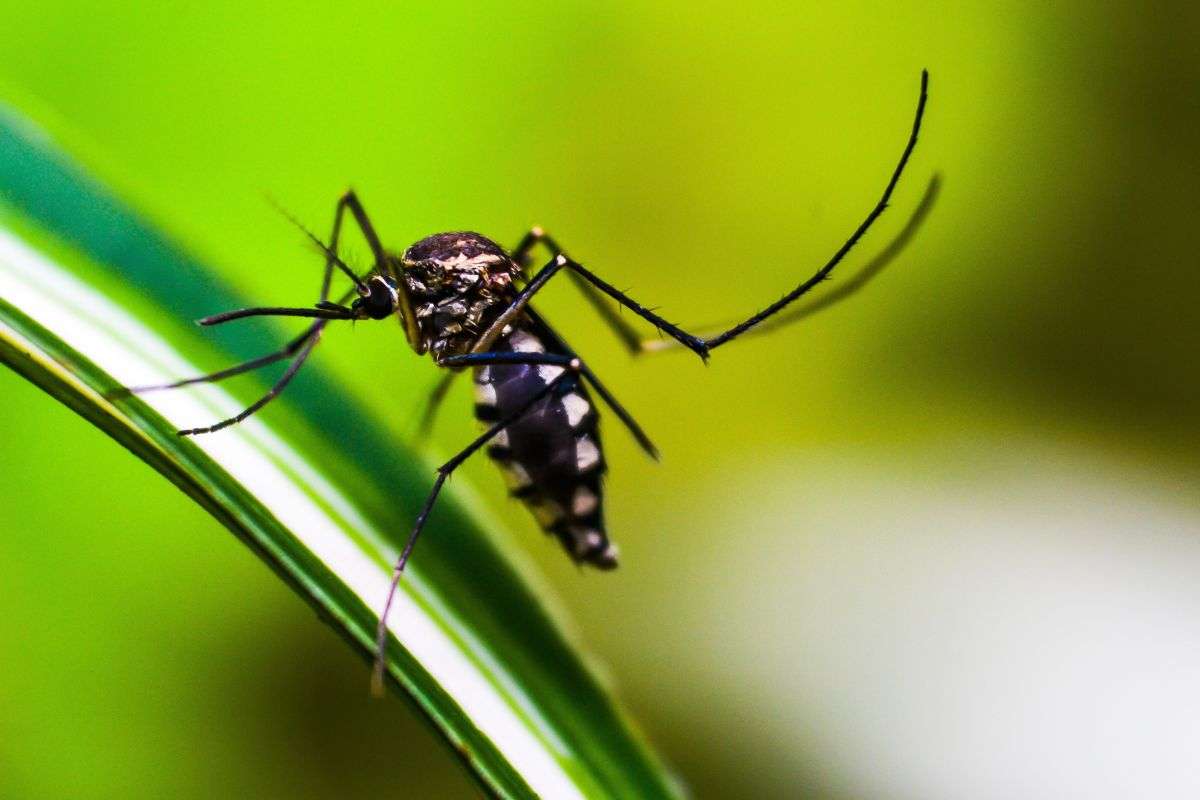
Mosquitoes are notorious for their role in spreading illnesses and irritating humans worldwide. Yet, recent scientific discoveries reveal a remarkable feature in their sensory system that could revolutionize audio technology.
Their extremely sensitive antennae can pick up precise auditory signals even in noisy surroundings, opening avenues for innovations in soundproofing, noise cancellation, and emergency detection devices.
Understanding Mosquito Hearing Mechanisms
Unlike many animals, mosquitoes detect sounds not through ears but through their unique antennae covered in tiny hairs. These structures function as specialized sensors tuned to specific frequencies vital for their survival.
A recent research led by Pablo Zavattieri and Ximena Bernal from Purdue University focused on two mosquito species. In Aedes aegypti, males identify females by the unique flutter of their wingbeats, while Uranotaenia lowii females rely on detecting frog calls to find food.
Using CT imaging and microscopy, the study revealed that mosquito antennae work in a two-step process. First, fine sensory hairs called fibrillae capture vibrations from sounds, causing the antennae to resonate at target frequencies.
These vibrations are conveyed to the Johnston’s organ, translating them into electrical nerve signals that the brain can interpret. This advanced mechanism enables mosquitoes to isolate important sounds from surrounding noise.

Advancing Noise-Cancellation Innovations
The extraordinary auditory precision of mosquito antennae has caught the attention of researchers outside entomology. By examining their hearing capabilities, scientists aim to create cutting-edge noise cancellation tools and ultra-sensitive acoustic sensors.
There is great promise for applications in disaster scenarios. Zavattieri suggests that sensors modeled after mosquito antennae could detect faint pleas for help from victims trapped in rubble after earthquakes or storms.
By replicating how mosquitoes focus on vital sounds within noisy environments, research teams hope to design microphones that efficiently filter ambient noise to pinpoint human distress signals.
Exploring Mosquito-Inspired Technologies
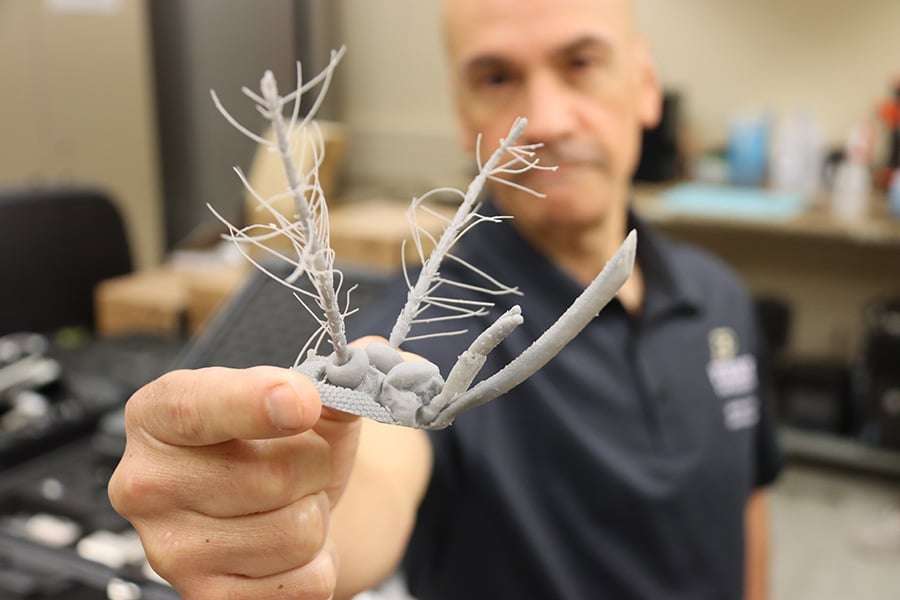
Currently, the Purdue group is experimenting with 3D-printed replicas of mosquito antennae, testing various materials and configurations to enhance their performance. Such bio-inspired designs could usher in innovative acoustic technologies with broad uses:
- Healthcare diagnostics – Devices that detect subtle shifts in sound patterns, aiding in the diagnosis of respiratory or other medical conditions.
- Urban sound management – Soundproofing solutions that block unwanted noise while letting critical sounds pass through.
- Defense and surveillance – Precise listening equipment capable of singling out specific tones in complex environments, enhancing security and rescue operations.
Nature’s Design Paves the Way for Sound Technology
This breakthrough exemplifies how biological systems inspire technological progress. Just as adhesives inspired by gecko feet and drag-reducing sharkskin surfaces have transformed industry, mosquito hearing mechanisms could lead to major advances in acoustics and emergency response.
“In critical situations like natural disasters, these sensors can rapidly detect faint distress signals, helping direct lifesaving rescue efforts,” Zavattieri stated in a recent press release.
- Categories:
- News













0 comments
Sign in to Comment