
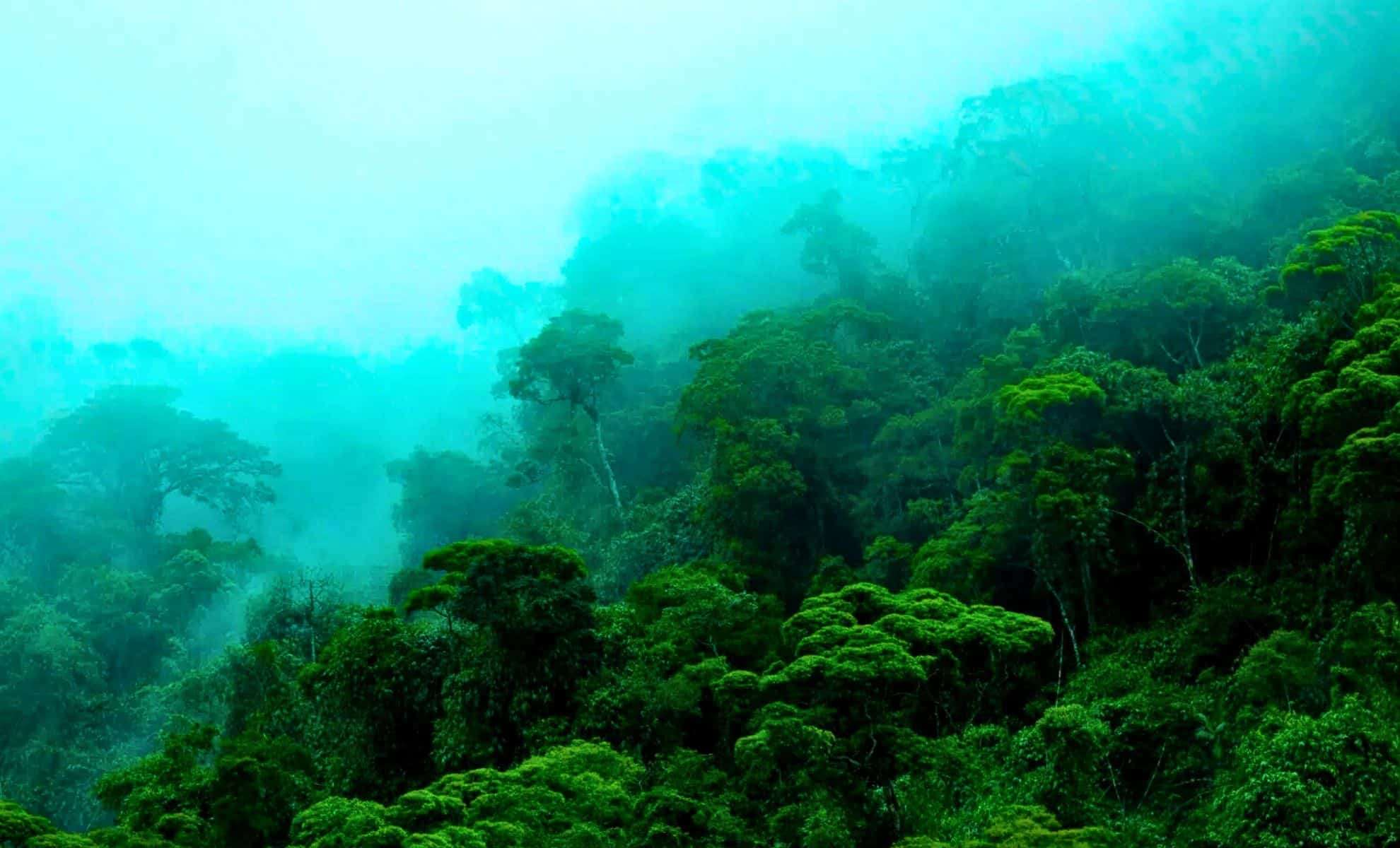
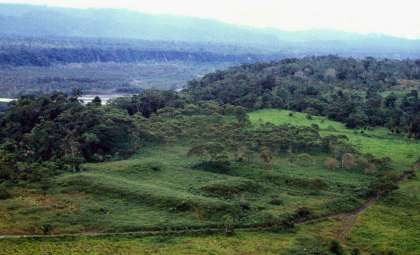
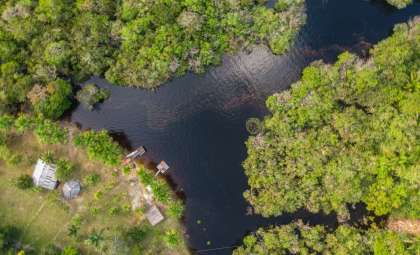
Scientists have long warned that the Amazon rainforest was in danger, vulnerable to rising temperatures, extended droughts, and deforestation pressure. However, a groundbreaking new study published in Nature Plants reveals an unexpected trend: Amazon trees have been steadily increasing in size, contradicting decades of pessimistic forecasts.
More than 60 academic institutions, including the University of Cambridge, Universidade do Mato Grosso, and University of Leeds, collaborated to monitor almost 200 forest plots over 40 years starting from 1971. Their data indicates that the average tree diameter in the Amazon has risen by about 3.2% every ten years, encompassing all growth stages from young saplings to ancient canopy giants. This points to an encouraging pattern of growth despite environmental pressures.
“We anticipated signs of stress or halted growth,” explained Professor Tim Baker from the University of Leeds, a lead researcher in the project. “Instead, even the largest trees showed continuous development. The results were surprising.”

How Increased CO₂ Levels Are Boosting Forest Growth
The researchers attribute this unexpected growth to rising atmospheric levels of carbon dioxide (CO₂)—a major greenhouse gas linked to climate change. Trees utilize CO₂ in photosynthesis to build their biomass. Elevated CO₂ concentrations appear to be triggering a natural fertilization effect, accelerating forest expansion.
While the concept of a CO₂ fertilization effect is well known among botanists, the study’s novelty lies in the consistent growth observed across trees of all sizes. Earlier models predicted that only the tallest, canopy trees would benefit, overshadowing smaller plants. However, this was not the case.
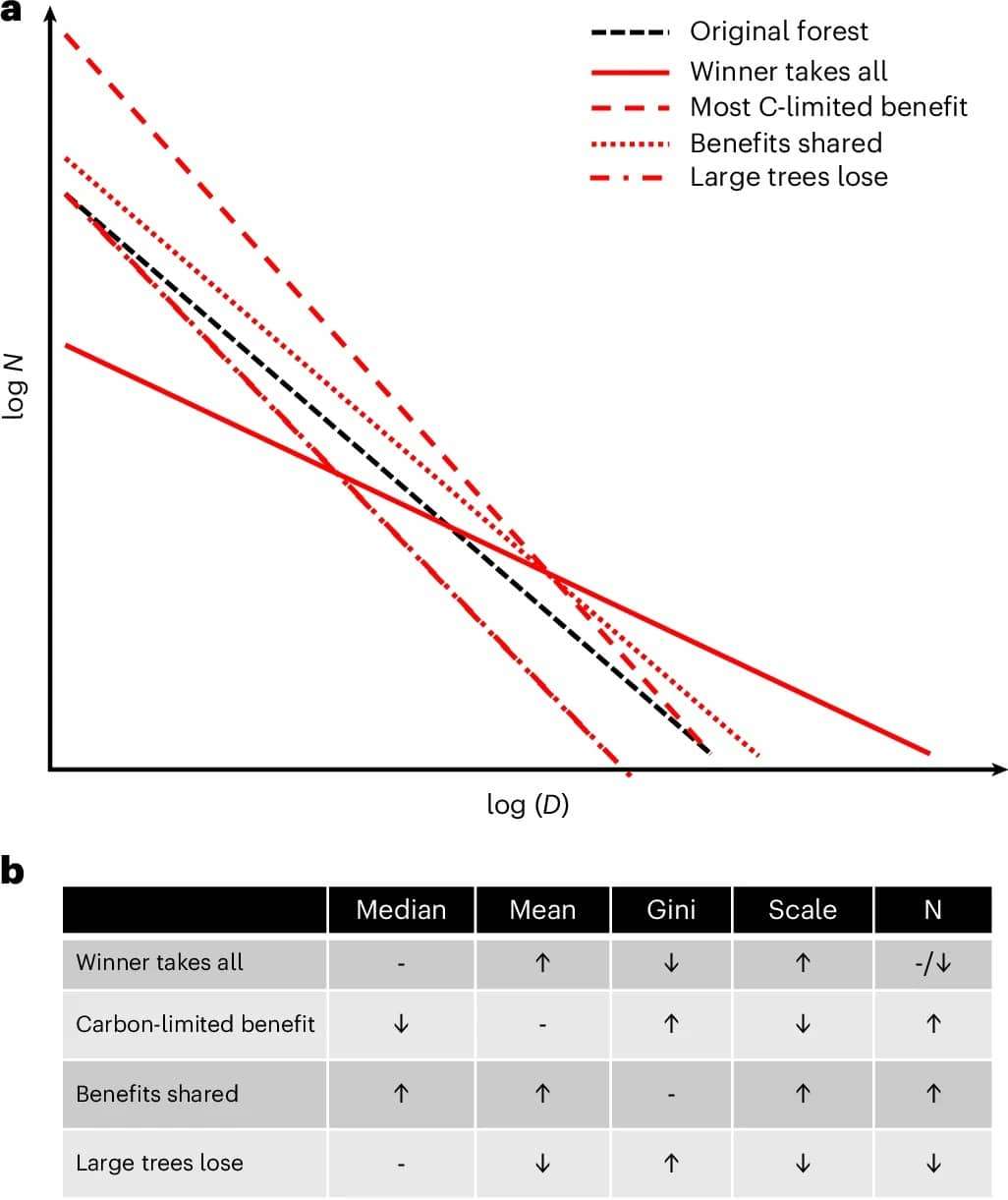
“Contrary to expectations,” remarked Dr Adriane Esquivel-Muelbert of the University of Birmingham, co-leader of the study, “growth rates have increased uniformly across all size classes within the forest, indicating broad benefits from higher CO₂ levels.”
This widespread growth challenges existing ideas about competitive exclusion and resource allocation in forests. It also strengthens the Amazon’s vital function as a carbon sink in the Earth’s climate regulation. Previous efforts by the RAINFOR network estimated that intact Amazon forests sequester up to 2.2 billion tons of CO₂ annually. Should trees continue expanding, these numbers could further increase.
A Forest Facing Multiple Threats
Nonetheless, researchers caution that this positive trend might be temporary. “We may be witnessing a short-lived phase,” warned Professor Oliver Phillips, also from the University of Leeds. “While the CO₂ fertilization is evident, its capacity to offset escalating environmental stress is uncertain.”
The Amazon remains exposed to rising pressures such as illegal logging, habitat fragmentation, more severe droughts, and wildfires, especially in southern and eastern parts. These factors could counteract the benefits of increased CO₂, particularly as forest patchiness disrupts the connectivity necessary for the growth and maturation of large trees.
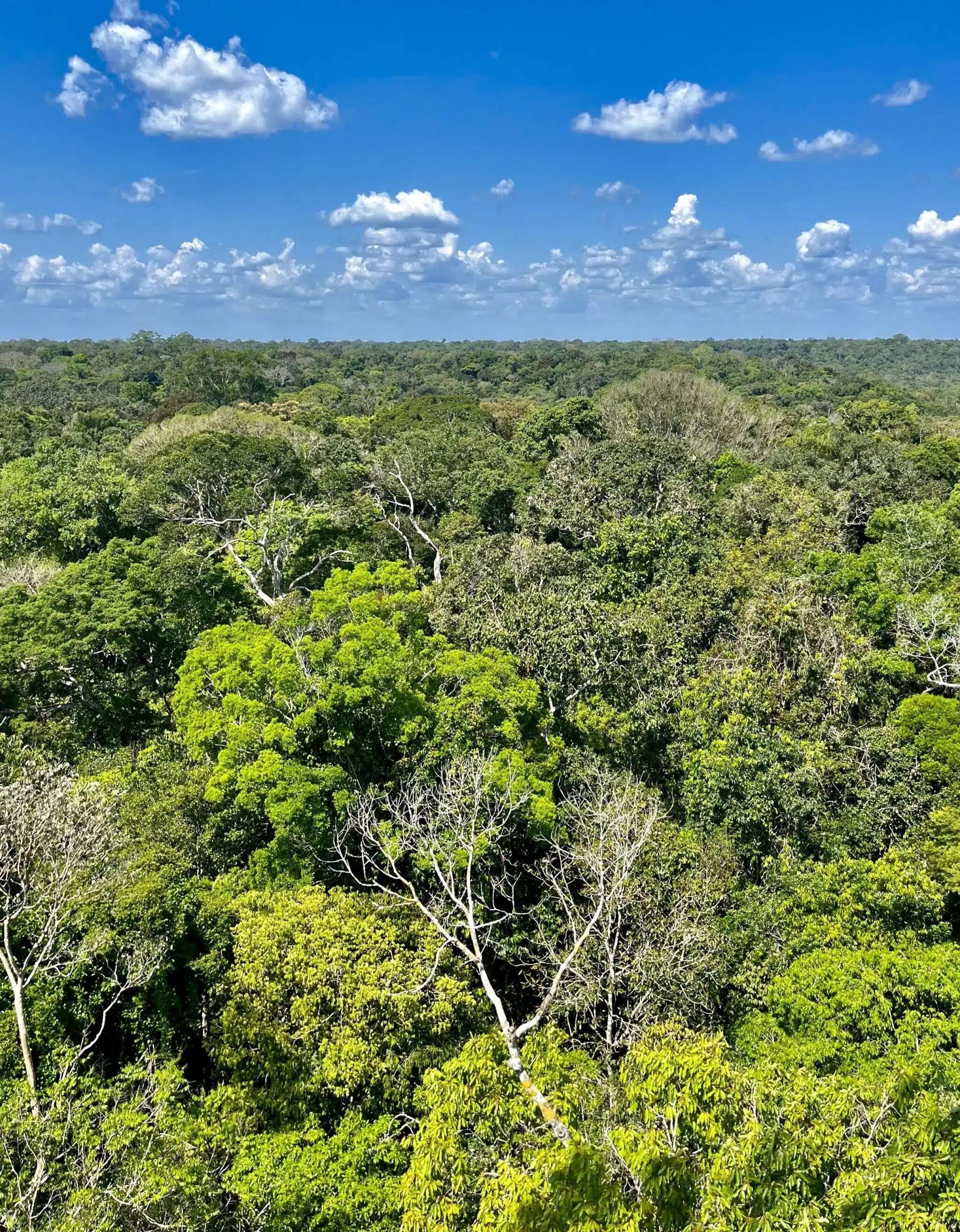
Recent data from Brazil’s National Institute for Space Research (INPE) reveal that deforestation rates have surged again in 2025, with over 4,500 square kilometers cleared thus far. Fragmented territories hinder tree growth and disrupt essential processes like animal movement and seed dispersal critical for forest recovery.
Implications Ahead of COP30
This study emerges just weeks before COP30, the upcoming UN climate conference in Belém, Brazil. These findings could reshape discussions by illustrating the Amazon not only as a climate victim but also as a highly resilient system with significant potential for mitigating climate impacts.
However, as Dr Rebecca Banbury Morgan from the University of Bristol emphasizes, “Because these trees are centuries old, replanting won’t replicate these results quickly. Protecting existing forests is far more effective than restoration.”
Preservation efforts, therefore, are crucial not only for preventing losses but also for maintaining one of the world’s most efficient natural carbon repositories. If this study’s evidence of growth under environmental stress holds, safeguarding the Amazon’s integrity becomes even more critical.
- Categories:
- Science








0 comments
Sign in to Comment