
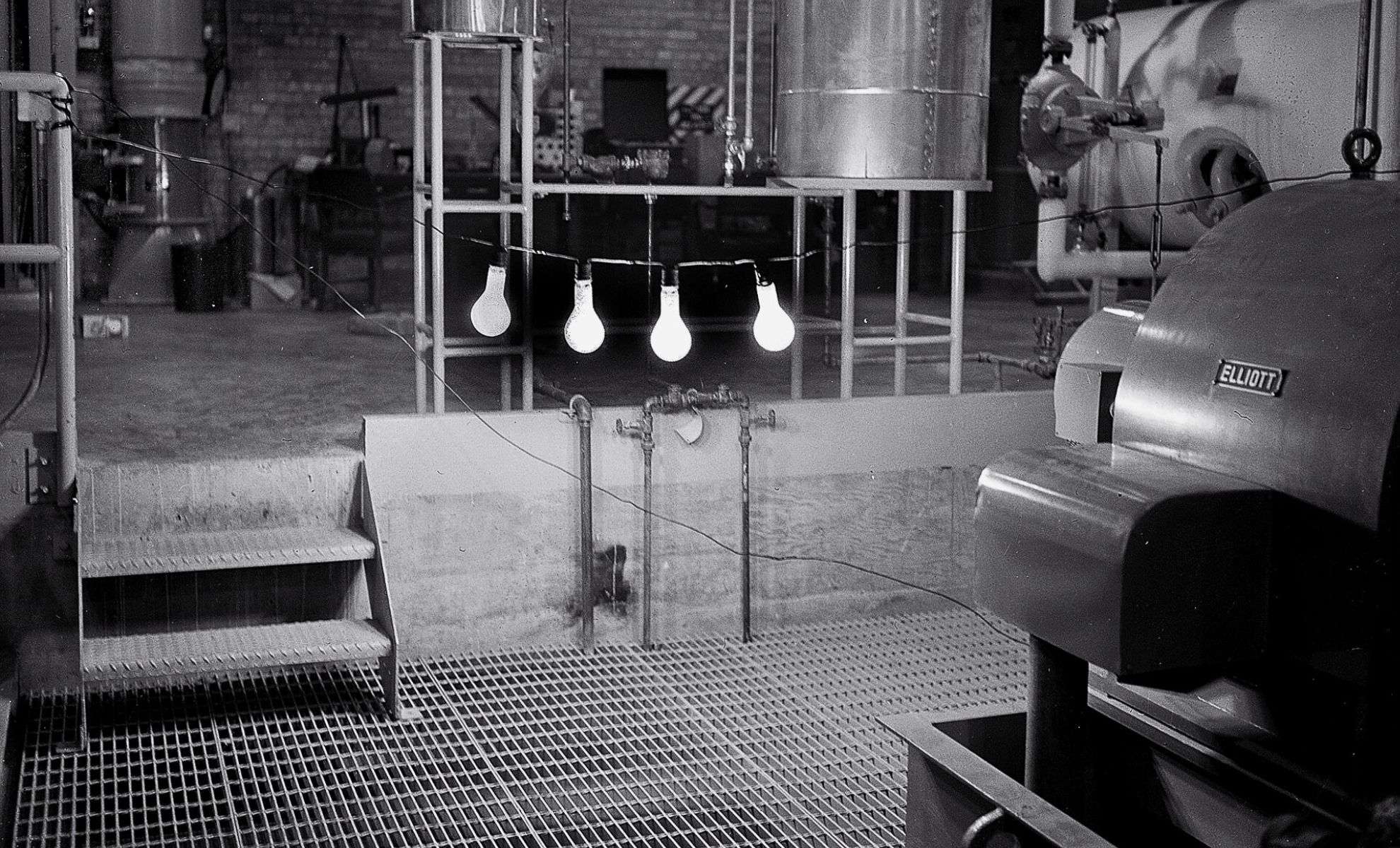
On a chilly December day in 1951, a quartet of standard 200-watt lightbulbs illuminated a small brick building near Arco, Idaho. This modest display marked a groundbreaking scientific milestone—the debut generation of electric power harnessed from nuclear reactions. The event was powered by the Experimental Breeder Reactor-I (EBR-I), a trailblazing installation that played a pivotal role in ushering in the nuclear era.
Situated in the Idaho Desert: The Birthplace of a Reactor
The EBR-I was housed within the Idaho National Reactor Testing Station (now known as the Idaho National Laboratory), a vast complex developed by the U.S. Atomic Energy Commission (AEC) for the development and evaluation of nuclear reactor innovations. Located in the isolated southeast Idaho desert, the site offered the necessary privacy and security for these revolutionary trials.
The EBR-I construction started in 1949 under the leadership of former key members of the Manhattan Project, the secretive WWII effort that created the initial atomic bombs. Notable contributors included Harold Lichtenberger as project head, nuclear physicist Walter Zinn, and reactor design expert Aaron Novick. Their ambitious mission: to validate the concept of breeder reactors, capable of generating more nuclear fuel than consumed, potentially transforming the future of atomic energy.

Breeder Reactors: Unlocking More from Nuclear Fuel
Breeder reactors were devised to address the scarcity of uranium-235, the isotope essential for chain reactions in nuclear fission. Natural uranium mainly consists of about 99% uranium-238, a non-fissionable isotope under normal circumstances. Reactors like EBR-I were engineered to convert uranium-238 into plutonium-239, another fissile material.
This conversion required a series of complex nuclear processes. In EBR-I’s core, uranium-238 absorbed energetic neutrons, becoming neptunium-239, which quickly transformed into plutonium-239. This newly formed plutonium fueled ongoing fission reactions, generating heat and releasing more neutrons to sustain the cycle.
An innovative feature of the reactor was its liquid metal coolant made from a eutectic alloy of sodium (Na) and potassium (K), known as NaK. Selected for its superior heat conduction and low melting point, NaK effectively transferred heat from the reactor core to a secondary heat exchanger. There, heat was converted into steam that powered turbines, ultimately producing electricity.
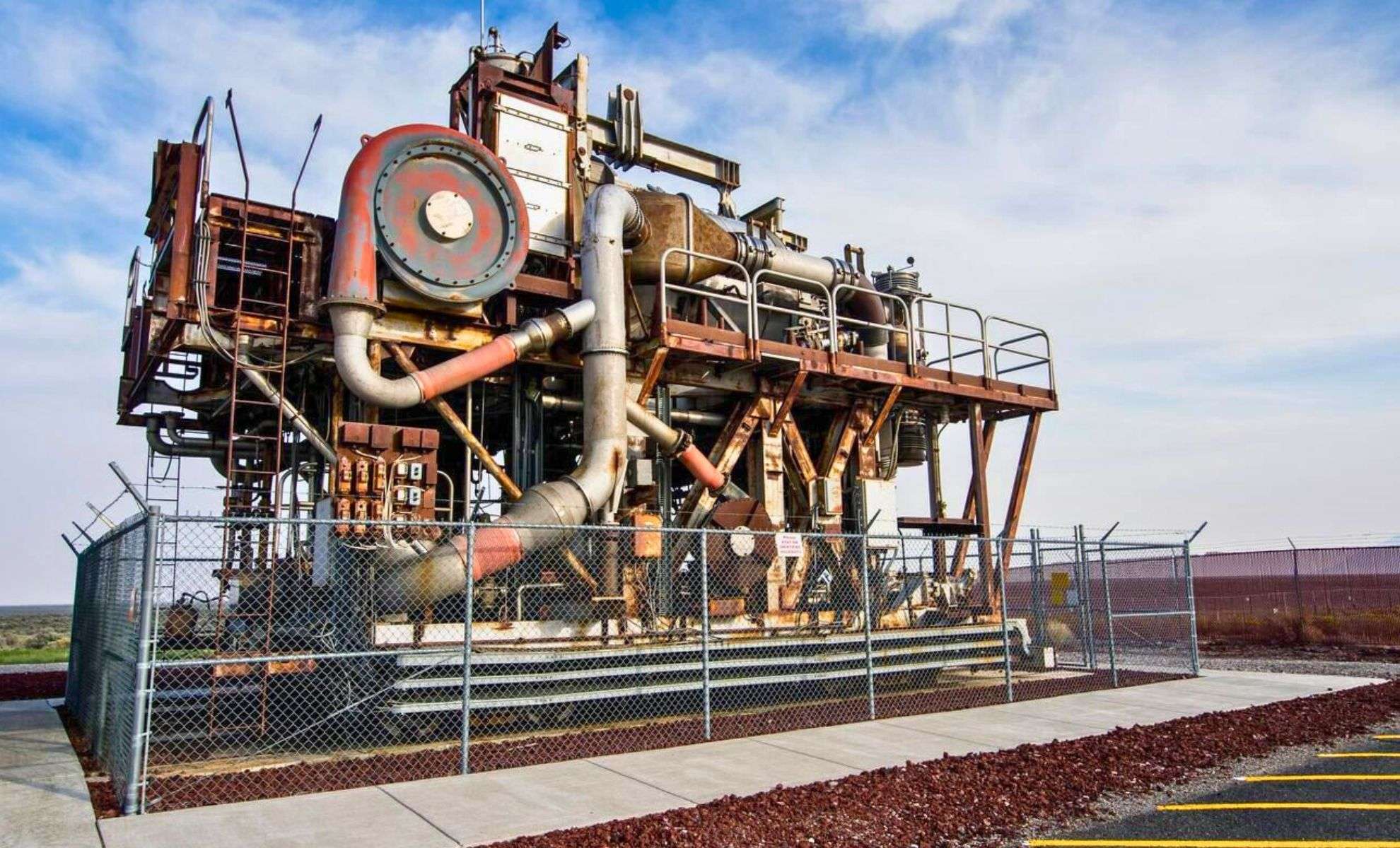
A Historic Spark: December 20, 1951
After years of meticulous planning and experimentation, December 20, 1951, at exactly 1:50 p.m., marked a defining moment. In the enclosed brick facility, Harold Lichtenberger flipped the switch that powered four suspended lightbulbs with electricity generated from the reactor. Present scientists, many seasoned experts, greeted the achievement with quiet, professional acknowledgment rather than fanfare.
“When I turned the switch, I guess I was more interested in how the circuit breakers would function than I was in the significance of the test,” Lichtenberger reflected later. The true triumph for the team lay in confirming the breeder reactor’s core purpose: proving the conversion of uranium-238 into plutonium-239 was effective.
The next day, the EBR-I reached an output of 100 kilowatts, sufficient to energize the building’s electrical needs. This milestone proved nuclear power’s capability to produce usable energy beyond theoretical experiments.
Enduring Impact: EBR-I’s Role in Nuclear Energy Development
The success of EBR-I’s pioneering efforts had profound consequences. By showcasing breeder reactors’ potential, it broadened nuclear energy’s possibilities at a time of rising global energy demand. The reactor’s ability to generate more fissile material than consumed signaled hopes for sustainable nuclear power generations.
In 1953, EBR-I reached another first by becoming the initial reactor to utilize plutonium as fuel. These accomplishments highlighted nuclear technology’s versatility and its many promising applications.
Despite early advances, enthusiasm for breeder reactors diminished during the 1960s. Large uranium discoveries and enhanced enrichment methods reduced immediate needs for breeder technology. Furthermore, concerns over plutonium’s role in weapons proliferation tempered widespread acceptance.
Today, EBR-I stands as a historic monument to scientific innovation. Designated a National Historic Landmark in 1966, it has been preserved as a museum open to visitors eager to witness the original reactor, its instrumentation, and the iconic lightbulbs that symbolized the dawn of nuclear electricity.
- Categories:
- Science








0 comments
Sign in to Comment