
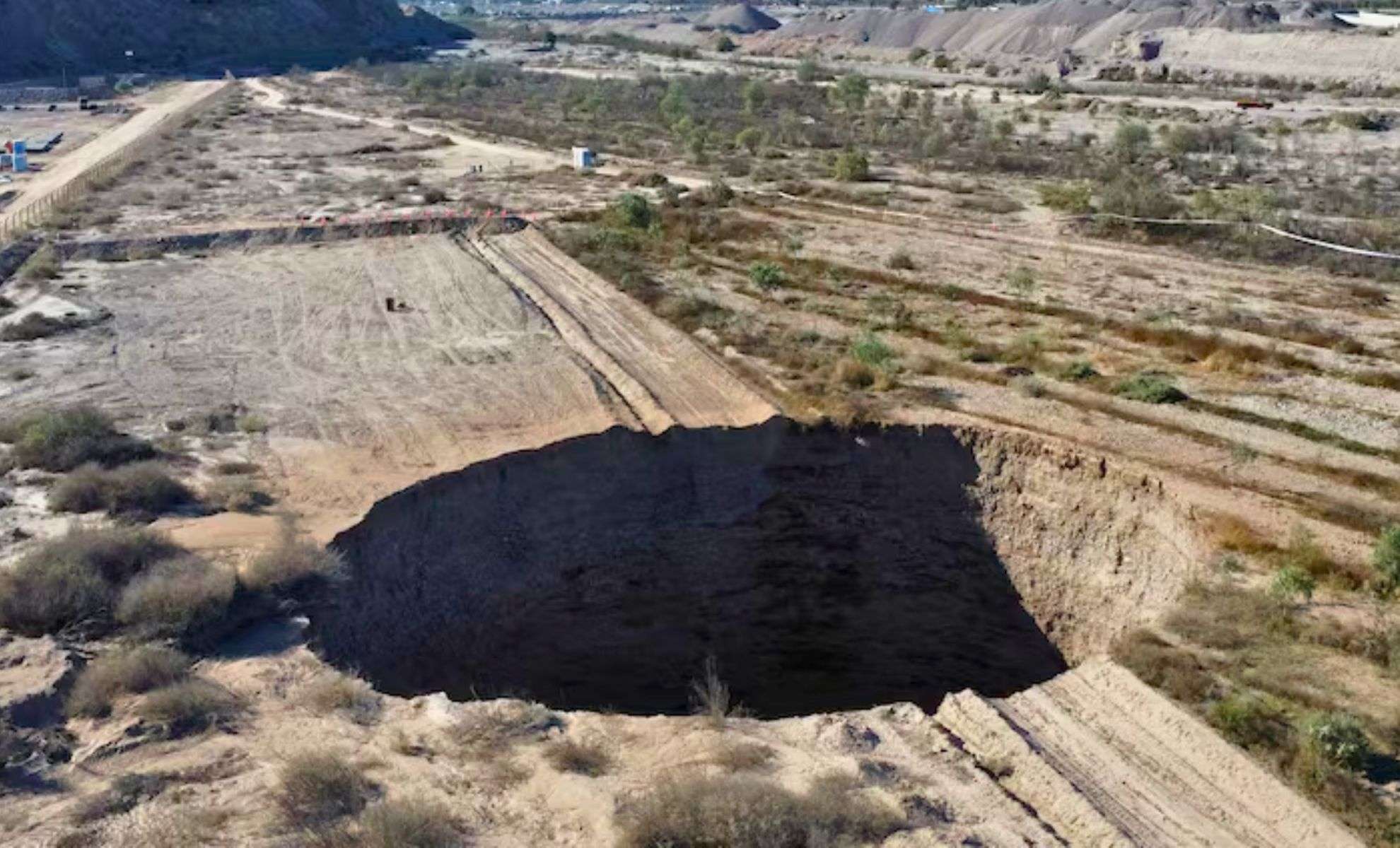
Three years have passed since a vast sinkhole emerged adjacent to a copper mining operation in Tierra Amarilla, Chile. This massive void remains intact, continuing to unsettle the local community. For many residents, the event shattered more than just the ground beneath them—it damaged their trust in oversight and protection. This incident was thoroughly examined in a Reuters investigative story.
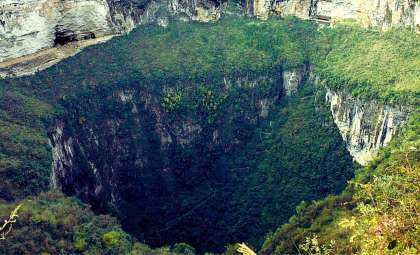
In July 2022, a circular chasm measuring 36 meters across and plunging 200 meters deep suddenly opened in the arid land near the town. While it did not demolish nearby buildings, it formed alarmingly close to residences, a health clinic, and a preschool. The sinkhole has since come to embody broader concerns: unchecked mining activities, diminishing water supplies, and a reactive system that only takes action after calamities strike.
Years Later, Anxiety Remains
At first, many locals mistook the event for seismic activity, as that would have been more comprehensible. Instead, the ground abruptly collapsed in a perfectly round shape by the Alcaparrosa mine, overseen by Minera Ojos del Salado. According to Reuters, the community’s apprehensions persist.

“Ever since the sinkhole occurred … we’ve lived in fear,” said Rudy Alfaro, whose home lies 800 meters from the site. “A health center and preschool are nearby too,” she added. Her words echo the mood across the town.
Signs of stress have emerged among children, and some parents hesitate even to repaint their houses, much less undertake renovations. With every tremor shaking this seismically active zone, dust billows from the crater, rekindling fears.
Though no fatalities resulted, the sinkhole had a profound effect by causing stagnation in the community. Development investments halted, plans for the future stalled, and residents began viewing the ground beneath them with renewed caution.
Mining, Not Earthquakes, to Blame
Investigations revealed that natural causes were not behind the collapse. Instead, extensive underground mining drained a crucial aquifer that had been sustaining rock stability beneath the surface. Once this water source depleted, the overlying earth could no longer support itself.
This event represented a convergence of factors in an already fragile environment. The Atacama Desert ranks among the planet's most arid climates, where limited water availability is a persistent hazard. In 2025, a court ruled the aquifer damage irreversible and mandated that Lundin Mining (parent to Minera Ojos del Salado) begin efforts to fill the sinkhole and safeguard local water reserves.
Rodrigo Saez, a regional water resources official, emphasized that the sinkhole exacerbated an already precarious hydrological state. He noted that restoring equilibrium will require extensive monitoring and infrastructure upgrades spanning decades.
Delayed Responses Deepened the Crisis
Residents of Tierra Amarilla actively voiced concerns after the initial collapse. Although Chile’s geological authorities halted mining at Alcaparrosa, the sinkhole’s expansion persisted in the ensuing months. The community’s calls for action went largely unanswered.
Meaningful intervention came only years later. As Euronews reported, it was not until 2025 that legal authorities formally recognized the harm and mandated restorative measures. This postponement reinforced residents' feelings that economic interests outweighed their safety.
With community trust diminished, grassroots organizations and environmental advocates now push for stricter regulations: protective zones separating industrial operations from neighborhoods, expedited compensation for affected families, and enhanced regulatory oversight. Whether these efforts will bring lasting reform remains uncertain, but in Tierra Amarilla, the process of healing and recovery feels far from complete.
- Categories:
- News








0 comments
Sign in to Comment