
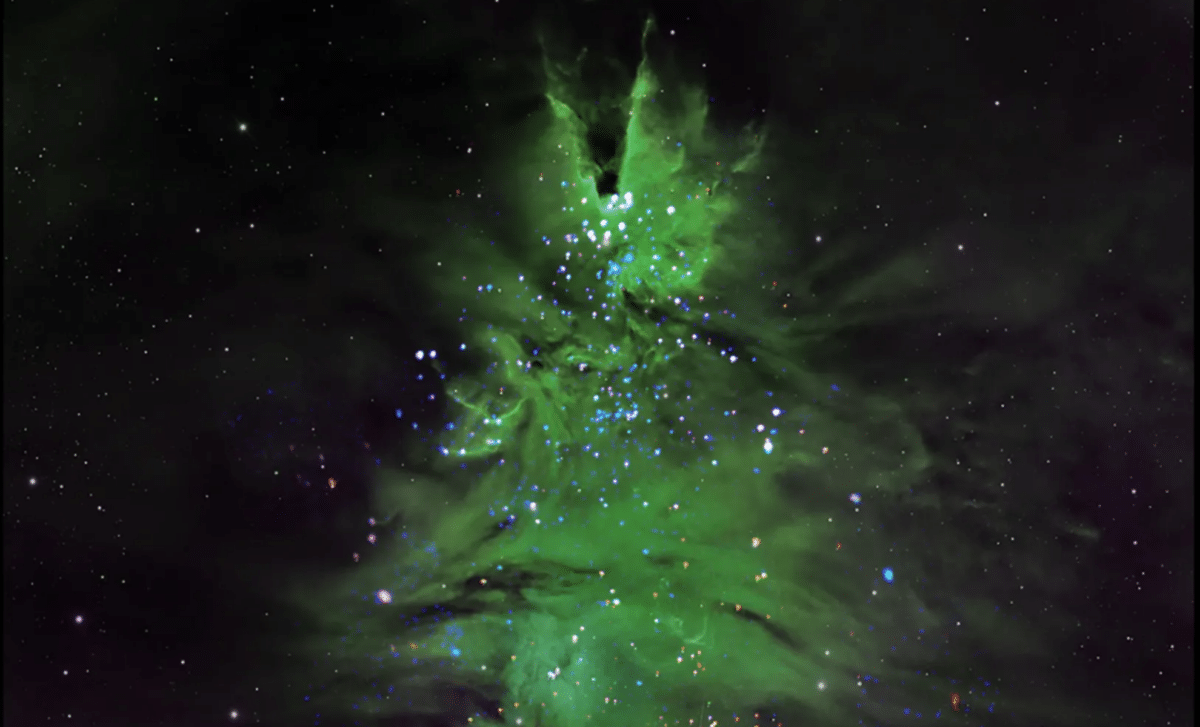
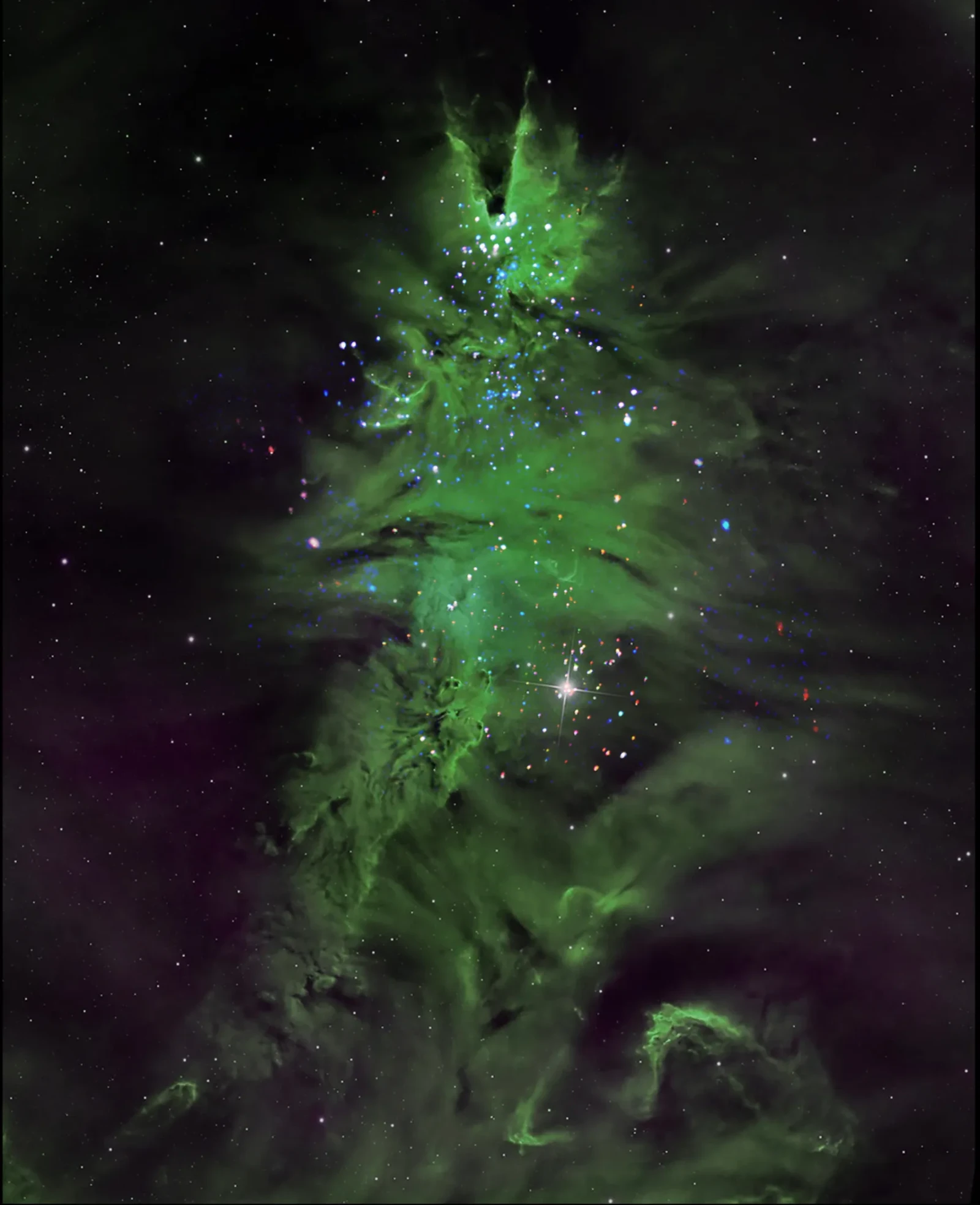
This December, skywatchers can enjoy the dazzling Christmas Tree Cluster (NGC 2264), a captivating group of young stars arranged in the shape of a festive evergreen. Situated between Orion and Gemini, this celestial formation adds holiday sparkle to the night sky.
Found in the constellation Monoceros, this cluster serves as a critical nursery for newly formed stars. Visible to the unaided eye under dark skies, the cluster and its associated nebulae showcase stellar birth processes and appear as a triangular pattern resembling a Christmas tree, providing an enchanting sight during the holiday season.
A Festive Celestial Display
Known as NGC 2264, the Christmas Tree Cluster is an open star cluster linked with active star formation in Monoceros. NASA explains that the cluster’s stars emit blue-white light, while data from the National Science Foundation’s WIYN Observatory reveal green hues reminiscent of pine needles.

Located roughly 6.5° south of Gamma (γ) Geminorum in Gemini and 11.5° east of Orion’s Betelgeuse, the cluster is best viewed between 9 and 10 P.M. local time. At this time, it climbs to about 40° above the horizon. The brightest star, 15 Monocerotis, sits at the base of this stellar triangle.
Discovering the Cone Nebula
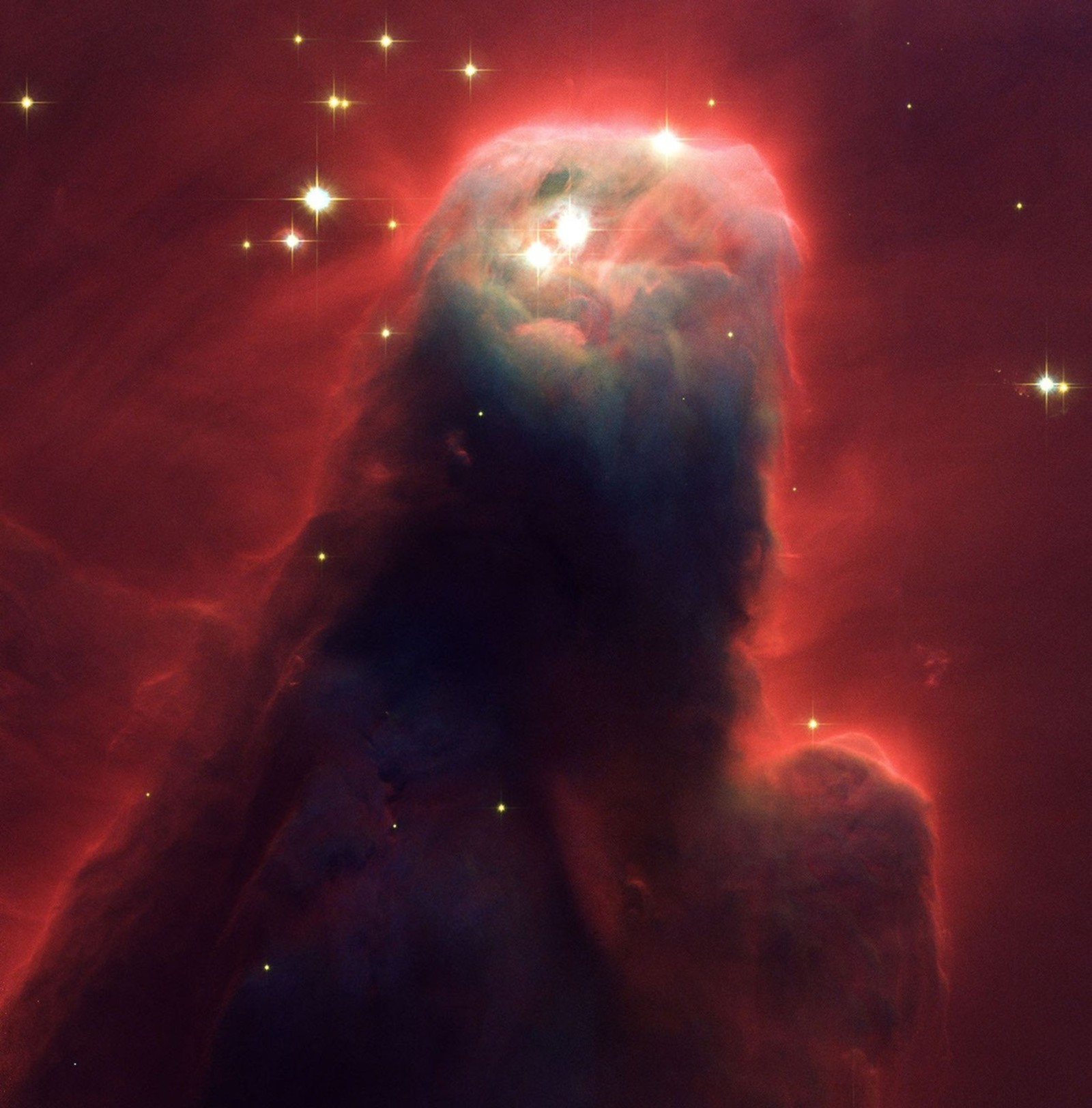
The Christmas Tree Cluster gains added fascination from the nearby Cone Nebula, a dense, dark region of gas and dust near the cluster’s apex. This nebula marks an area where new stars are actively forming and can be observed through telescopes with an aperture of at least 12 inches.
As highlighted in Astronomy Magazine, larger amateur telescopes unveil the faint glow of the Cone Nebula, revealing the complex star-forming activity in this striking celestial neighborhood.
When to Watch on Christmas Night
For ideal observation on December 25, the Christmas Tree Cluster peaks from 9 to 10 P.M.. At this time, the cluster is high enough to be seen with the naked eye or through binoculars and telescopes, revealing its distinctive triangular shape.
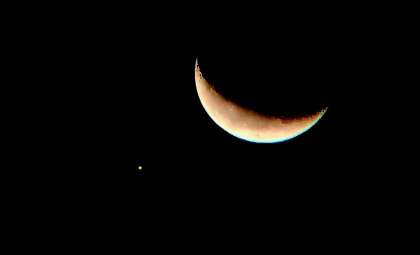
With the moon in a 33% waxing crescent phase, the sky remains dark for optimal stargazing. The moon rises at 10:53 A.M. and sets at 11:23 P.M., leaving the prime evening hours open for celestial viewing.
- Categories:
- News




0 comments
Sign in to Comment