
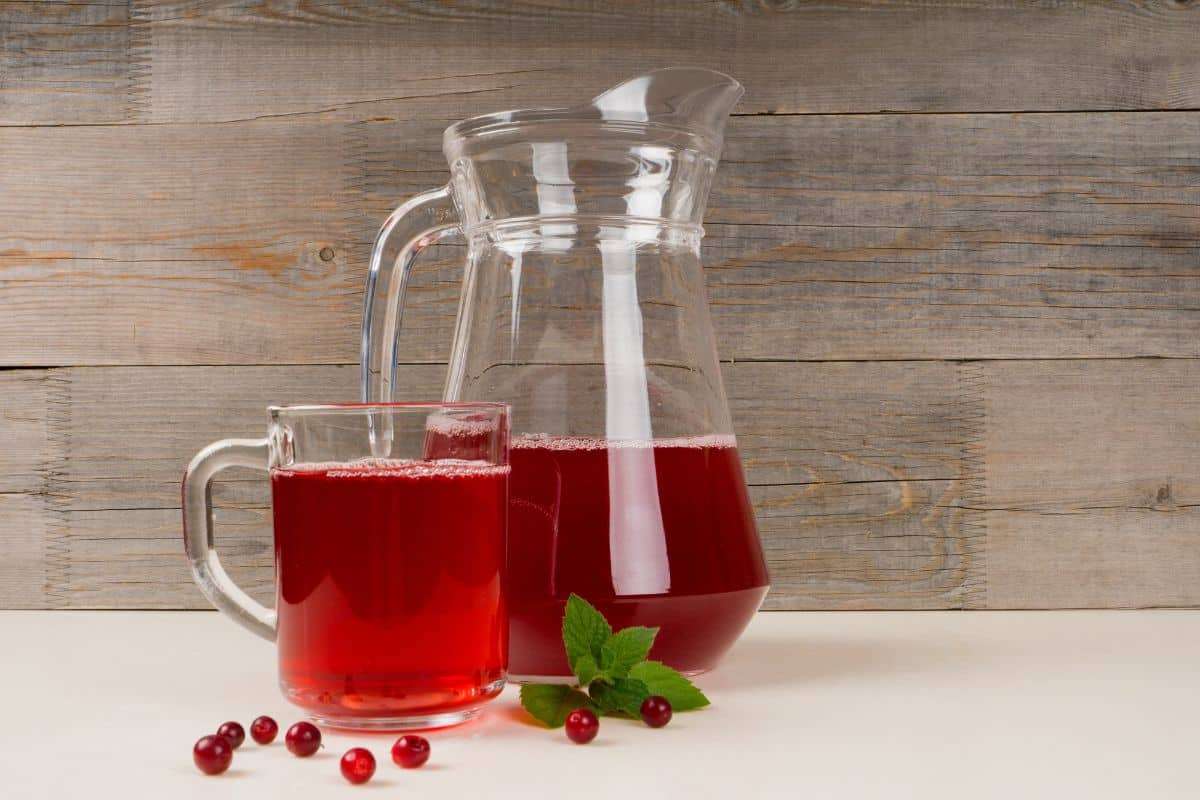
Cranberry juice is well-known for its distinctive tang and its role in urinary tract health, but emerging science points to an exciting new benefit: its potential to promote healthier arteries.
Research indicates that drinking cranberry juice regularly might help support cardiovascular function by reducing the buildup of arterial plaque and boosting circulation. Let’s explore the scientific insights and advantages of adding cranberry juice to your health regimen.
How Arteries Function and Common Health Concerns
Arteries are essential vessels that carry oxygen-rich blood from the heart throughout the body. Over time, they can develop complications like atherosclerosis, where the arterial walls become stiff and clogged with deposits called plaque. This plaque is made up of cholesterol, fatty substances, calcium, and other materials. As plaque accumulates, arteries lose their flexibility and narrow, which limits blood flow and increases the risk of serious cardiovascular events such as heart attacks and strokes.
Dietary strategies often emphasize foods that enhance heart health and reduce plaque. Interestingly, cranberry juice is gaining attention as a beneficial option in this area.

The Unexpected Heart Benefits of Cranberry Juice
Growing evidence reveals that cranberry juice provides more than just hydration and vitamin C. According to a study featured in the Journal of Nutrition, researchers evaluated how consuming cranberry juice influences heart health indicators.
Participants consumed two servings of 240 milliliters of cranberry juice daily over eight weeks. The results showed notable decreases in diastolic blood pressure and triglycerides among those drinking the juice, whereas those on a placebo did not experience these changes.
Anthocyanins: The Powerful Compounds Behind the Benefits
The heart-protective qualities of cranberry juice largely stem from its rich content of anthocyanins, a potent group of antioxidants abundant in cranberries. These antioxidants play a crucial role in fighting oxidative damage that harms arterial walls and encourages plaque formation.
Anthocyanins are believed to prevent plaque accumulation in arteries, preserving their flexibility and function. WebMD explains that anthocyanins contribute to cranberries' classification as a functional food, which means they offer health advantages beyond basic nourishment. Foods like cranberries can be vital in preventing diseases and maintaining health.
Ongoing studies into how well the body absorbs cranberry anthocyanins have shown promising outcomes. While researchers continue to pinpoint optimal amounts for health effects, current data imply that regular cranberry juice intake can support cardiovascular wellness.
How Cranberry Variety Influences Nutritional Value
One lesser-known aspect affecting cranberry juice’s effectiveness is the specific cranberry cultivar used. Different varieties carry varying levels of antioxidants and anthocyanins.
A 2022 report published by the National Library of Medicine analyzed anthocyanin levels across popular cranberry types. The study found cultivars like Woolman and Le Munyon possess particularly high amounts of these beneficial substances. This suggests that the heart health benefits of cranberry juice may depend on the berry variety employed.
Though consumers may not always know which cultivar is in their juice, selecting reputable brands that use pure cranberry juice can help maximize the benefits.
Additional Scientific Support for Cranberry Juice and Heart Health
Beyond the 2015 findings, recent research continues to endorse cranberry juice's cardiovascular advantages. A 2024 review in Nutrients underscored the fruit’s overall positive impact on heart health, suggesting cranberries can be protective when part of a balanced diet.
While cranberry juice alone isn’t a substitute for a heart-healthy lifestyle, it can complement other preventive efforts. Incorporating one or two servings of high-quality cranberry juice daily may reduce arterial plaque and contribute to better blood pressure control.
When picking cranberry juice, choose options with little to no added sugars to avoid negating the benefits. Pure or low-sugar juices are best for supporting arterial health.
- Categories:
- Health












0 comments
Sign in to Comment