
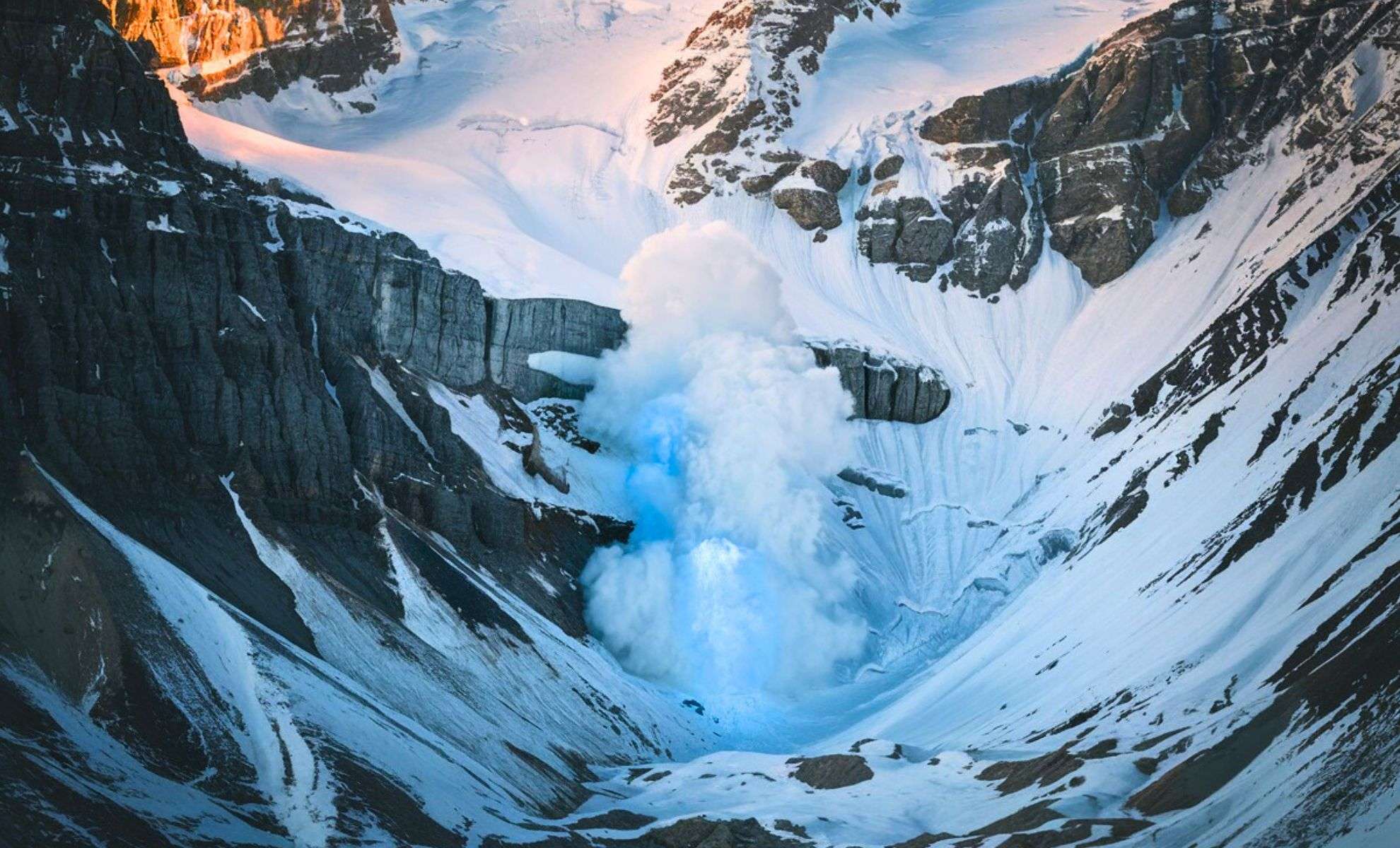
On October 27, 2024, an unusual natural spectacle was observed on Mount Xiannairi in Sichuan, southwestern China. Local astrophotographer Shengyu Li was photographing the night sky when an avalanche sparked a striking blue illumination, capturing attention worldwide and inspiring various scientific discussions about its cause.
Capturing a Unique Ice Phenomenon
Astrophotographer Shengyu Li was stationed on Mount Xiannairi, aiming to document star trails, when an avalanche unexpectedly took place nearby. The event produced a vivid blue radiance that seemed to glow amid the snow, giving a surreal atmosphere to the scene. Initially a typical avalanche, the event quickly became notable due to the unexpected glowing light caught on camera.
Li’s photographs revealed a clear and vibrant blue shine, which he promptly shared online, sparking curiosity and debate. While similar occurrences have been occasionally noted in history, this event is the first detailed visual documentation of a blue light emerging during an avalanche.

Exploring Possible Causes of the Enigmatic Blue Light
Several scientific theories have emerged to explain the origins of this intriguing blue light, all focusing on physical processes within ice and snow.
Triboluminescence: Emission from Ice Fracturing
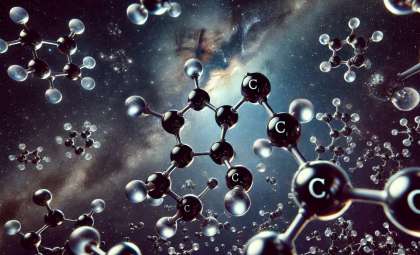
Triboluminescence is a leading idea behind the glowing effect seen during the avalanche. This phenomenon involves the release of light when materials like ice experience mechanical stress through breaking or friction. The disruption of chemical bonds generates photons, resulting in visible light.
During an avalanche, rapid movements and collisions cause snow and ice to crack and rub against each other, potentially producing enough energy to emit light. Laboratory experiments have confirmed triboluminescence in ice under pressure, although witnessing this on such a grand scale in nature is unprecedented.
This effect is also known in other substances such as sugar crystals or quartz during mechanical stress, underscoring the plausibility of this explanation.
Electric Charge and Field Effects in Ice
Another possible cause involves electrical phenomena linked to charged particles within the ice. Ice crystals may contain unevenly distributed positive and negative ions, creating localized electric fields.
As the avalanche fractures the ice, these charges could separate across cracks, inducing electrical discharges similar to small lightning-like events known as corona discharges or dielectric breakdowns. The energy released would produce short-lived blue flashes, resembling electrical sparks observed in thunderstorms.
The avalanche’s force could trigger such discharges by creating fractures that serve as conductive paths for charge movement, explaining the mysterious illumination.
How Avalanche Mechanics Influence the Phenomenon
Avalanches involve sudden downward movement of large quantities of snow, ice, and debris, producing intense physical forces. Pressure buildup causes the ice layers to break and particles to collide violently, generating shear stresses and kinetic energy.
These extreme conditions foster complex thermodynamic and electrical interactions, which might be responsible for phenomena like triboluminescence or electric charge separations seen as the blue glow in Shengyu Li’s recording.
Implications for Scientific Research
The observation of blue illumination during an avalanche opens new avenues for studying the physical characteristics of snow and ice and the interaction of electrical fields within them. This unprecedented footage offers valuable data for advancing knowledge in material science and physics, especially regarding light emission triggered by mechanical and electrical stress in natural environments.





0 comments
Sign in to Comment